Notice what already belongs to the routine
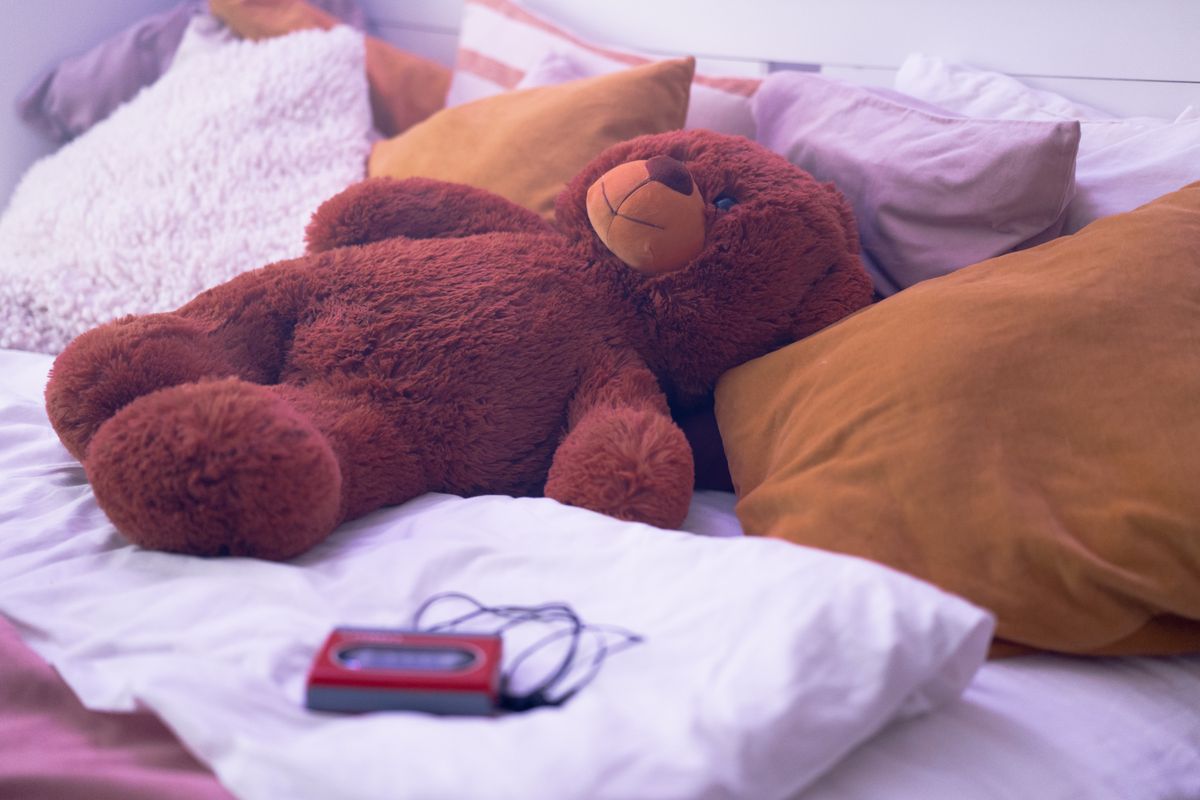
The object a child reaches for every evening may be a worn book, a small blanket or a toy with an unremarkable history to everyone else. It is easy to overlook while deciding which possessions are valuable enough to travel separately.
Watch the routines before packing. Which mug is used at breakfast? Which game comes out when there is nothing planned? What does a child take to another bedroom or on a short visit? Those habits can reveal what will be missed more clearly than asking for a list of favourite possessions.
Adults have familiar objects too. A modest item connected to an existing habit may help a temporary room feel usable: a notebook, a small photograph, or the kitchen utensil used every day. Leave room for these without turning familiarity into a new shopping category.
Pack with access in mind
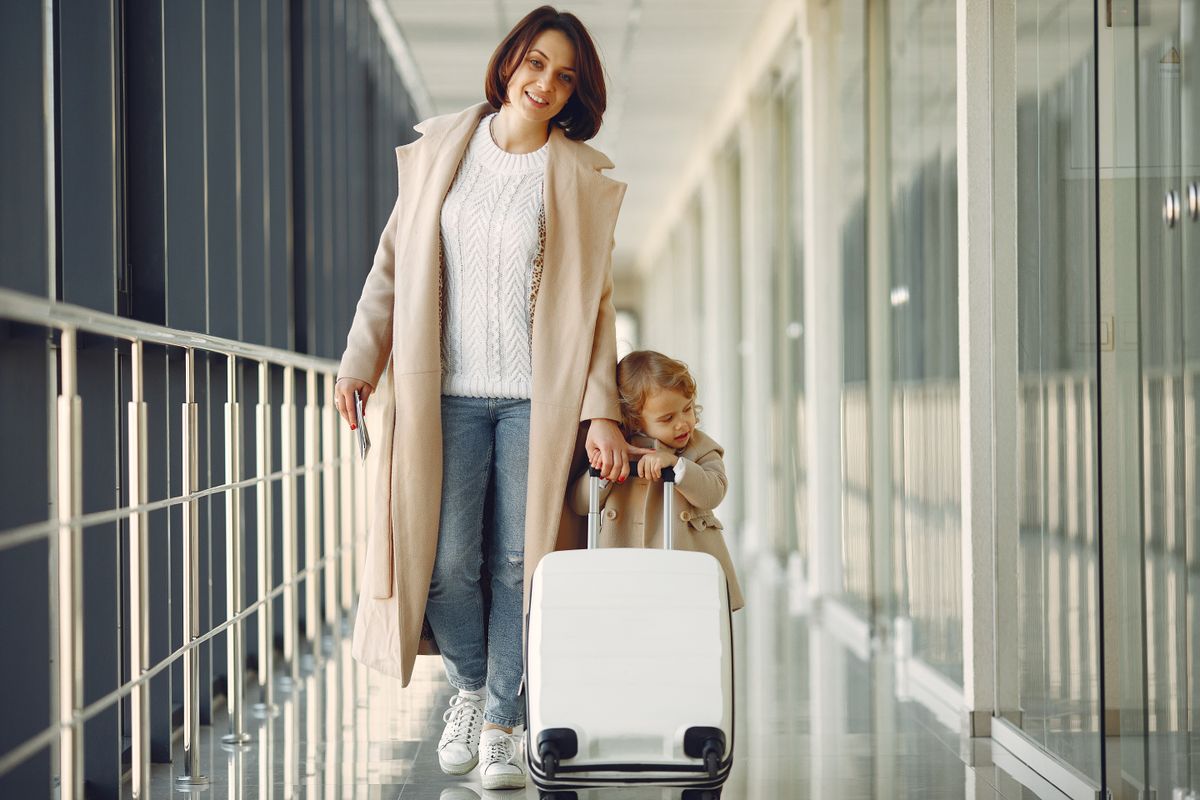
If an object matters during the journey or first nights, do not put it at the bottom of a shipment box. Agree where it travels and who checks that it has been returned to the bag before leaving a vehicle or temporary room.
Think about the cost of losing something irreplaceable. Sometimes a copy of a photograph or a less fragile related item is the better travelling choice. That decision should be made with the person who values it, not by quietly substituting something an adult considers equivalent.
For a large object that cannot come, discuss what part of it matters. A photograph, a small piece of a collection or time spent using it before departure may offer something worth keeping. None of these has to erase disappointment about leaving the original behind.
Put it into use
Once the family arrives, give familiar belongings an ordinary place rather than saving them for when the home is finished. Read the old bedtime story in the temporary room. Use the usual game during a quiet afternoon. The object does not have to sit in an identical setting to remain part of family life.
New belongings and new interests will develop at their own pace. There is no need to make a child replace an old favourite to show that they are settling in. A home can hold something from the previous place while making room for the next chapter of everyday life.