Watch how the space is used
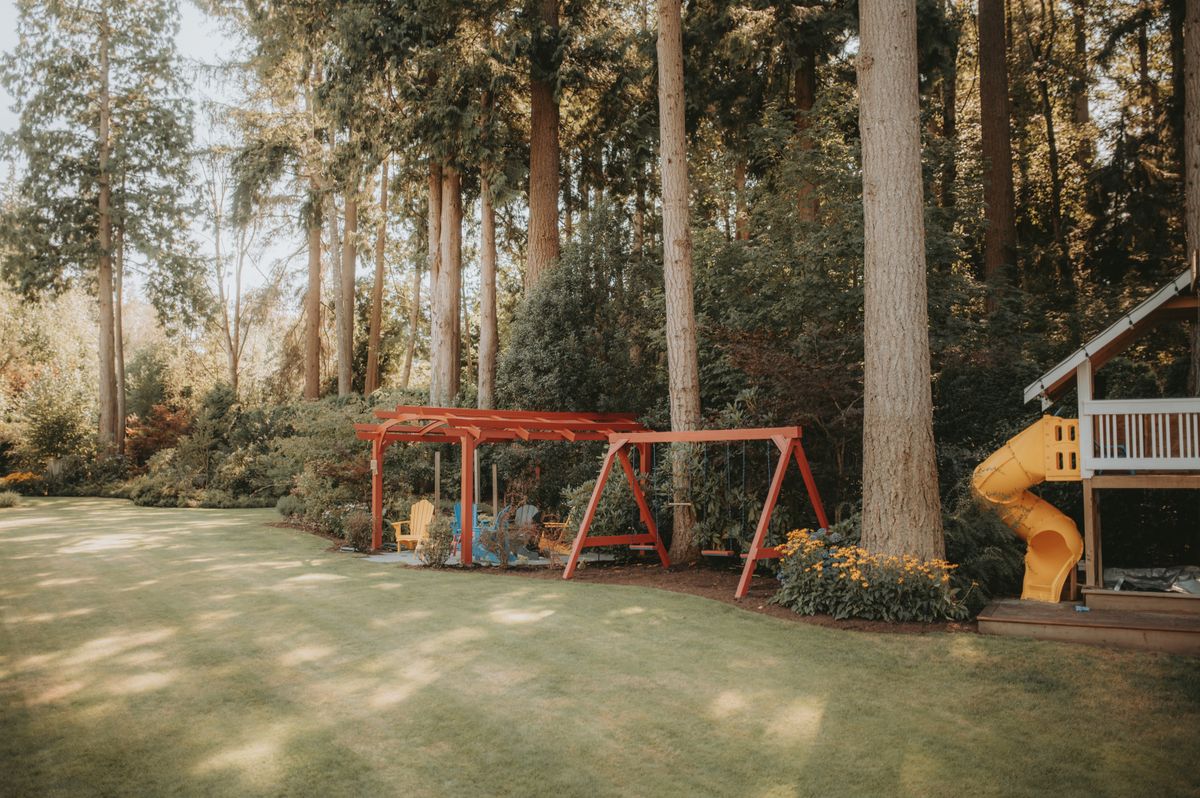
On a first visit, pause before deciding that a playground will become the family's regular place. Look at the equipment, its intended users and the way different activities share the space. A lively climbing area may suit one child while another wants a quieter place to explore with an adult nearby.
Read posted rules and age guidance, and supervise according to the child's needs and the setting. Notice any damaged equipment or other obvious problem and choose a different area if necessary. Report concerns to the operator using the available contact information rather than assuming another visitor has already done so.
A useful playground is not necessarily the largest. A smaller site where the adult can keep track of siblings may work better than one spread across several levels. Consider the actual children who will use it rather than selecting by the photograph that looks most exciting.
Include the adult's part of the visit
Find the entrance and exit, places to stand or sit while supervising, and any nearby facilities you may need. Check whether toilets or other facilities are open at the time you visit; a symbol on a map does not establish access on a particular afternoon.
Look at shade, shelter and the surfaces you will cross with bags or a stroller. Weather can change how pleasant or usable the place feels. You do not need a playground that works in every condition, but it helps to know when another option would be better.
Try it during your likely visiting time
A playground can feel very different before and after school. Return at the time that would fit your routine and see whether the level of activity suits the children. Notice whether the journey home remains manageable when they are tired.
Keep the first visits short enough to finish comfortably. If the place is a good fit, there will be another opportunity to use the equipment that was missed. An easy return visit can be more valuable than a long first visit that ends with an exhausted journey home.
Let repetition do some of the work
Going back to the same place allows children to become familiar with the space and may create opportunities to recognise other families. Friendship is not guaranteed, and it need not be the purpose of every visit. Familiar surroundings can be useful in their own right.
Ask about a specific part afterwards: which equipment they liked, where they wanted more time or what was difficult. Combine those observations with the adult's experience of the route and facilities. The right regular playground is the one your family can realistically enjoy using again.