Give the conversation an object
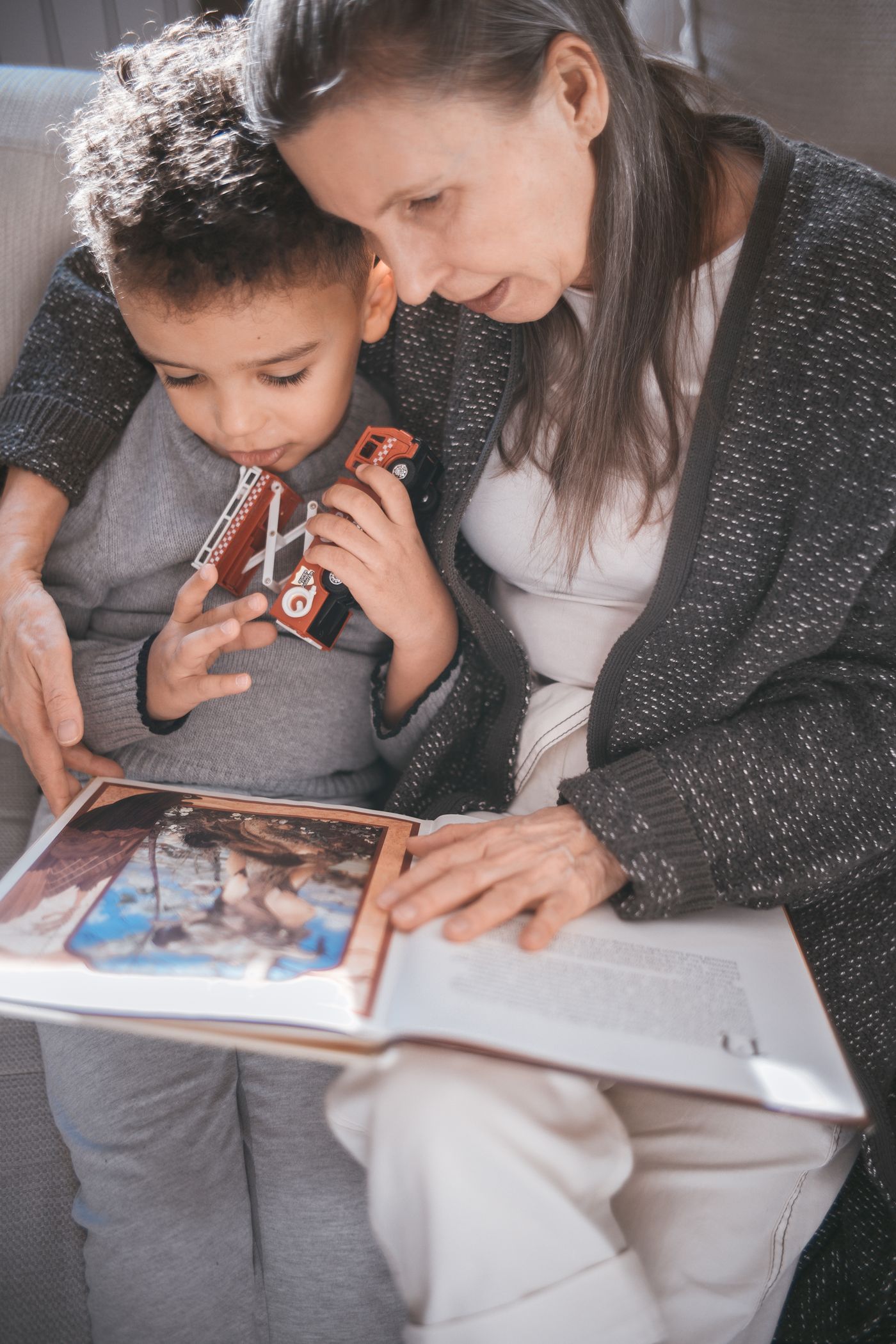
“What did you do today?” can be a difficult opening across a screen, especially when a child is tired and the grandparent has never seen the school being described. A shared object gives both sides somewhere to begin. It might be the same picture book, a drawing sent in advance, or a model the child is building.
Choose something the grandparent enjoys too. Someone who gardens could compare what is growing on each windowsill. A keen cook might explain one part of a family recipe. The activity is more likely to continue when it belongs to both people, rather than becoming an assignment for the older relative.
Make distance manageable
Keep the time-zone calculation with the adults. Offer two realistic calling windows and check whether seasonal clock changes alter them. A grandparent may have commitments or need help with the technology; living far away does not make them permanently available.
Send a little context before the call when useful. A photograph of the completed model or the name of a new teacher can prevent the first few minutes from becoming a guessing game. Ask before sharing images beyond the family conversation, particularly if other children appear.
Let the relationship change with age
A toddler may show a toy and leave. A school-age child may enjoy a repeated joke or a short game. A teenager might prefer an occasional message about a shared interest. These are different forms of contact, not necessarily evidence that one relationship matters less.
Help with the arrangement without directing every response. Give children permission to end politely, and resist correcting the grandparent's questions in front of everyone unless something important needs addressing. Discuss adjustments privately afterwards.
Where a shared spoken language is limited, photographs, drawings and demonstrations can still support interaction. Adults can help with a word while keeping the exchange between the grandparent and child. Neither person needs to be fluent in a new language for their interest to be visible.
Keep one small thread between calls: a plant's next leaf, the following chapter, or a question about an old family photograph. The next conversation then begins with something already shared, instead of asking everyone to create closeness from a blank screen.