Establish the route and the animal's needs
A pet's move should be considered as soon as the family is seriously planning to relocate. The relevant requirements depend on the animal, origin, destination and sometimes the route. An account from somebody who moved last year can suggest questions, but it cannot confirm what applies to your journey now.
Consult the destination's official animal-entry information and the relevant authority in the departure country. Speak to a veterinarian familiar with the process early. For example, the US Department of Agriculture's pet-travel guidance directs owners leaving the United States to contact an accredited veterinarian as soon as travel is planned. The appropriate professional and procedure elsewhere may differ.
Explain the proposed dates, transit points and how the pet will travel. If the route is not settled, identify which alternatives need checking. Do not book the family's journey on the assumption that the pet can automatically use the same service.
Build a sequence from verified requirements
Ask the responsible sources what documents, identification and health-related steps apply, and when each needs to happen. Some steps depend on earlier ones, while others have a limited validity period. Record the exact source and date of the information alongside the plan.
Have the veterinarian explain the animal-specific health questions. This is especially important where age, existing conditions or the nature of the journey may affect the plan. A general moving checklist is not a substitute for advice about whether a particular pet is fit to travel or what care it needs.
Keep required records together and check names, identification details and dates before the travel period. Ask which documents must accompany the animal and in what form. Avoid assuming that a photograph on a phone is sufficient because it has worked for an unrelated family document.
Confirm the transport arrangements separately
A country may permit entry while a particular carrier has different conditions for transporting the animal. Check the carrier's current rules for the exact service, including booking availability, container requirements, handover arrangements and any limits relevant to the pet. Obtain confirmation rather than relying on a general description of the airline or route.
Ask what happens if a connection, departure time or flight changes. Who contacts whom? Where would the pet be cared for during a disruption? Keep the relevant contacts accessible to the adults involved in the move.
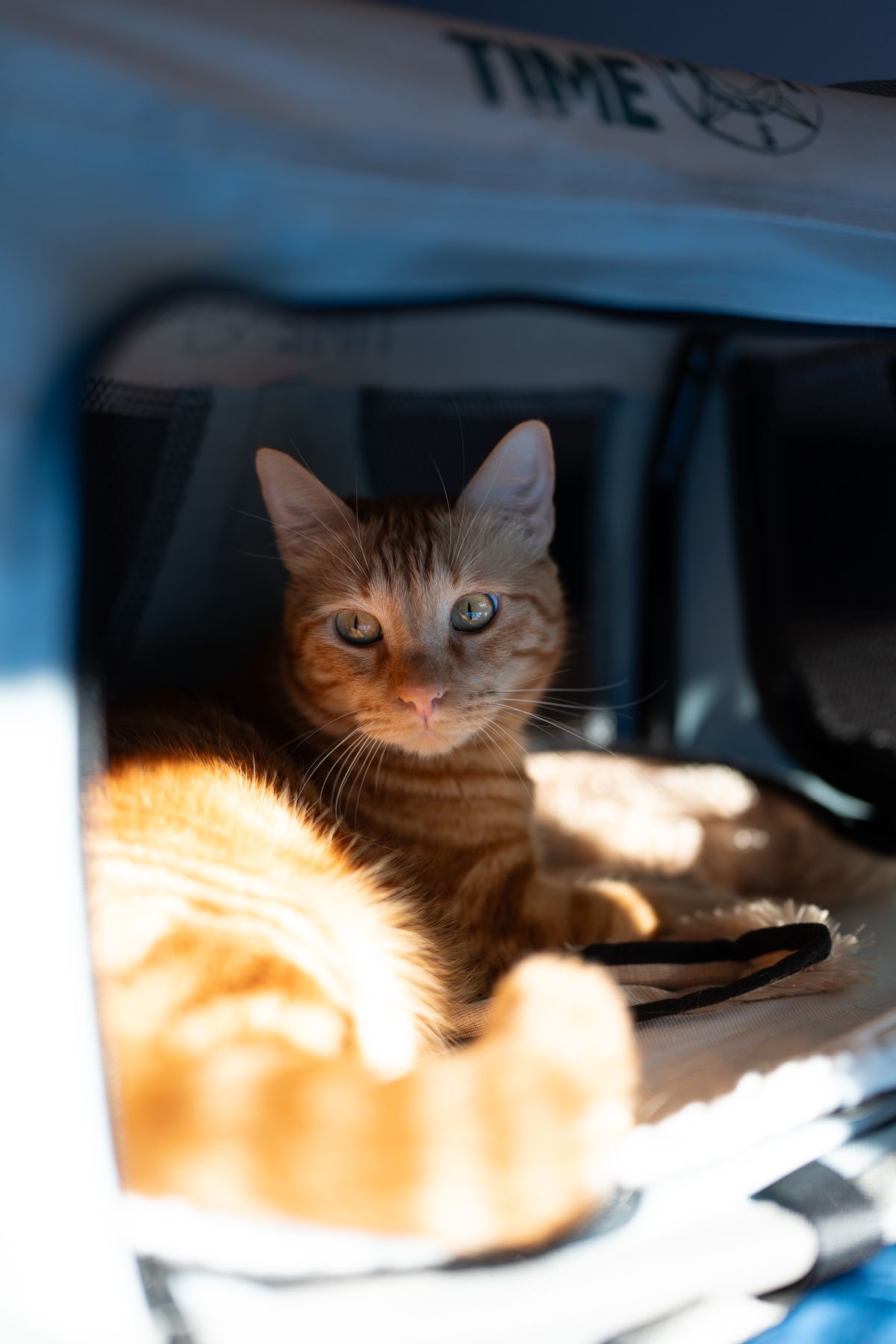
Introduce any carrier or crate according to suitable veterinary or qualified handling advice, with time before departure. Do not make the container's first appearance part of a rushed moving morning. Avoid improvising medication or sedation; any question about these belongs with the veterinarian and the carrier's requirements.
Plan the days around the journey
Confirm that both temporary and permanent accommodation allow the particular pet, and clarify any conditions in writing. Arrange food, necessary supplies and a place for the animal that will not be repeatedly disturbed by movers. The adults should know who is responsible while doors are open and belongings are being carried.
Give children an accurate, age-appropriate account of where the pet will be. If the animal travels separately, explain the expected sequence without promising an exact reunion time that depends on several other steps.
Before departure, identify how you will obtain veterinary care at the destination if needed and keep relevant medical records accessible. Check whether a future return journey requires a different process. The family can then give the pet's arrival its own attention instead of treating it as one more suitcase to collect.