Let the project connect you to something specific
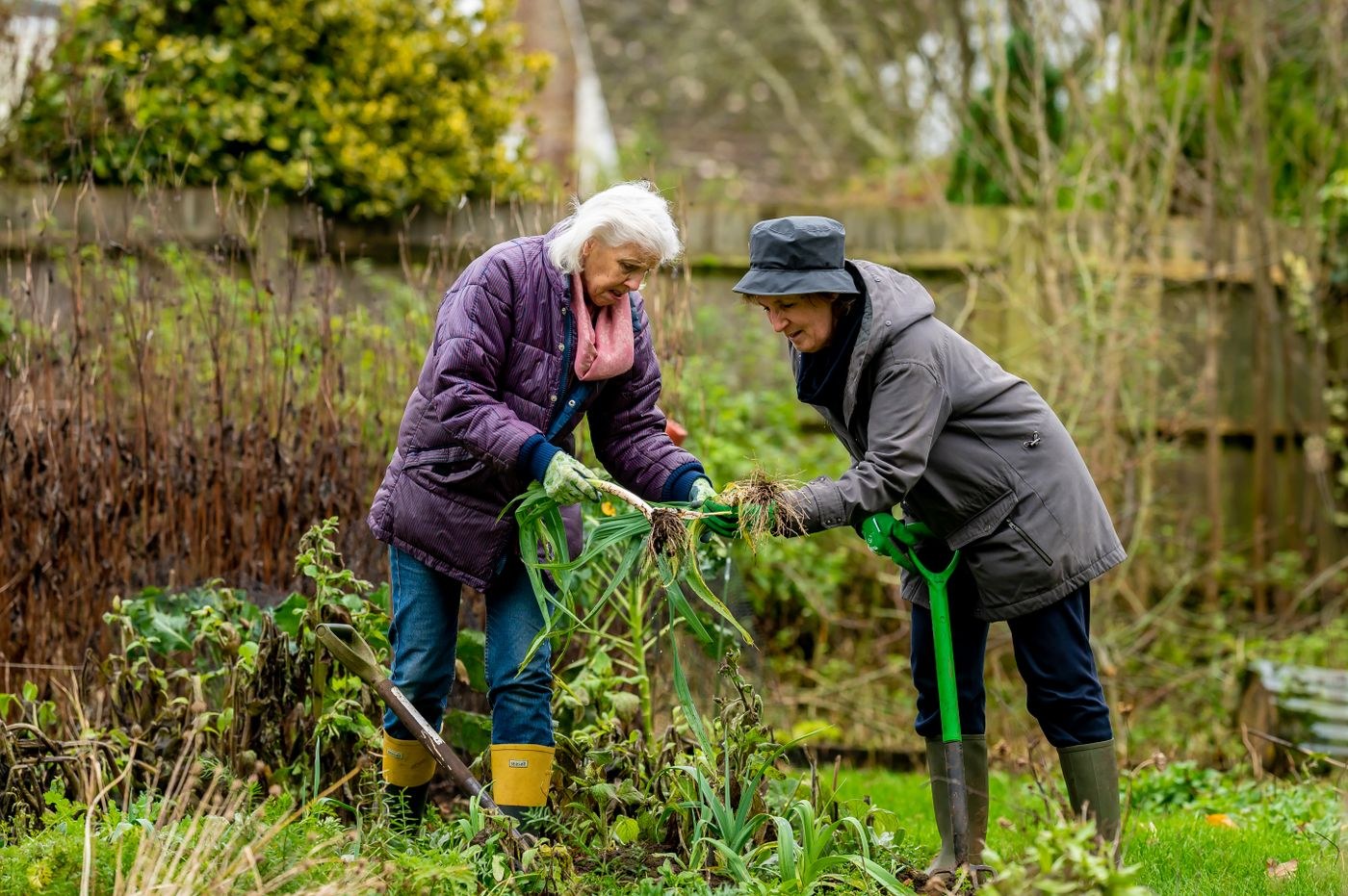
A small local project can give you a reason to return to a place and notice it more closely. You might help with a community garden session, photograph a series of neighbourhood doorways, learn a walking route or attend a short course. Choose something that interests you beyond its possible usefulness for making friends.
Keep the first commitment small. Ask what a volunteer role involves, including the hours, responsibilities and any checks or training required. A project should not become an obligation you accepted before understanding it. If you are uncertain about whether a particular role is permitted under your circumstances, check with the relevant authority rather than assuming unpaid work has no conditions.
For a personal project, define an achievable first step: visit one place, make one sketch or attend one session. “Learn everything about the city” has no useful boundary. “Walk the riverside route and note three places to revisit” can be completed in an ordinary part of the week.
Give it a place without filling every gap
Choose when you will work on it and what you need to begin. Reuse the same materials or route where that helps. If every session requires extensive research and shopping, reduce the project until starting feels manageable.
Allow the project to change as you learn more. A gardening session may lead to interest in one plant, or a photography walk may become a reason to explore a different street. You do not need to turn an enjoyable discovery into a larger public commitment.
If other people are involved, communicate about what you can reliably do. Completing a modest task is more helpful than volunteering for several things and disappearing when the household becomes busy.
After a few weeks, decide whether to continue, pause or finish. A project does not have to become a new identity to have been worthwhile. It may simply have given you a regular point in the week, a few familiar faces and a closer view of the place where you now live.