See what the kitchen can do
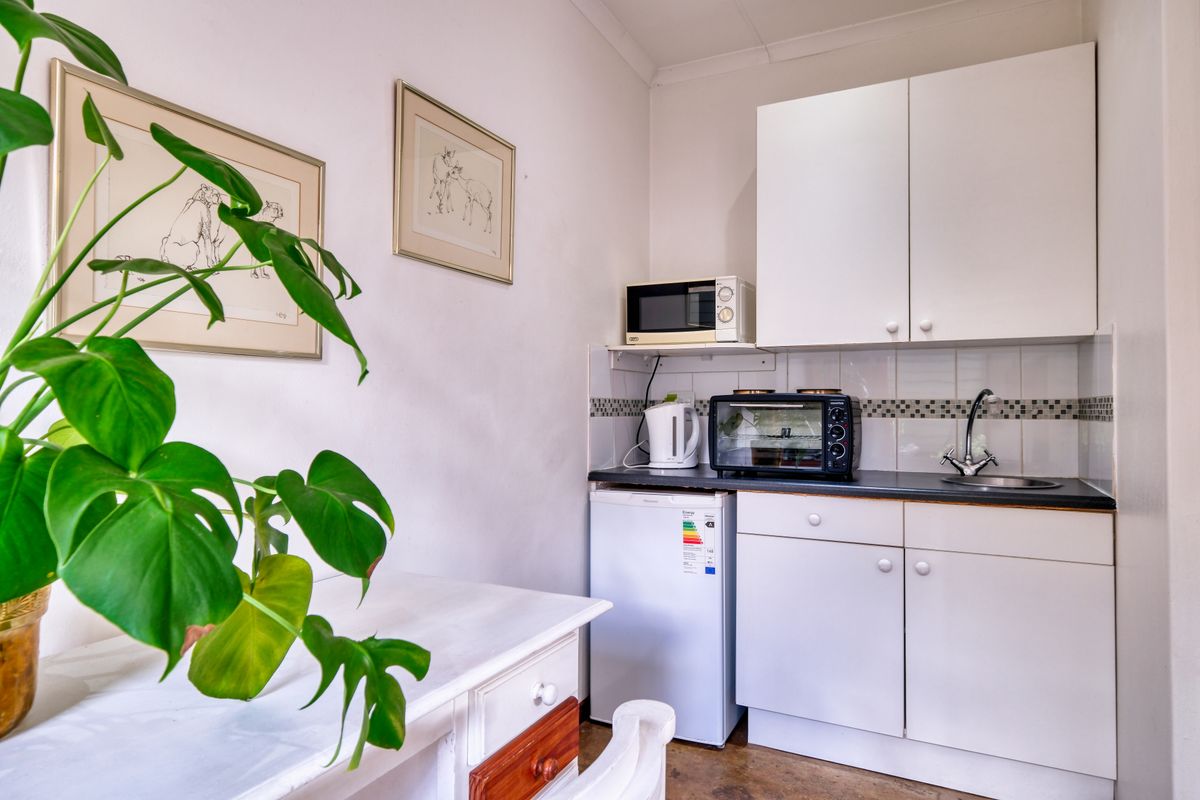
Before buying groceries, open the cupboards and inspect the available equipment. Find out which cooking appliances work, what cookware is suitable for them and whether there is enough storage for the food you expect to use. Ask the host or property contact about unfamiliar controls rather than guessing.
Count the everyday items that matter to the family: bowls, plates, cups, cutlery and a few preparation tools. A cupboard can look well stocked while containing no usable pan or only two bowls. Make a short list of the gaps that affect meals, rather than a complete inventory of everything you would own in a permanent home.
Check how cleaning and rubbish work. Locate the appropriate supplies and any building instructions. Having a clear way to wash and put things away is part of making the kitchen usable, particularly when work and meals share the same table.
Choose meals from the equipment
A small hob and a microwave suggest a different first menu from an oven and several pans. Pick meals you can complete without balancing too many steps in limited space. A familiar one-pot meal, food assembled without much cooking or a simple breakfast can cover the first days while you learn the kitchen.
Keep children's familiar foods in the plan where possible, but do not buy ingredients for several ambitious recipes at once. The first grocery visits already involve finding products in a new place. Give yourself a few meals with flexible ingredients and straightforward preparation.
If the household has dietary requirements, establish how those needs can be met with the available facilities. Do not assume shared equipment or unclear labels are suitable. Seek the specific information needed before using them.
Add only the missing working pieces
For a stay of a few weeks, a modest additional utensil may be more useful than a complete matching set. Ask whether the host can supply a missing item before buying it. Borrowing an ordinary item may also work if its return is clear and its condition is appropriate.
Decide what happens to any purchase at the end of the stay. It may travel to the permanent home, go to an agreed recipient or be returned if the shop's conditions allow. Avoid leaving unwanted objects for the next guest without permission.
Use a tray, shelf or basket to keep the family's frequently used items together. This can be particularly helpful in shared accommodation, but agree which areas and items are private and which are shared. Label food when necessary without relying on everybody remembering a conversation.
Give the room a reset point
A limited kitchen becomes difficult quickly when every surface stays occupied. Choose a moment to clear the preparation area, deal with dishes and check the next meal. The routine need not make the room spotless; it needs to leave it ready to use again.
If cooking and paid work share a table, agree when the table changes purpose and where work materials go. That small handover can prevent each meal beginning with a negotiation.
Keep track of what you genuinely miss after several days. Those observations will be useful when setting up the permanent kitchen. The temporary one does not need to become perfect to show you which equipment matters to your family.