Mark when food will actually be available
A flight departure time or a train connection can land directly across a normal meal. Write the likely eating opportunities alongside the journey: before leaving, after security, on board if food is offered, and after arrival. Check what is confirmed rather than assuming there will be something suitable at each stage.
The awkward gap may happen after landing, when everyone expects the journey to be over but transport and check-in still take time. Keep that stretch in mind when choosing what to carry or where to stop. If arrival is late, find out whether nearby shops or restaurants will still be open.
For an airline meal, confirm the current arrangements for your fare and any request deadlines. A requested meal should not be the only plan for a child who may not eat it. If there are allergies or other specific dietary needs, discuss the journey with the relevant professionals and providers rather than relying on a generic snack list.
Pick food for the setting
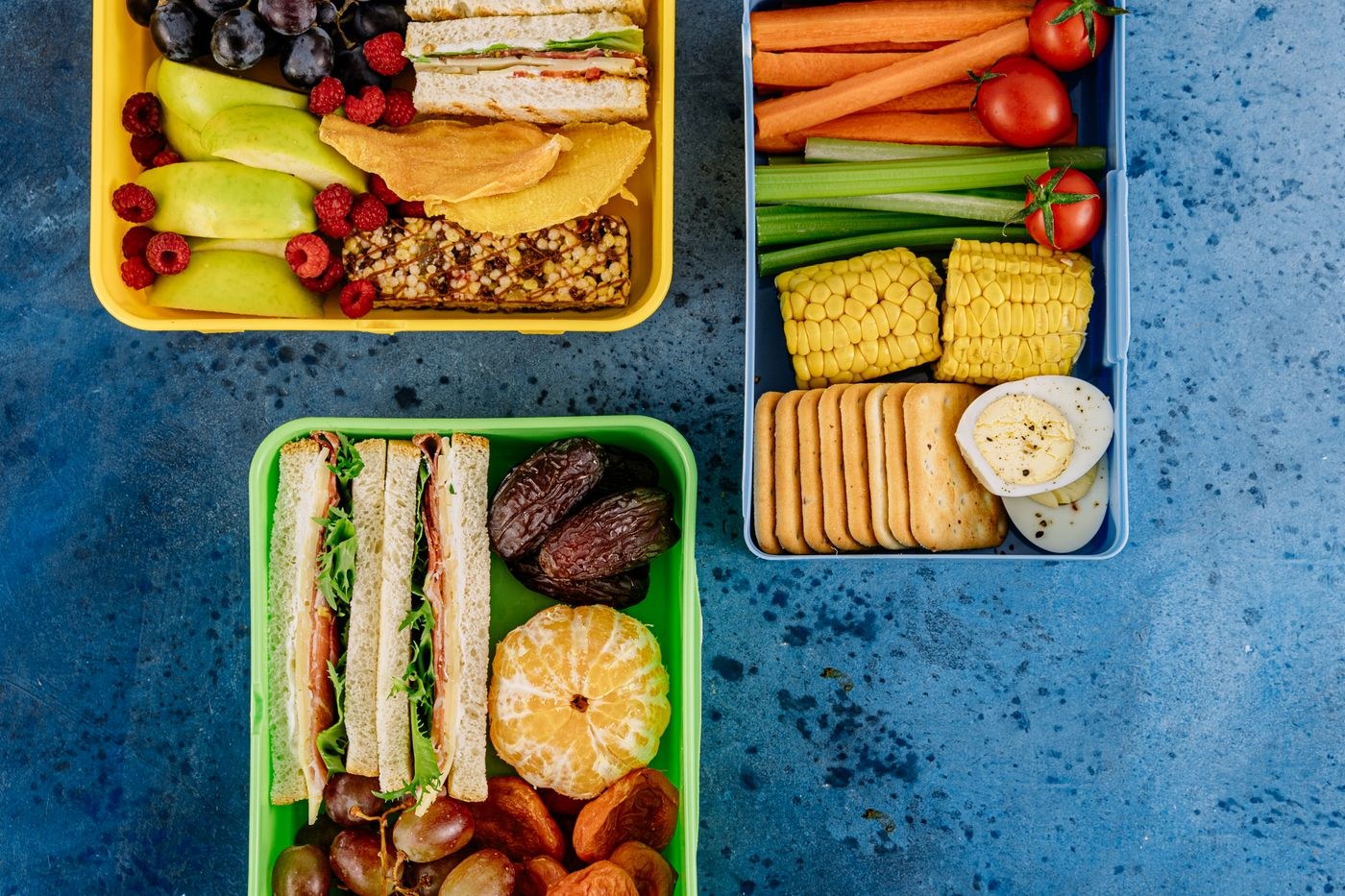
Choose familiar options that suit your child's age and eating needs and that can be managed in the place you will stop. A container that closes securely, a spoon if needed and a few wipes may be more useful than adding a complicated variety of food.
Keep perishable food at a safe temperature and follow reliable food-safety guidance for how you store and carry it. Do not assume that a sealed box makes something safe for a full travel day. When refrigeration is uncertain, choose an appropriate alternative or buy food at a suitable stop.
Check both security and destination rules before packing. These are separate checks: being allowed to take food onto a plane does not necessarily mean you can bring it across a border. Rules for liquids and food for babies or young children also vary by departure point. Consult the relevant authorities for your route.
Leave a place to stop and eat
Whenever possible, give children a settled place to eat rather than expecting them to manage food while rushing through a station or climbing into a vehicle. Follow age-appropriate supervision and seating advice, and allow enough time for the meal to be a pause.
Keep a modest reserve for delays without turning one bag into a travelling pantry. After the trip, note what was actually eaten and which food opportunity was missing. That is a better basis for the next journey than packing twice as much of everything because one connection ran late.