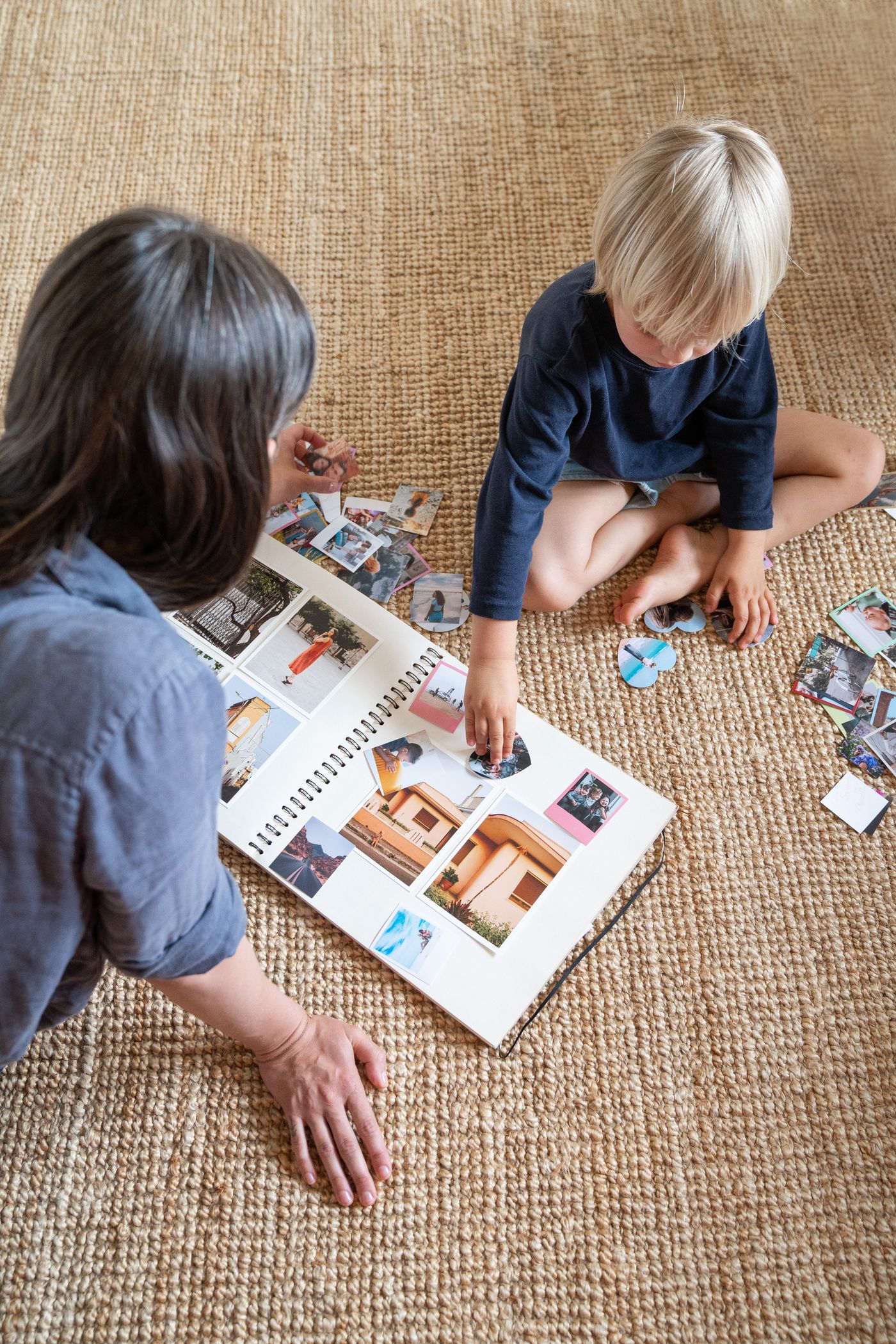
Ask about a small part of the day
“Do you feel at home here yet?” asks a child to summarise something that may change from hour to hour. They might enjoy a class and miss a friend on the same afternoon. A more specific question gives them less to resolve: where did they feel comfortable today, whom did they sit with, or which place would they like to visit again?
Leave time for an answer, including an answer you did not expect. If a child names the previous home, you can ask what they are remembering. You do not need to defend the decision to move every time the old place appears in conversation.
Listen without asking for reassurance
Parents have their own feelings about a move, and a child's disappointment may touch them closely. Try to keep that burden out of the child's answer. They should not have to say that everything is wonderful to prove that the adult decision was worthwhile.
Reflect the actual detail they shared before suggesting a solution. If they say that break time feels awkward, ask what happens then. UNICEF's communication guidance encourages listening and reflecting a child's meaning. That can help keep this conversation about their experience rather than your immediate explanation of it.
Avoid comparing their response with a sibling's or another family's. A child who misses one person may not be asking for a different country. A child who likes the new place may still have something important to say about the home they left.
Turn a useful detail into a small action
If the child wants help, choose an action connected to the issue they named. It might be asking the teacher about break-time activities, returning to a familiar playground or arranging a message to a friend. Check whether they want you to speak to someone before doing so, while keeping adult responsibility for safety concerns.
Some answers will not produce a task. A child may simply want to describe a memory or an uncomfortable moment. Acknowledging it can be a complete response for that conversation.
Look for occasions to talk alongside an activity rather than always sitting face to face. A walk, a shared household job or a quiet journey can permit pauses. Do not use every such moment to reopen the subject.
Belonging is not a box the family must tick before life continues. Let the child describe particular connections as they develop, without requiring a final verdict on whether the new place has become home.