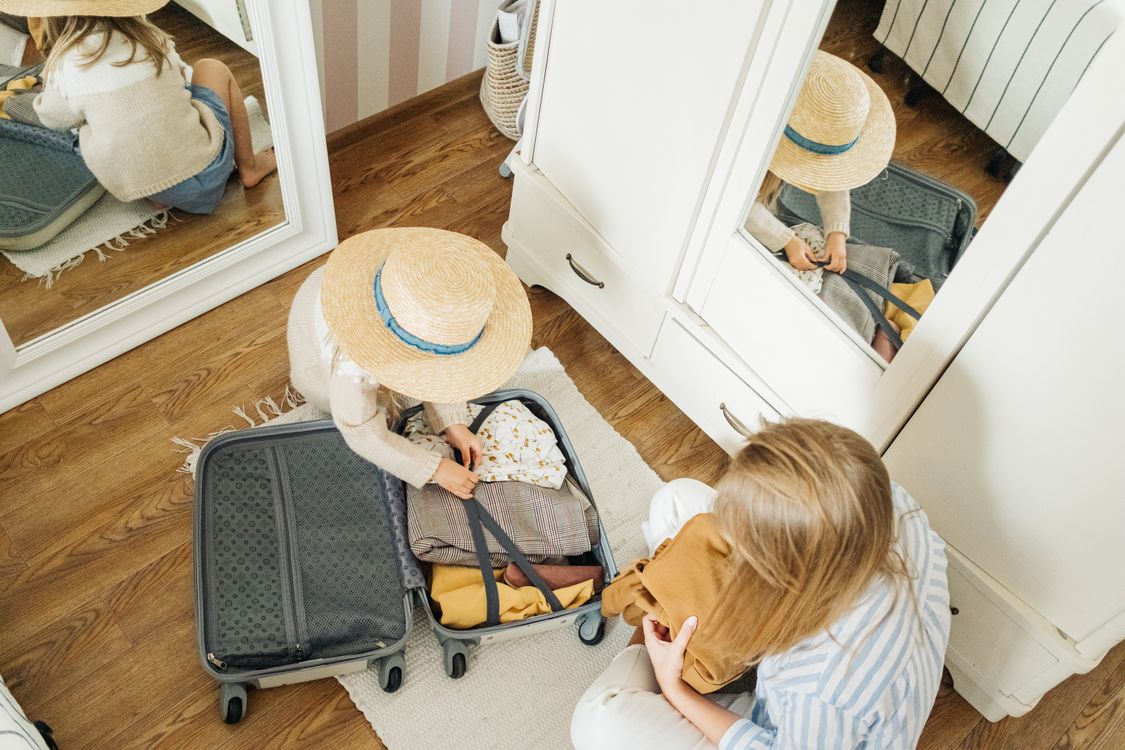
Moving abroad
Pack for the first week, not just the flight
Keep the first few days usable even if the boxes, shopping trip or permanent home have to wait.
The collection
Search a subject or choose a part of family life, from packing the first bag to finding a new routine.
151 articles
No articles match your search. Try another word or clear the filters.
Moving abroad
Keep the first few days usable even if the boxes, shopping trip or permanent home have to wait.
Moving abroad
A family move has several clocks running at once: work, school, housing and the time people need to say goodbye.

Moving abroad
Children need a clear account of what is happening, with space for questions that may arrive much later.

Moving abroad
Keep a moving meeting short enough to finish, and concrete enough that everyone knows what happens next.

Moving abroad
Space limits become easier to handle when you decide by use, replacement effort and personal importance.

Moving abroad
Arrival timing matters as much as value when deciding what belongs in a suitcase and what can follow later.

Moving abroad
A document system should help you retrieve the right record without spreading personal information across every bag and inbox.

Moving abroad
Record enough detail to find a box and check its contents, without turning packing into a cataloguing project.

Moving abroad
Judge a temporary home by meals, sleep, laundry and the journeys you will repeat while living there.
Moving abroad
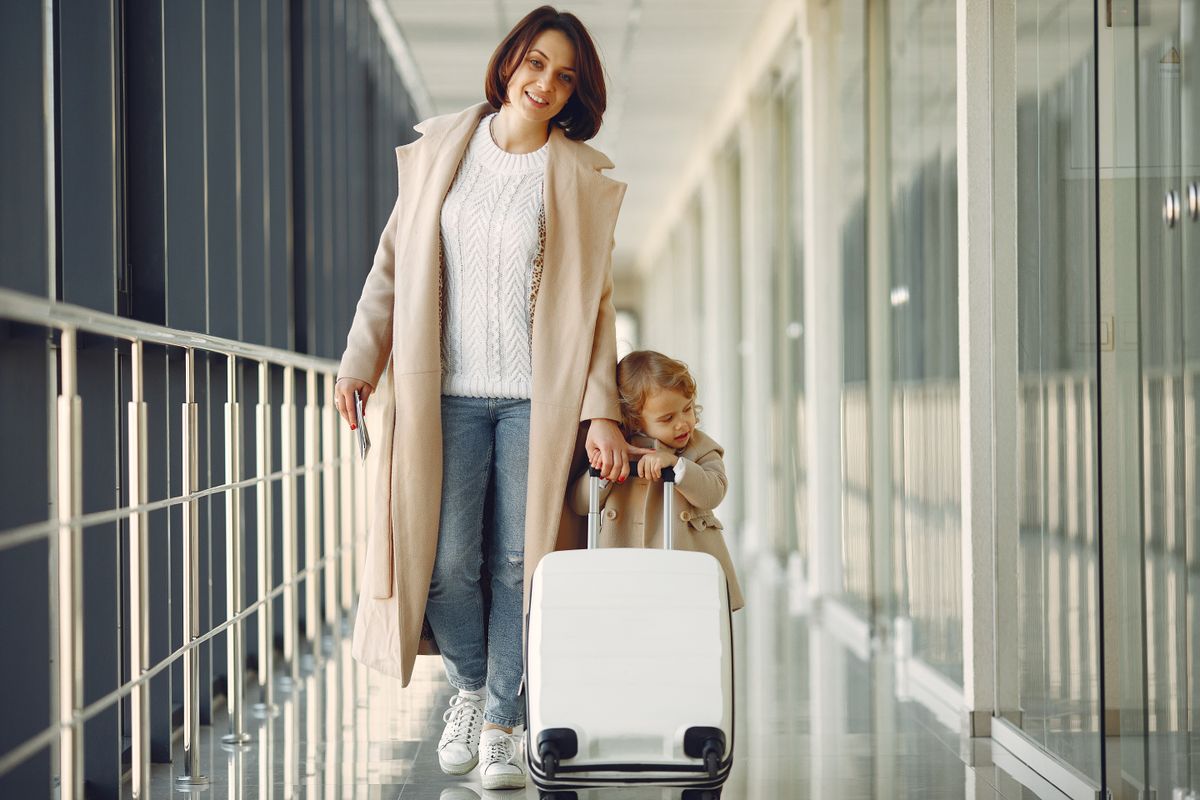
Getting from the airport to a usable bed is enough of a plan for the first day.

Moving abroad
A few ordinary belongings can carry more familiarity than a suitcase full of new things.

Moving abroad
Teenagers can contribute to a move without being expected to manage adult decisions or perform enthusiasm.
Moving abroad
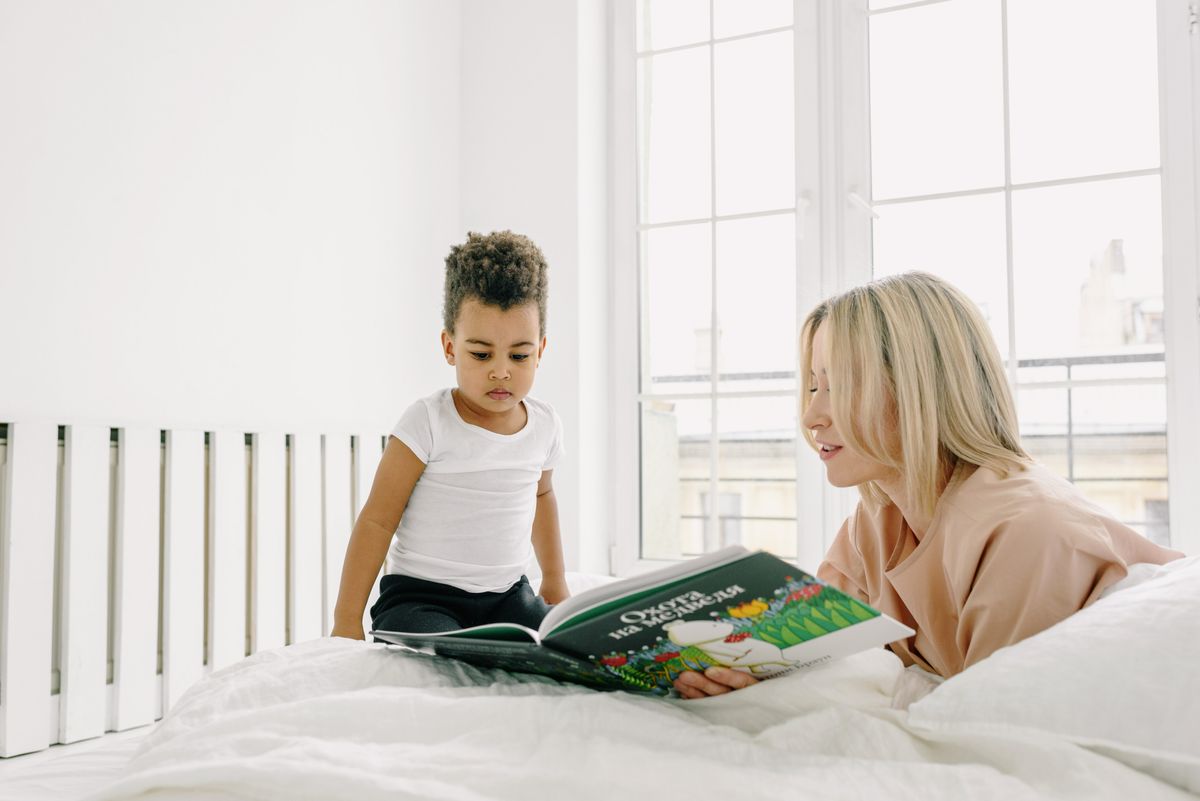
Use a few concrete events, photographs and repeated words to explain what a young child will experience.

Moving abroad
Choose a few goodbyes that matter and leave time to live through them, rather than filling every remaining slot.

Moving abroad
Alongside the keepsakes, gather the information and connections that will help a child leave school well.

Moving abroad
A short record of open questions stops uncertainty from being mistaken for a decision.

Moving abroad
Buy or ask for help around a defined job, with clear handovers and a realistic account of the work still left for you.

Moving abroad
A functioning morning matters more than emptying the most boxes on the first evening.

Moving abroad
When belongings are delayed, separate the facts about delivery from the small decisions that keep the household running.
Moving abroad
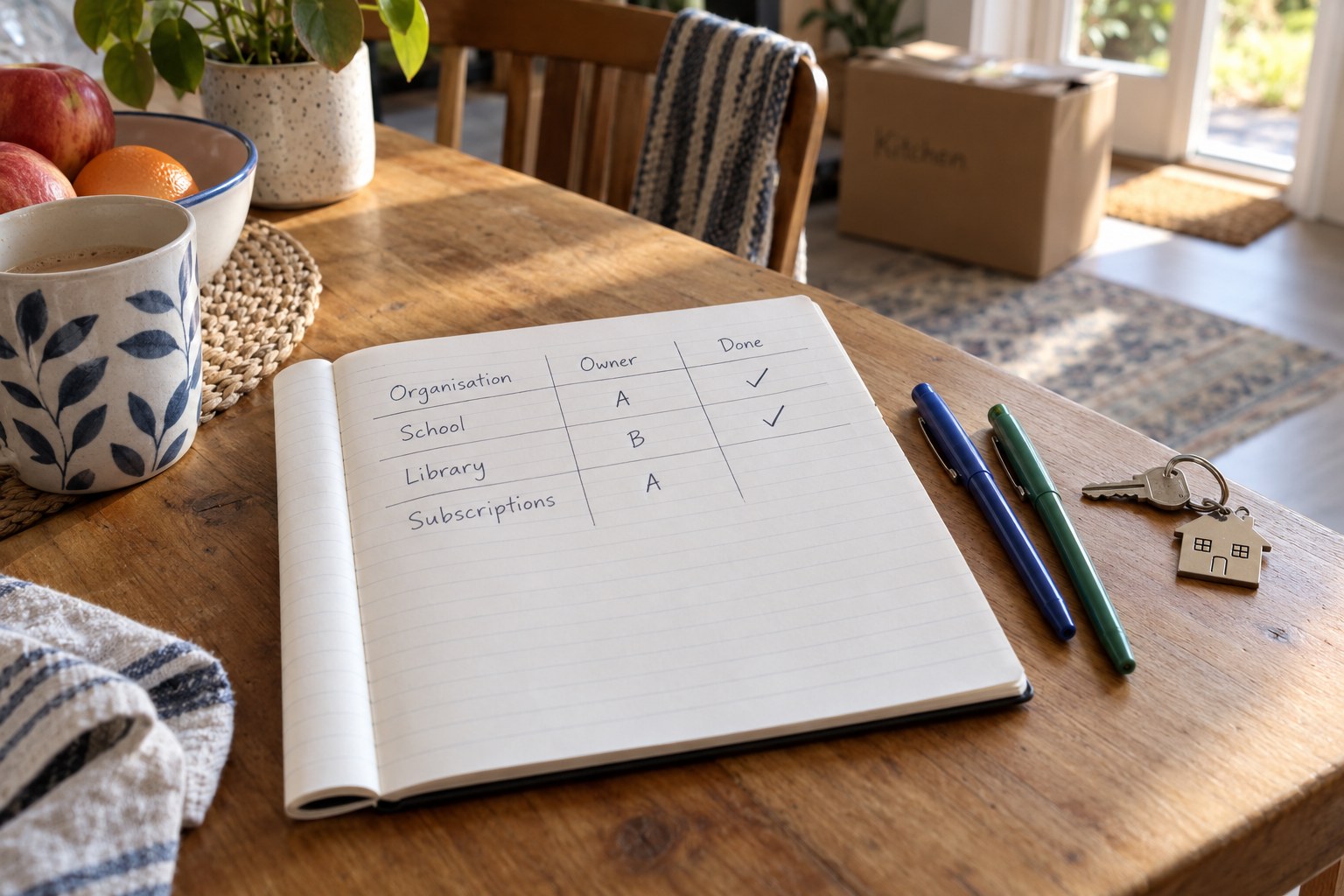
Record who will update each organisation, when the change takes effect and whether it has been confirmed.
Moving abroad
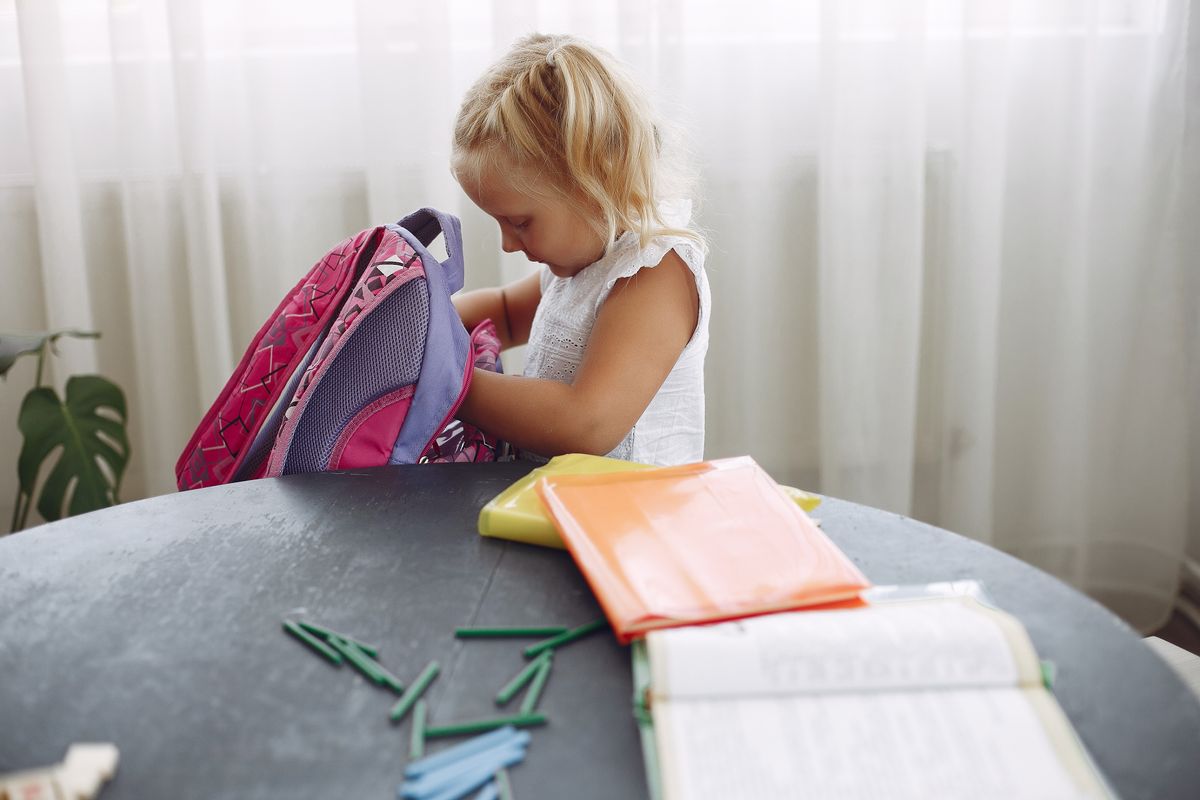
Choose a small bag a child can recognise and manage, with a few things that cover waiting, comfort and the first night.

Moving abroad
A video viewing should show how a home connects and functions, including the details a listing photograph leaves out.

Moving abroad
The first month often contains purchases and payments that will not belong in the household’s normal monthly budget.
Moving abroad
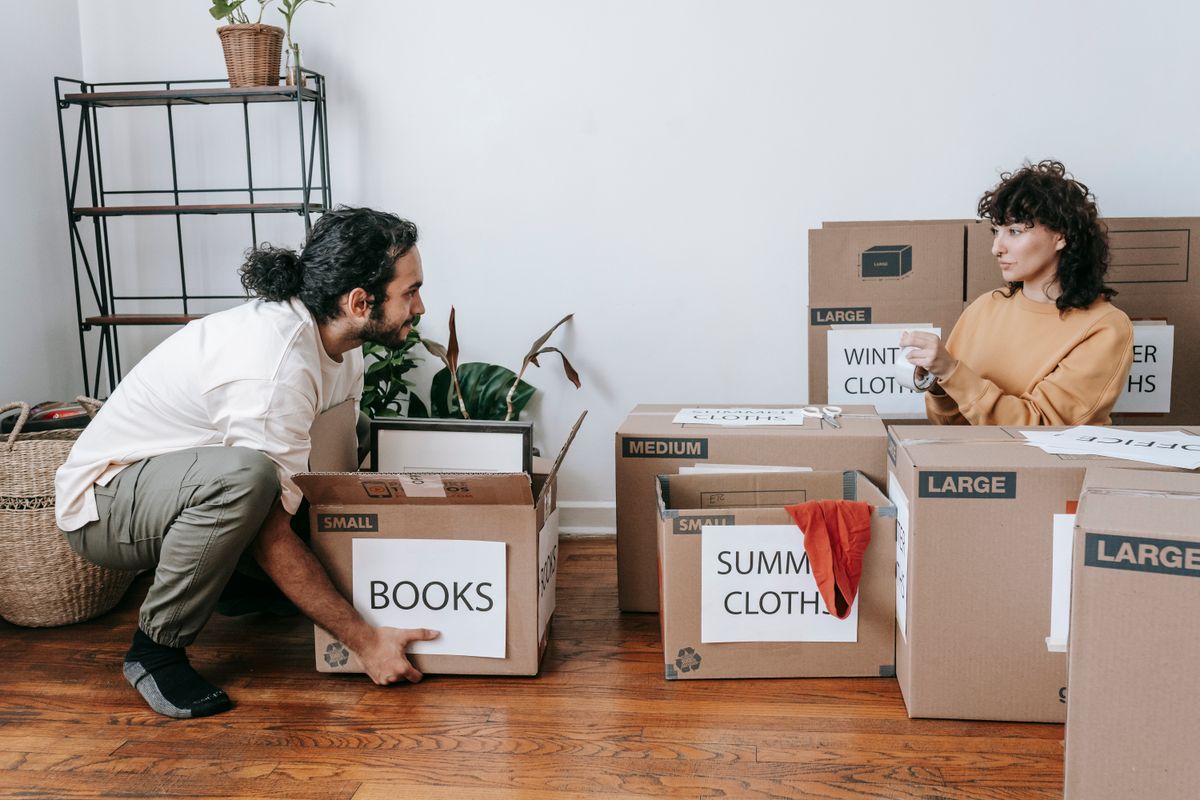
Assign complete pieces of moving work, including the follow-up, so one adult does not become the memory for every task.

Moving abroad
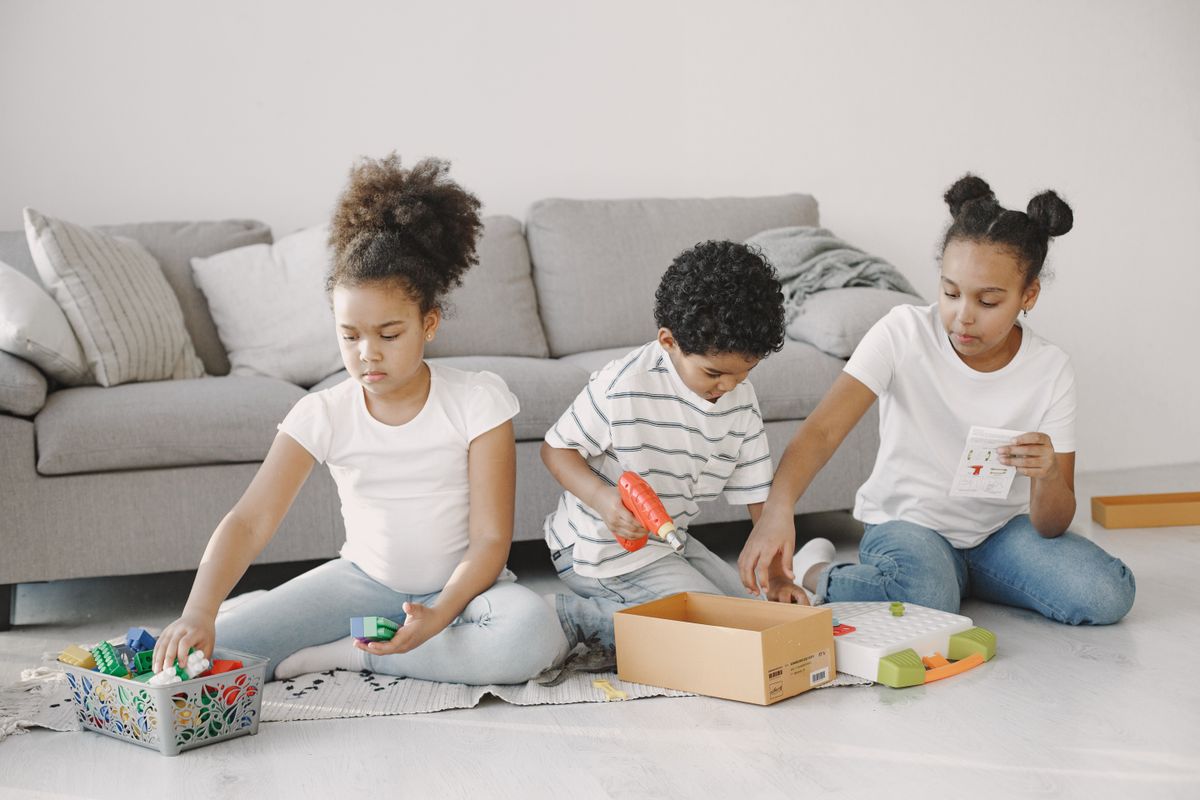
Use the waiting period for reversible work, and keep date-dependent commitments tied to a clear decision point.
Moving abroad
The weeks between schools, jobs or homes need a temporary shape of their own.

Moving abroad
Treat the pet’s journey as its own project, with official requirements, carrier arrangements and care before and after travel.
Moving abroad
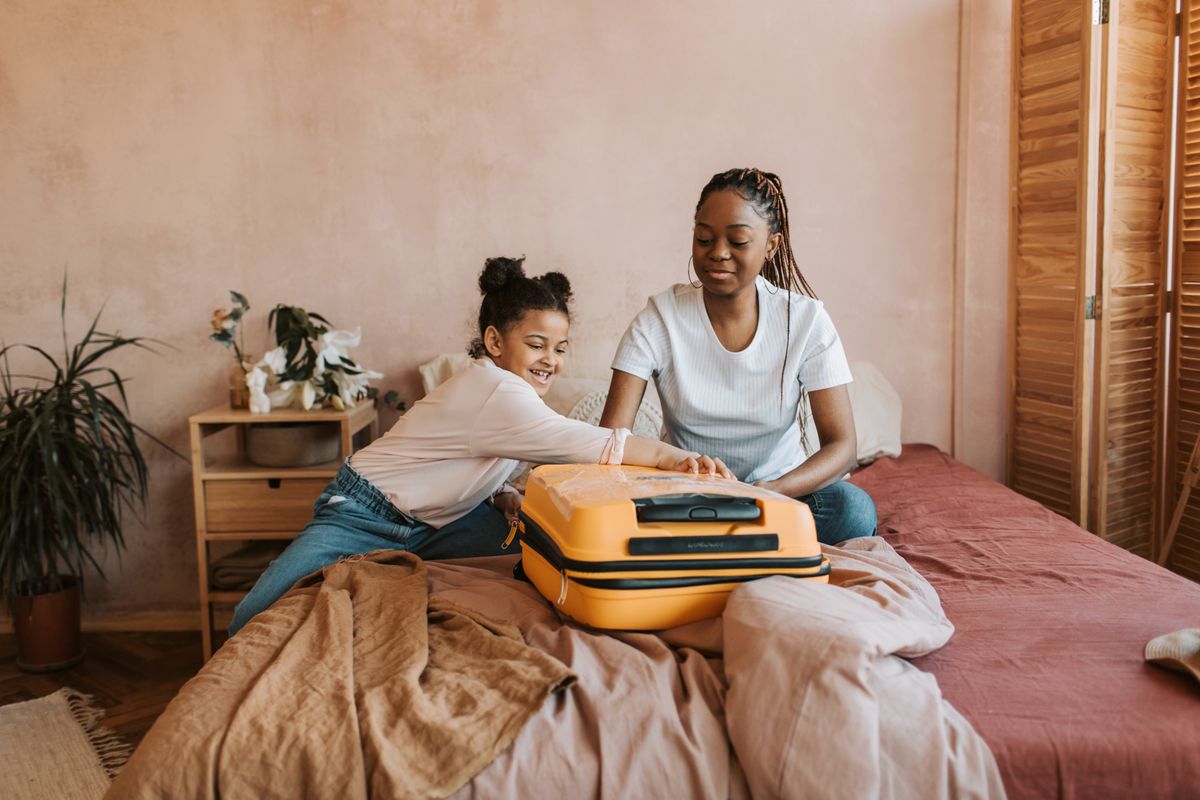
Familiar streets do not remove the work of finding a home, rebuilding routines and hearing what each family member is leaving behind.

Settling in
Repeat a small route, notice what is useful and let the map become connected to actual places.

Settling in
Buy enough for a few meals and the immediate household needs while you learn the shop and your new kitchen.
Settling in
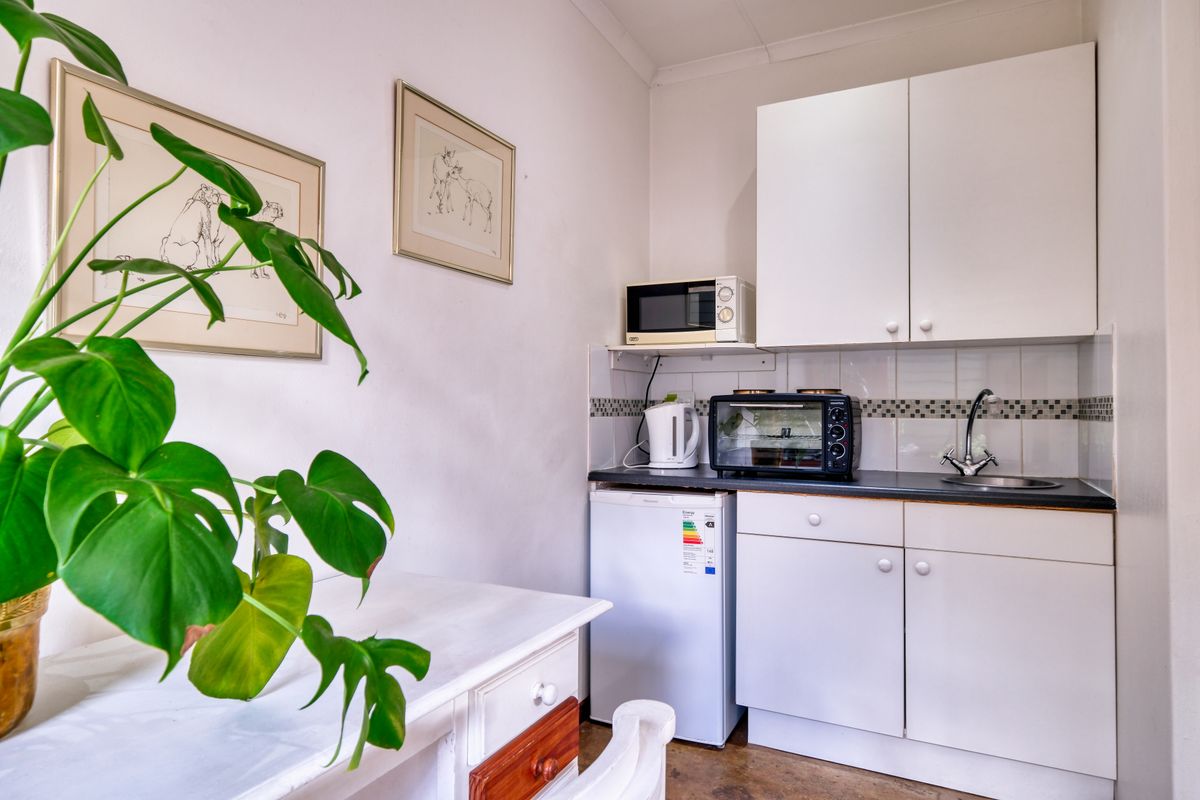
A temporary kitchen can support ordinary meals with a small working set and a plan based on the equipment already there.

Settling in
Use familiar bedding, a few belongings and a layout a child understands before thinking about decoration.

Settling in
Learn the stops, payment and return journey on a day when a wrong turn will not make you late.

Settling in
A route that looks simple on a quiet afternoon may work differently when everyone is travelling to school.
Settling in
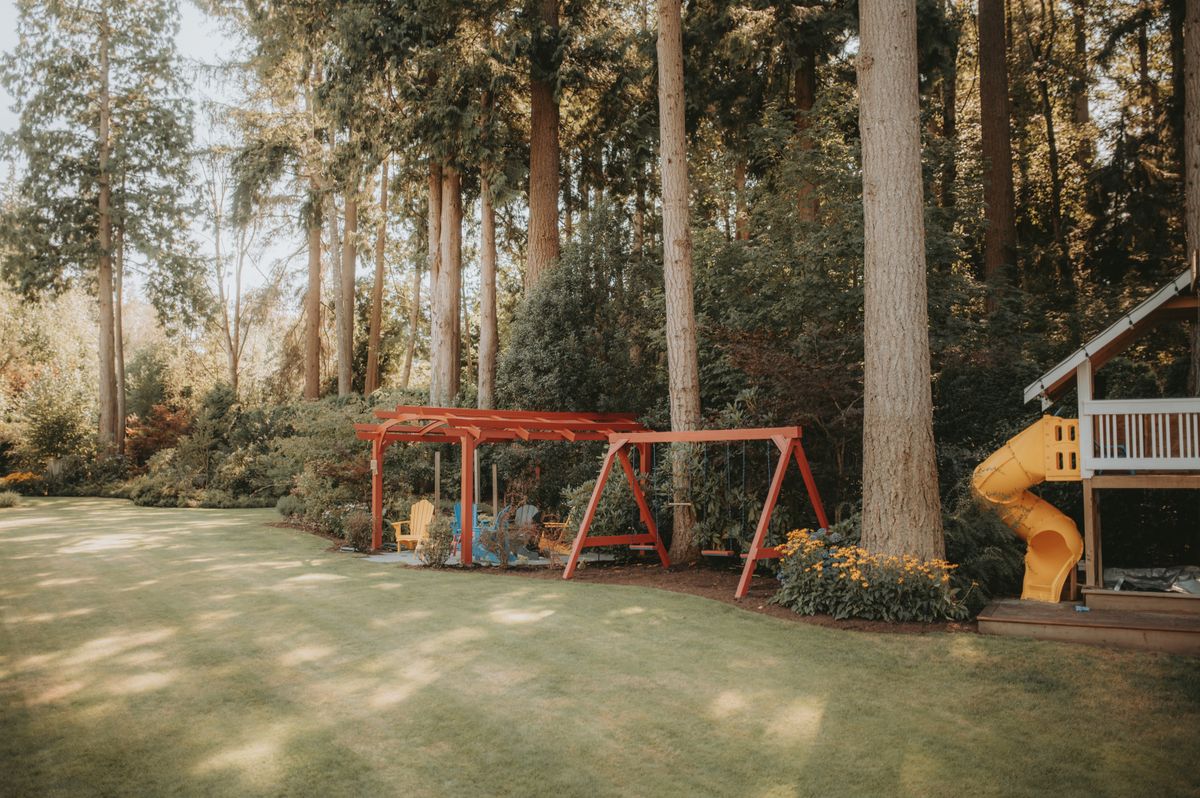
The playground you return to is usually the one that fits the children, the journey and the rest of the day.
Settling in
A few repeatable activities can give a new week a recognisable shape without filling every afternoon.

Settling in
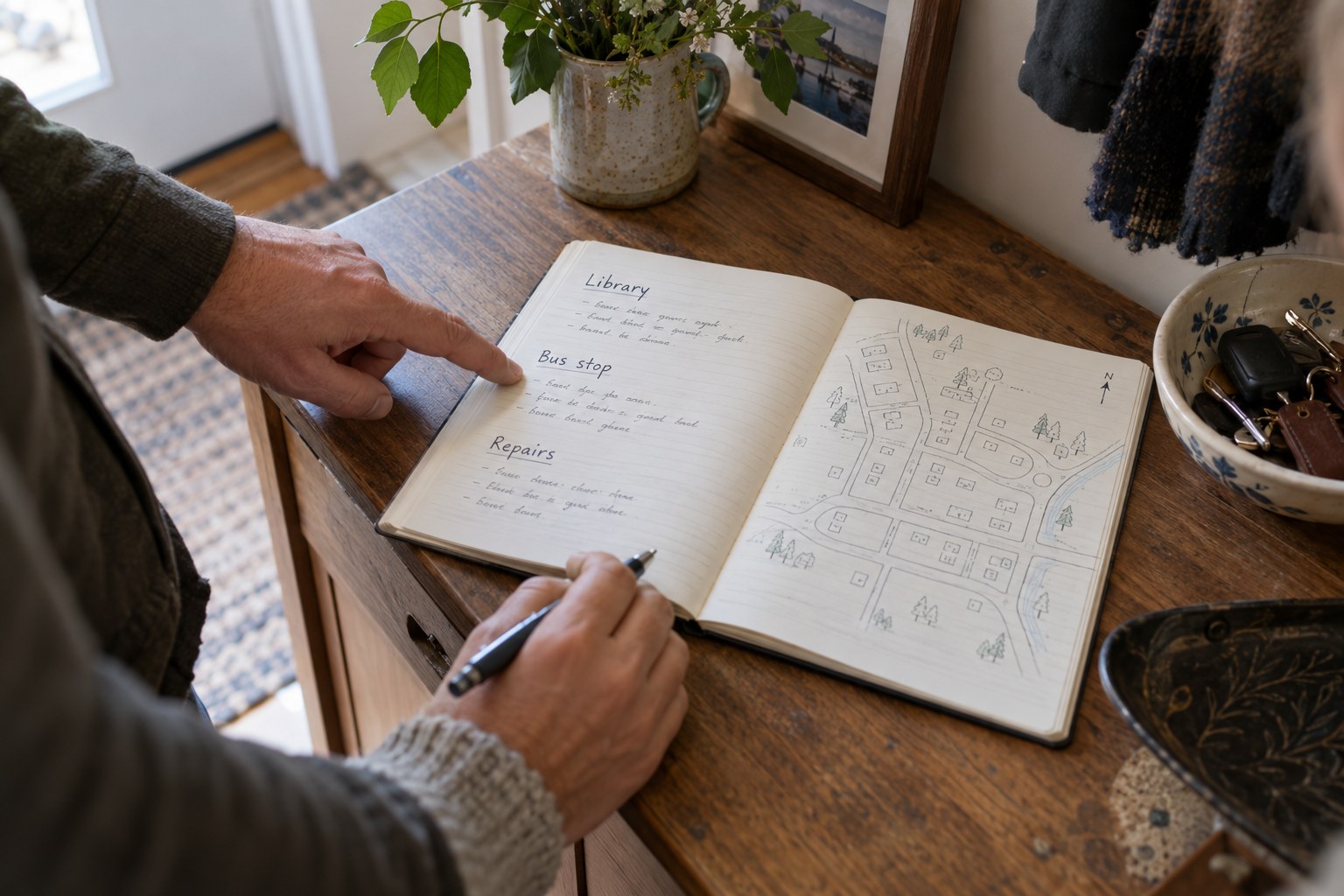
Gather the information needed to operate the home and contact the right person when something needs attention.
Settling in
A shared local note should answer recurring household questions without becoming a directory of everything in the city.

Settling in
Plan around the machine, drying space and amount of clothing the household uses between washes.

Settling in
In a small home, it helps to know what each space is doing now and where its contents go when the next activity starts.

Settling in
Borrowing can cover a short gap and show whether an item deserves space in the permanent home.
Settling in
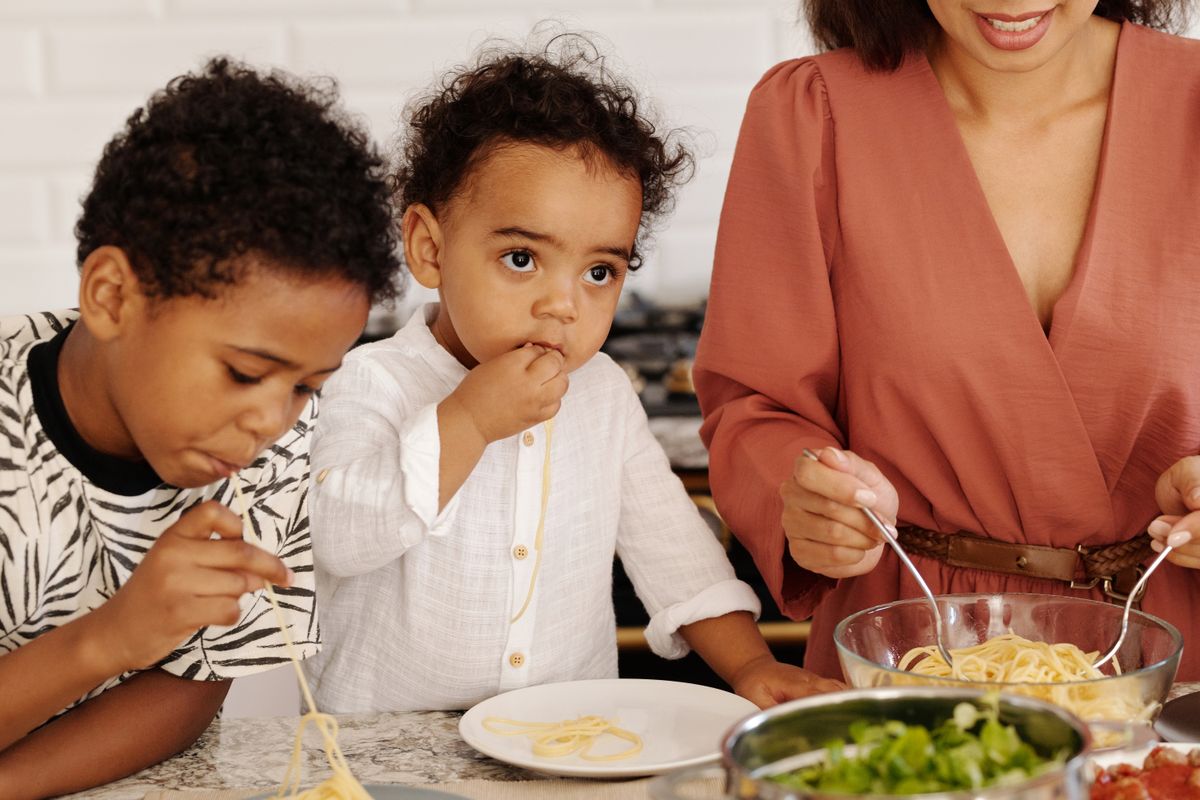
A short list of meals everyone recognises can take some pressure off the first weeks in a new kitchen.

Settling in
Learn the words and packaging details you need for your own shopping, instead of translating every shelf.

Settling in
A small purchase and a little observation are enough for a first trip to an unfamiliar market.

Settling in
Use a first library visit to discover the building, the borrowing arrangements and one reason to return.

Settling in
Keep a few indoor options that fit different amounts of time, energy and money.
Settling in
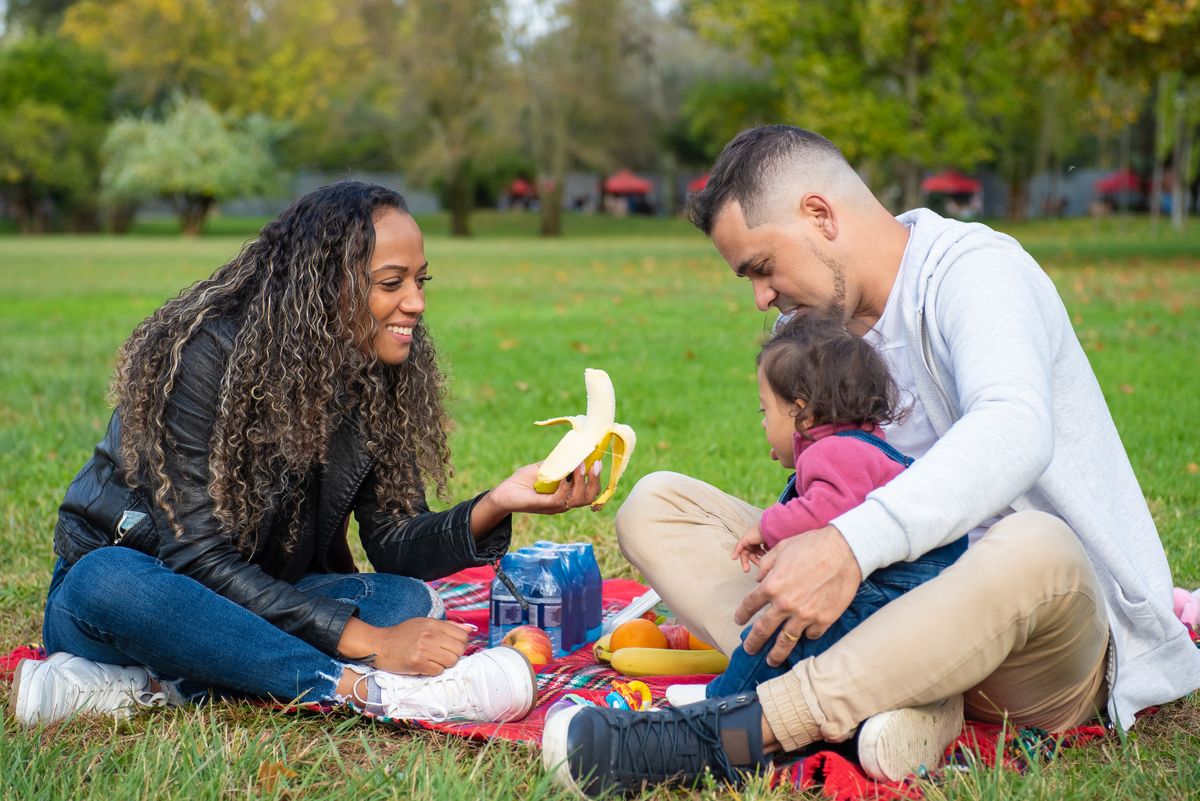
Give an unplanned weekend a small shape without turning it into a sightseeing assignment.

Settling in
Create one small place for the keys, papers and answers that keep moving around the house.

Settling in
Make the time difference visible where you arrange calls, appointments and family occasions.

Settling in
Set expectations for a visit that overlaps with unpacking, school routines and learning your way around.

Settling in
An introduction can be brief. Learning a name and one useful detail is enough for a first conversation.
Settling in
Collect the words for the situations you keep meeting, from a delivery at the door to a question at the laundrette.
Settling in
Treat an unfamiliar habit as something to understand in its setting, rather than a rule about everyone who lives there.

Settling in
Check fit, daily conditions and laundry before buying a whole new set of clothes for a different climate.
Settling in
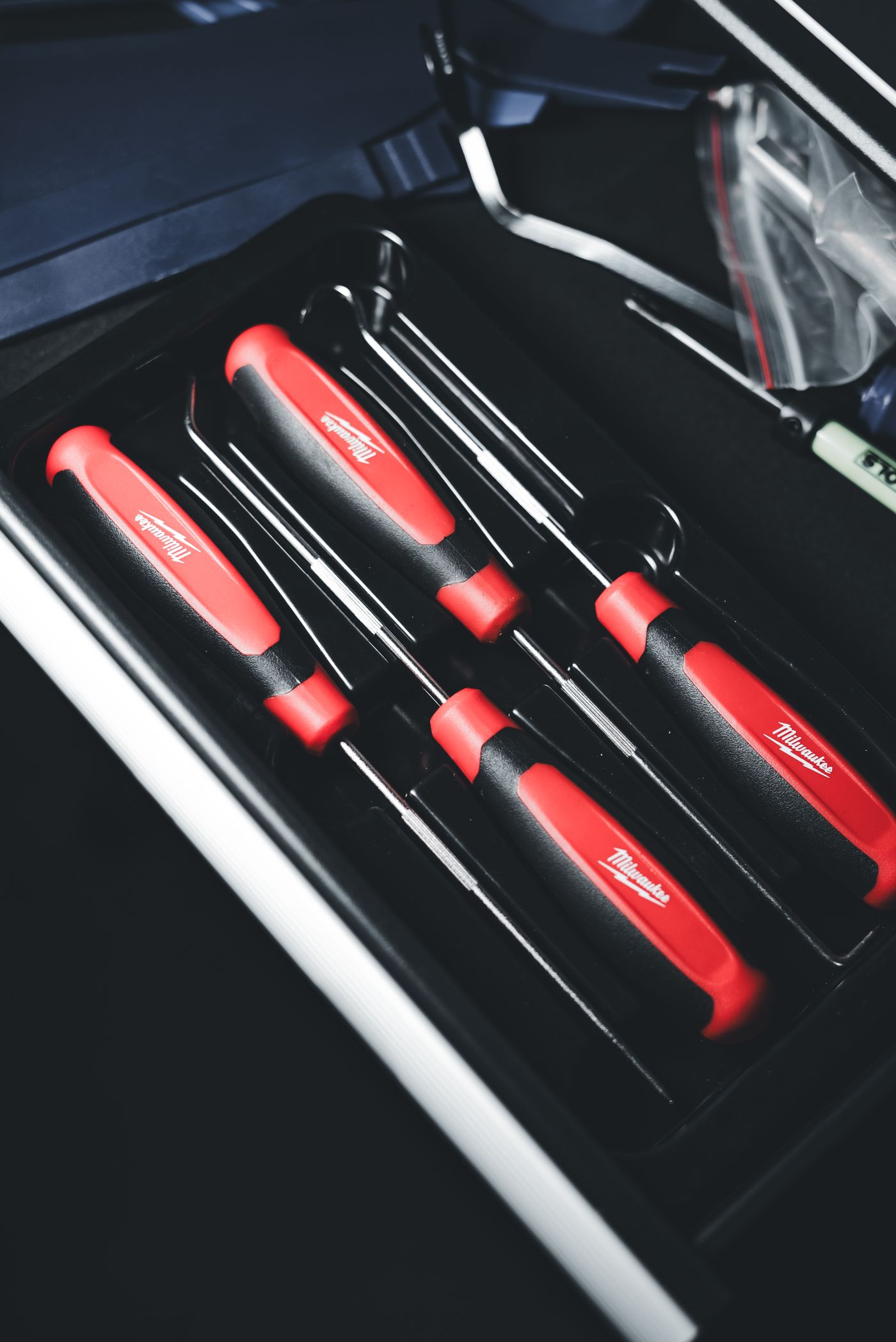
A compact set of hand tools can handle small jobs, provided you know which repairs belong to the landlord or a qualified tradesperson.
Settling in
A few notes about what helped can make the new place easier to navigate next week.

Settling in
When a permanent address is still ahead, organise the current space around routines you can carry with you.

Parenting abroad
Build language into the relationships and activities your family already values, without turning every conversation into a lesson.

Parenting abroad
A home-language shelf can be small, familiar and interesting enough to return to.
Parenting abroad
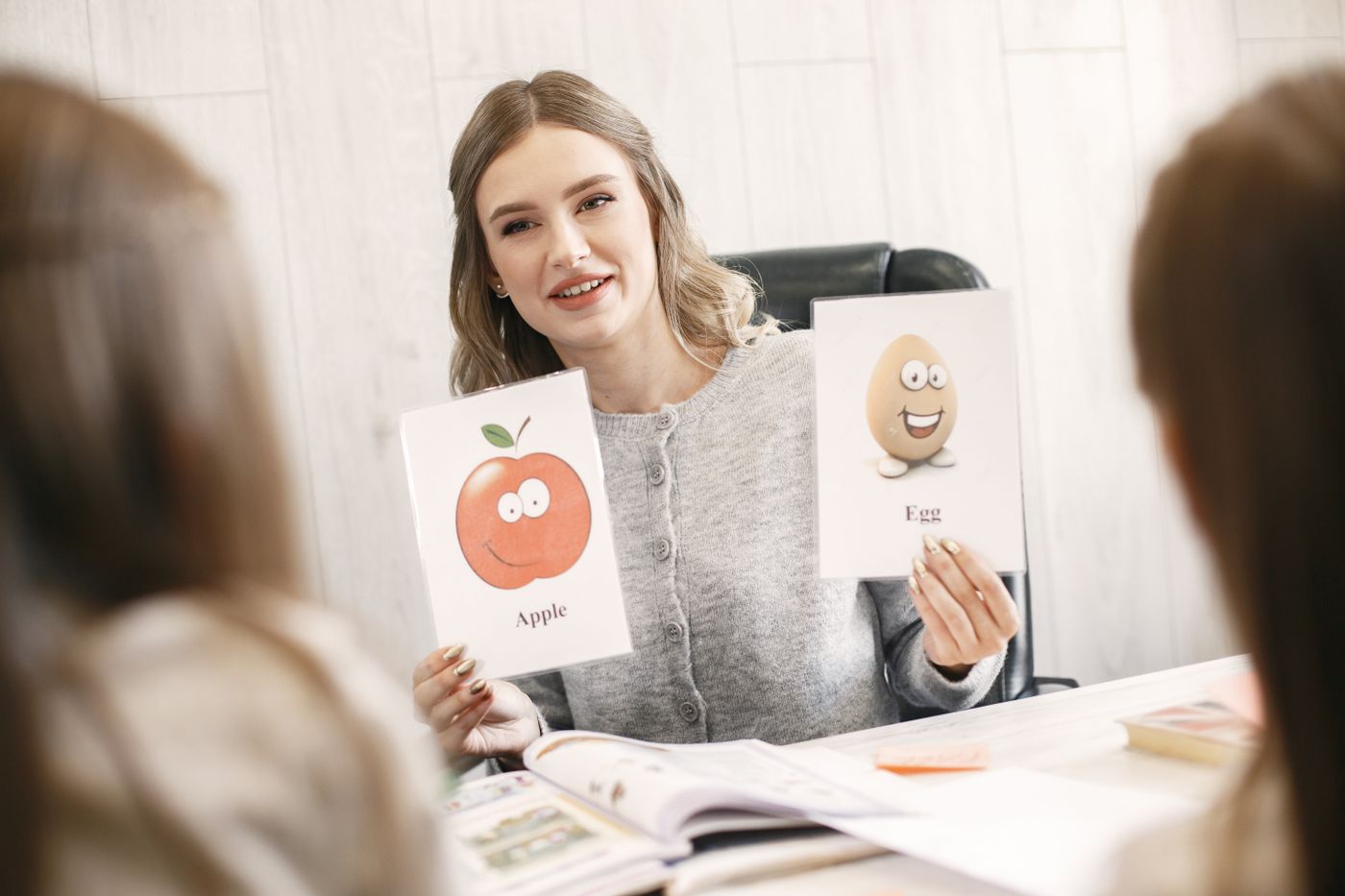
Pay attention to how a child understands and participates, while making it easier to join in without being put on the spot.
Parenting abroad
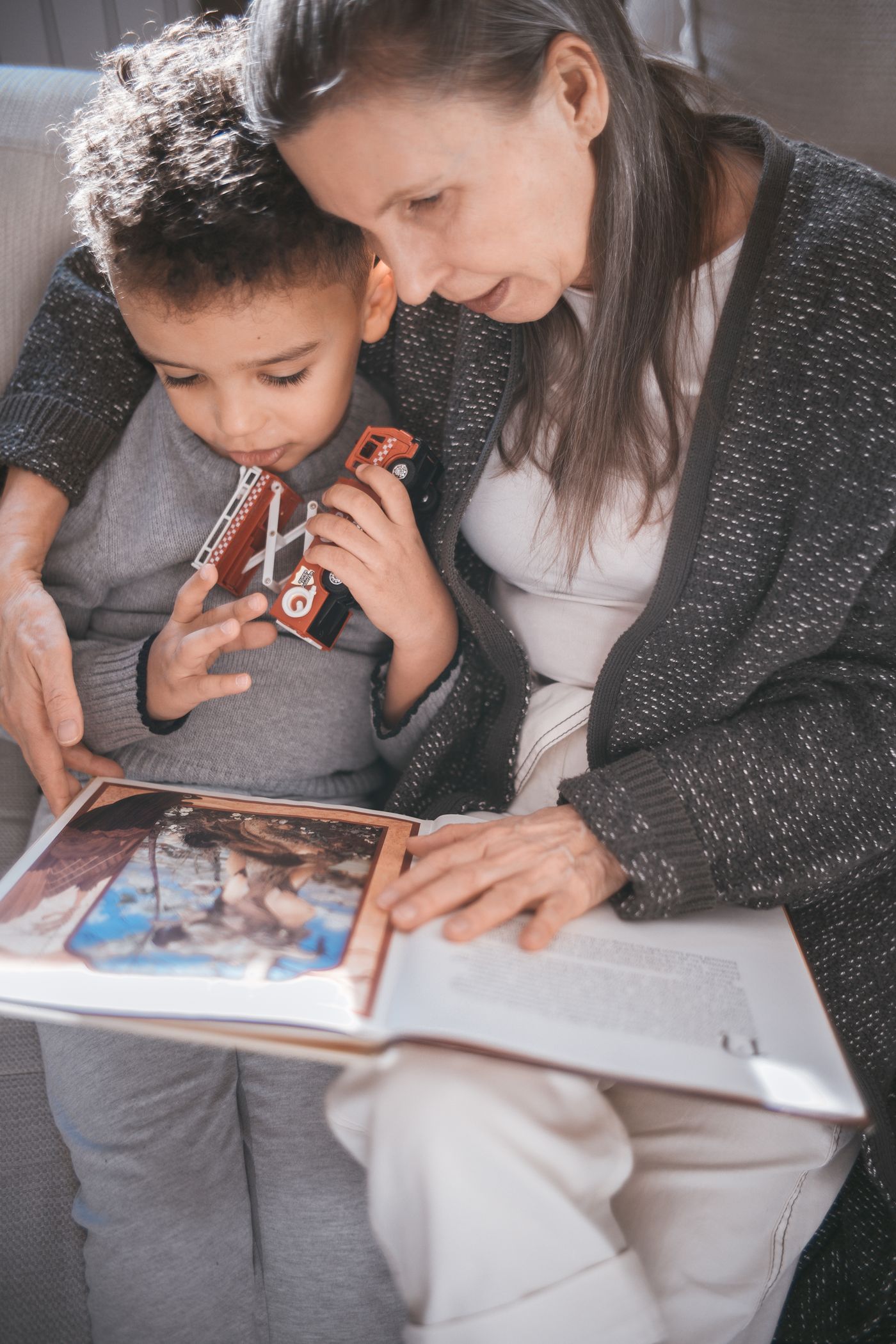
A shared book, a small project or an ordinary detail can give a long-distance relationship more to work with than repeated questions.
Parenting abroad
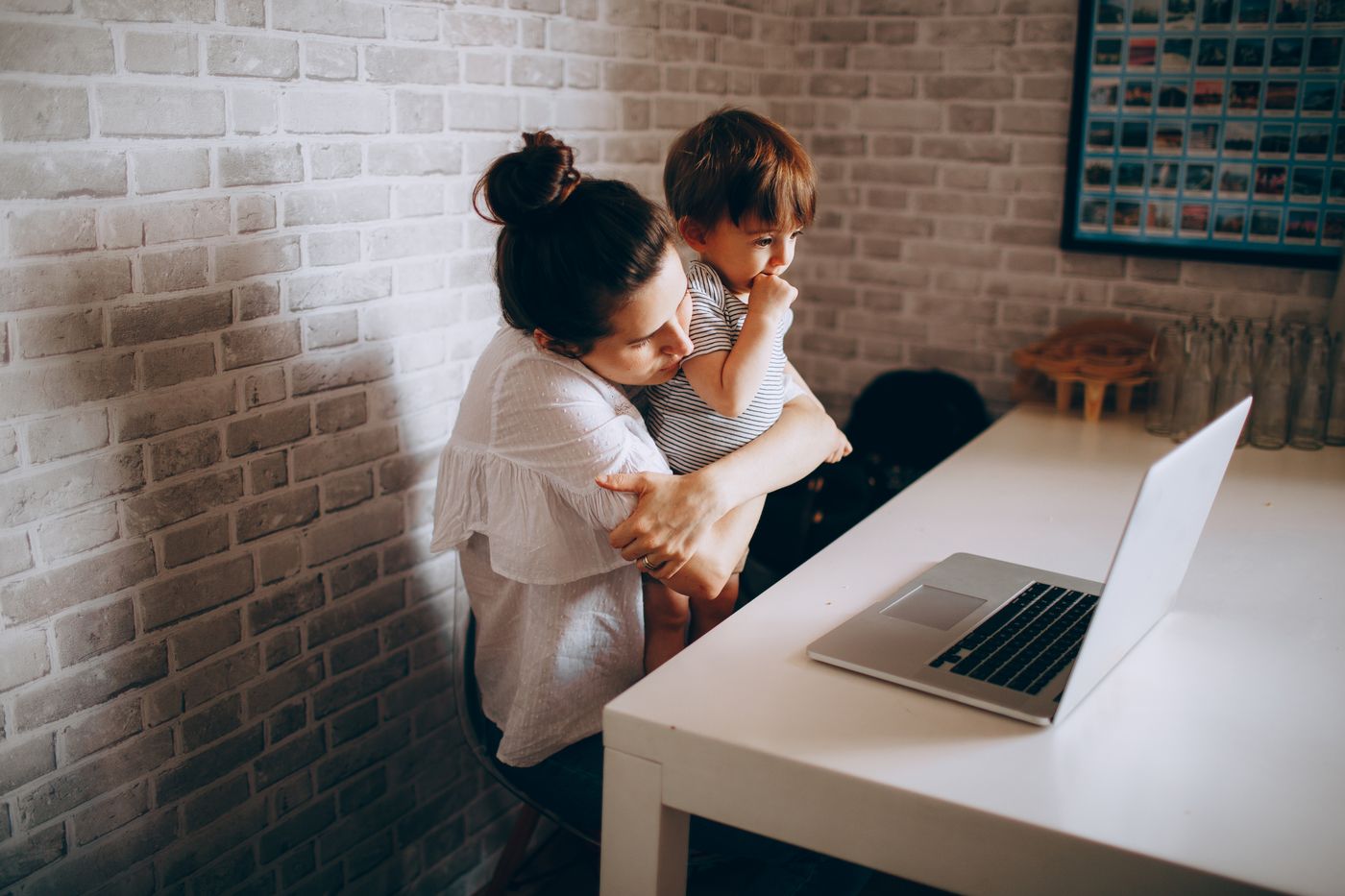
A call can end while it is still going well. Length is not the only measure of time spent together.
Parenting abroad
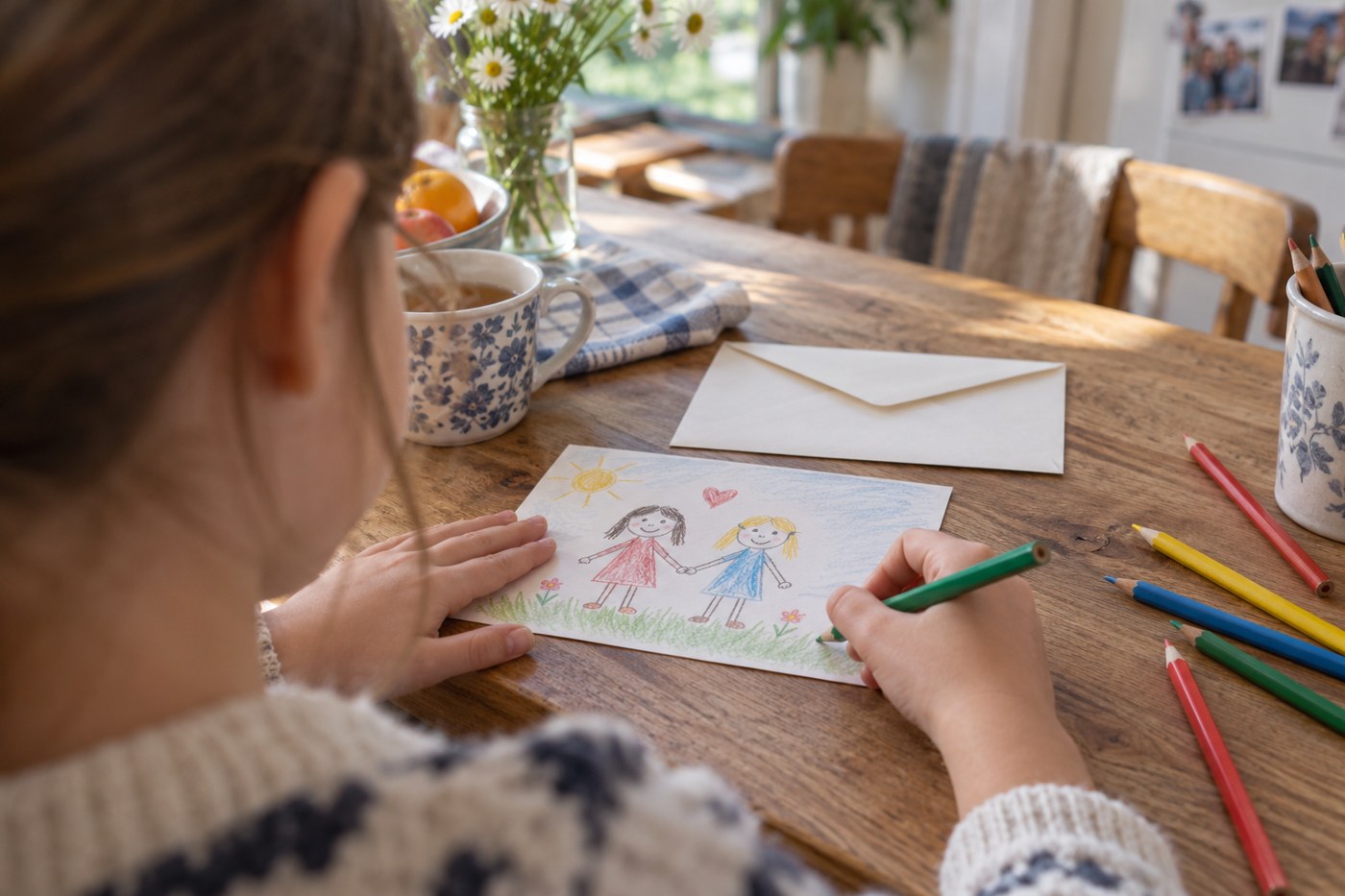
Missing an old friend does not need to be solved by finding a replacement. Help the existing friendship take a form that distance allows.
Parenting abroad
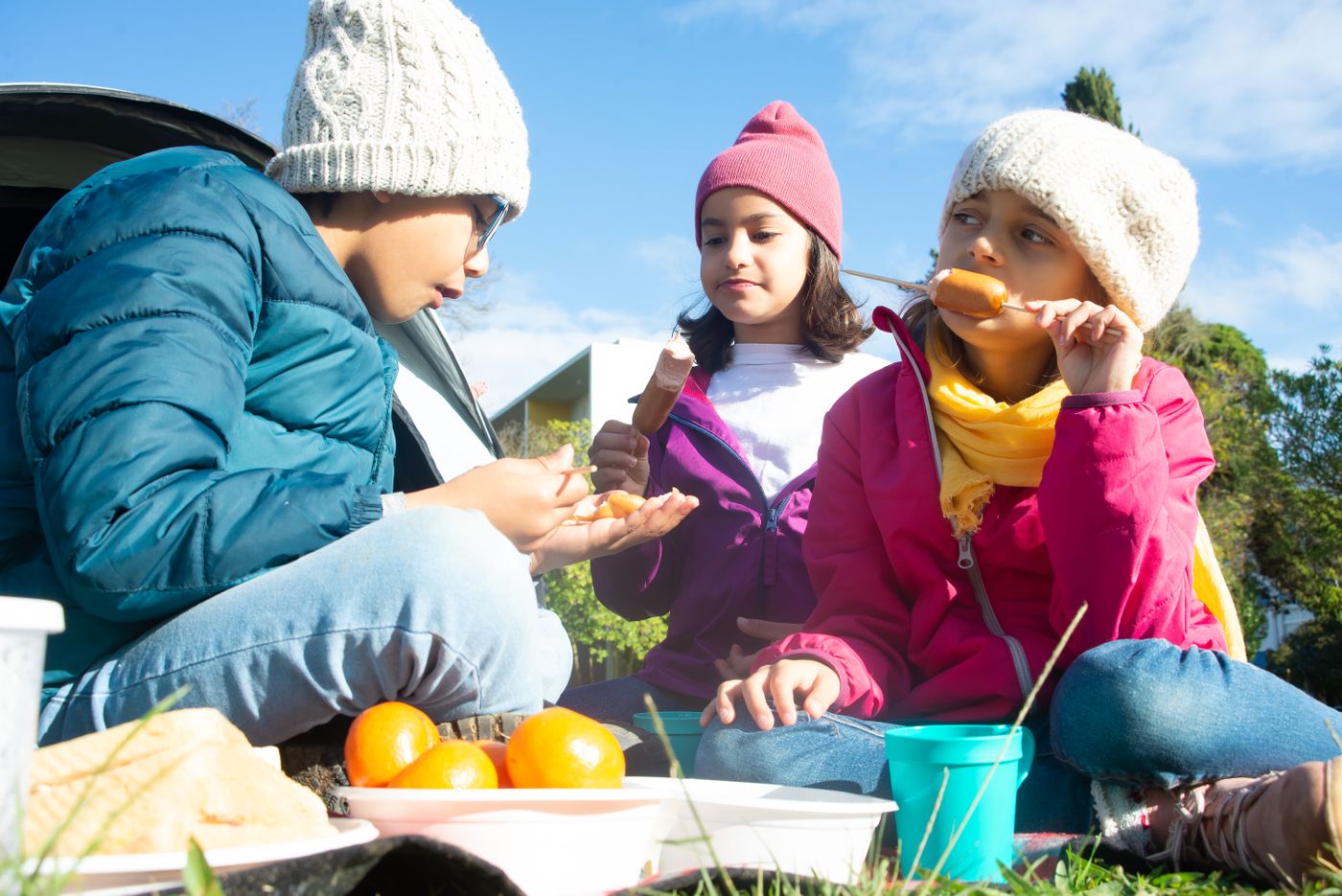
A small invitation with a clear time and place can be easier for another family to answer.
Parenting abroad
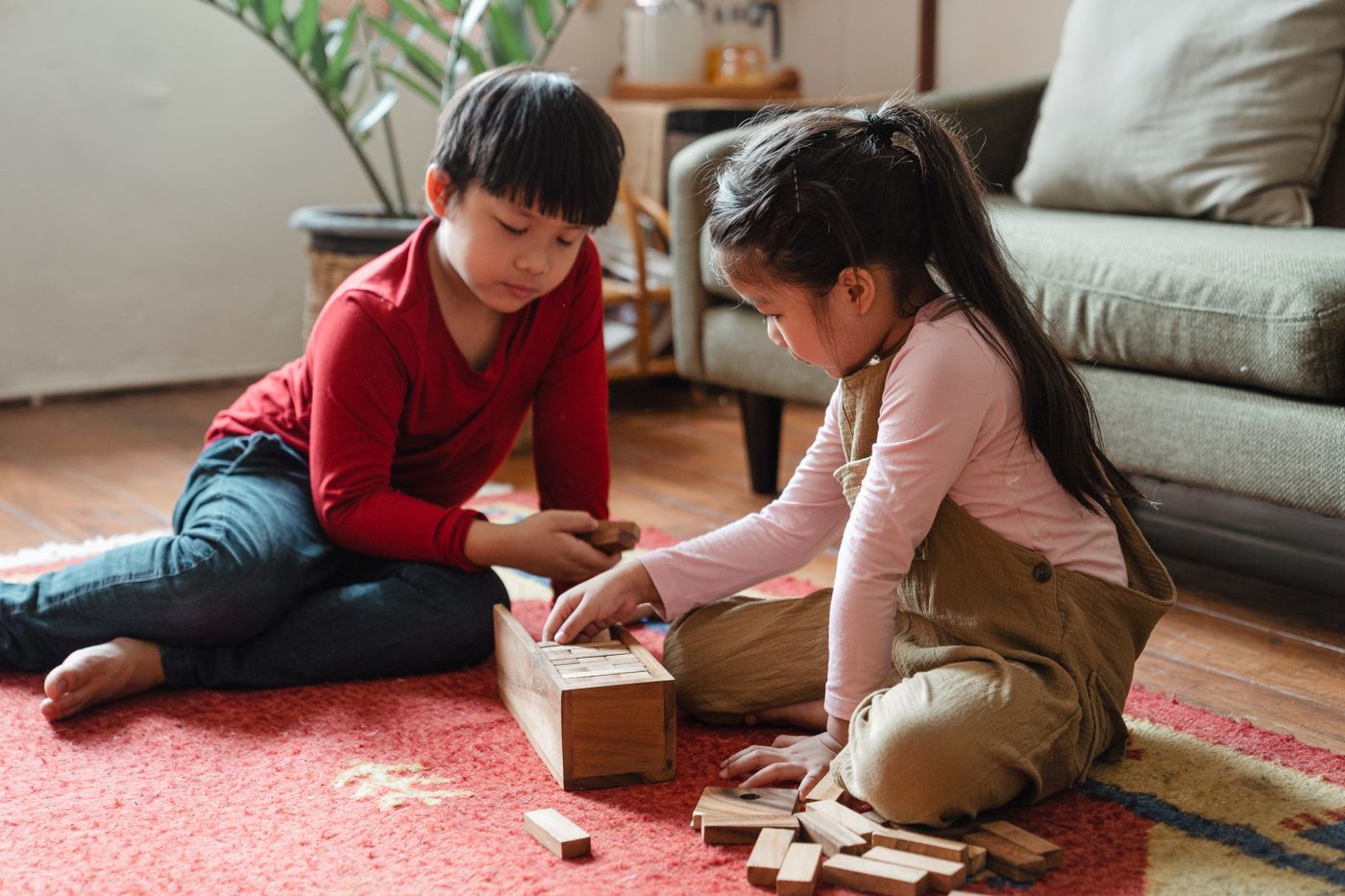
Choose activities children can understand by watching, and keep adults available for the words that matter.
Parenting abroad
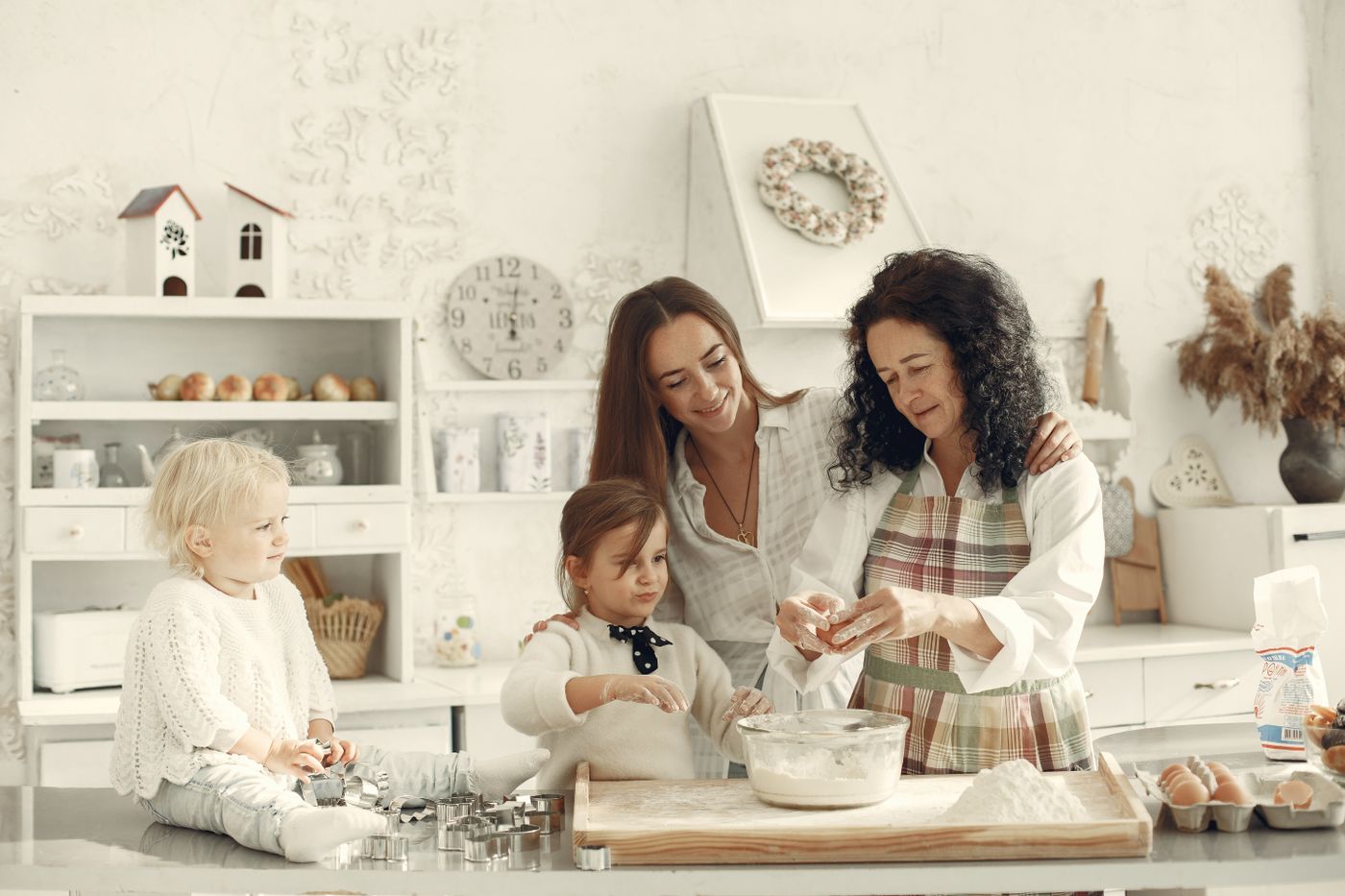
Keep the parts of a tradition that carry meaning for your family, then adapt the rest to the home and calendar you have now.

Parenting abroad
When an important family date is an ordinary working day locally, decide which part needs the date and which part can move.
Parenting abroad
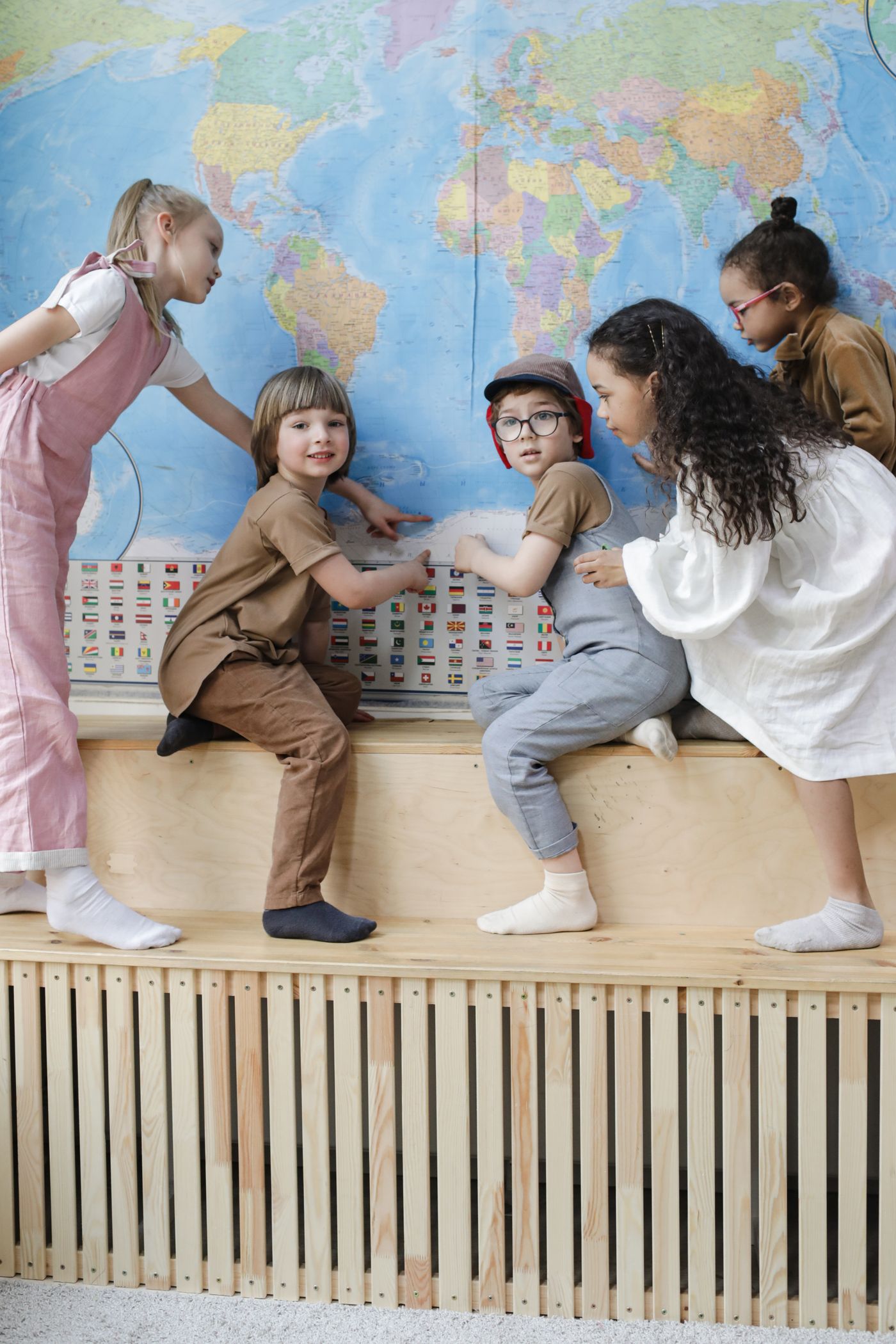
A child’s connection to a place can be more complicated than the short answer an adult expects.
Parenting abroad
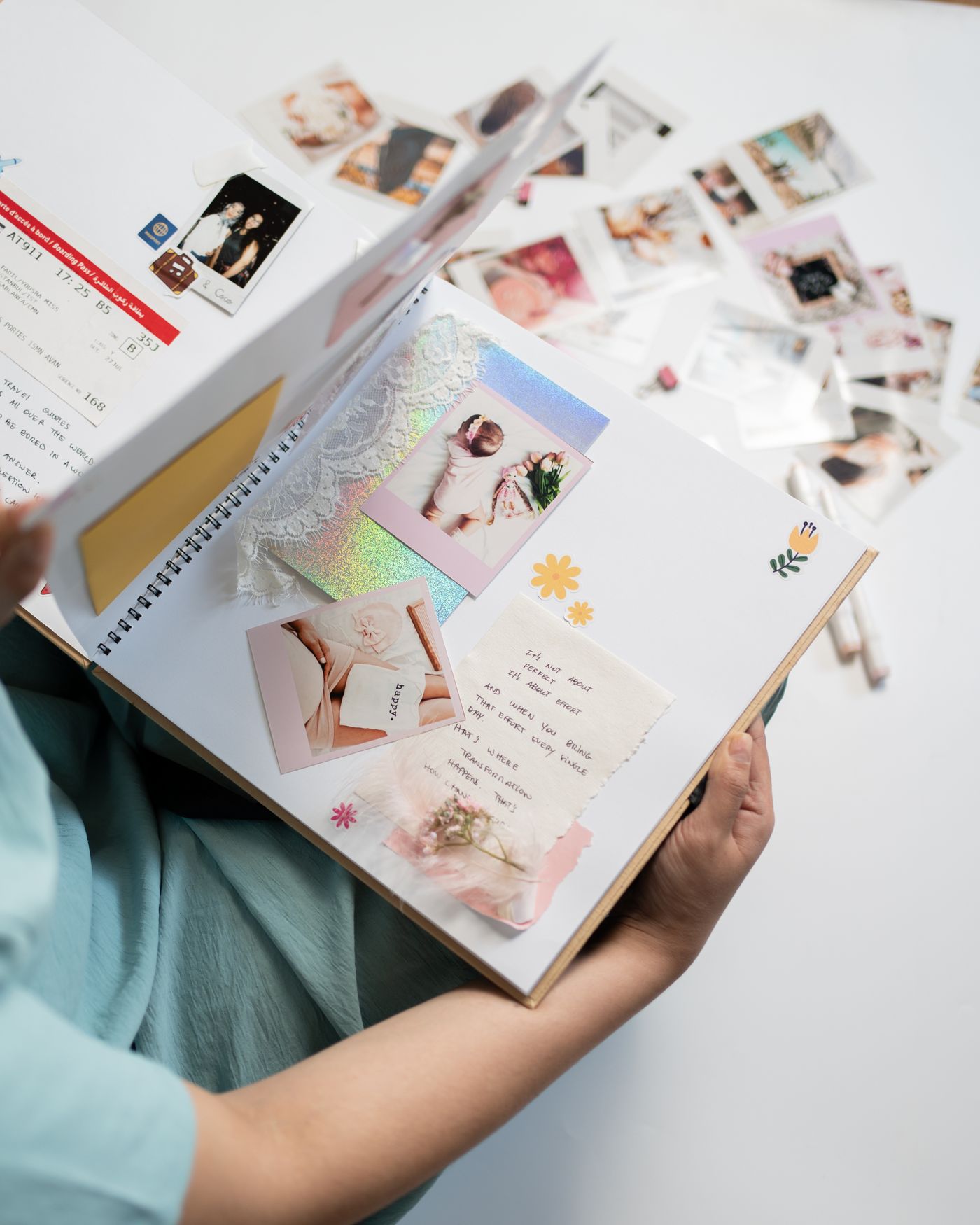
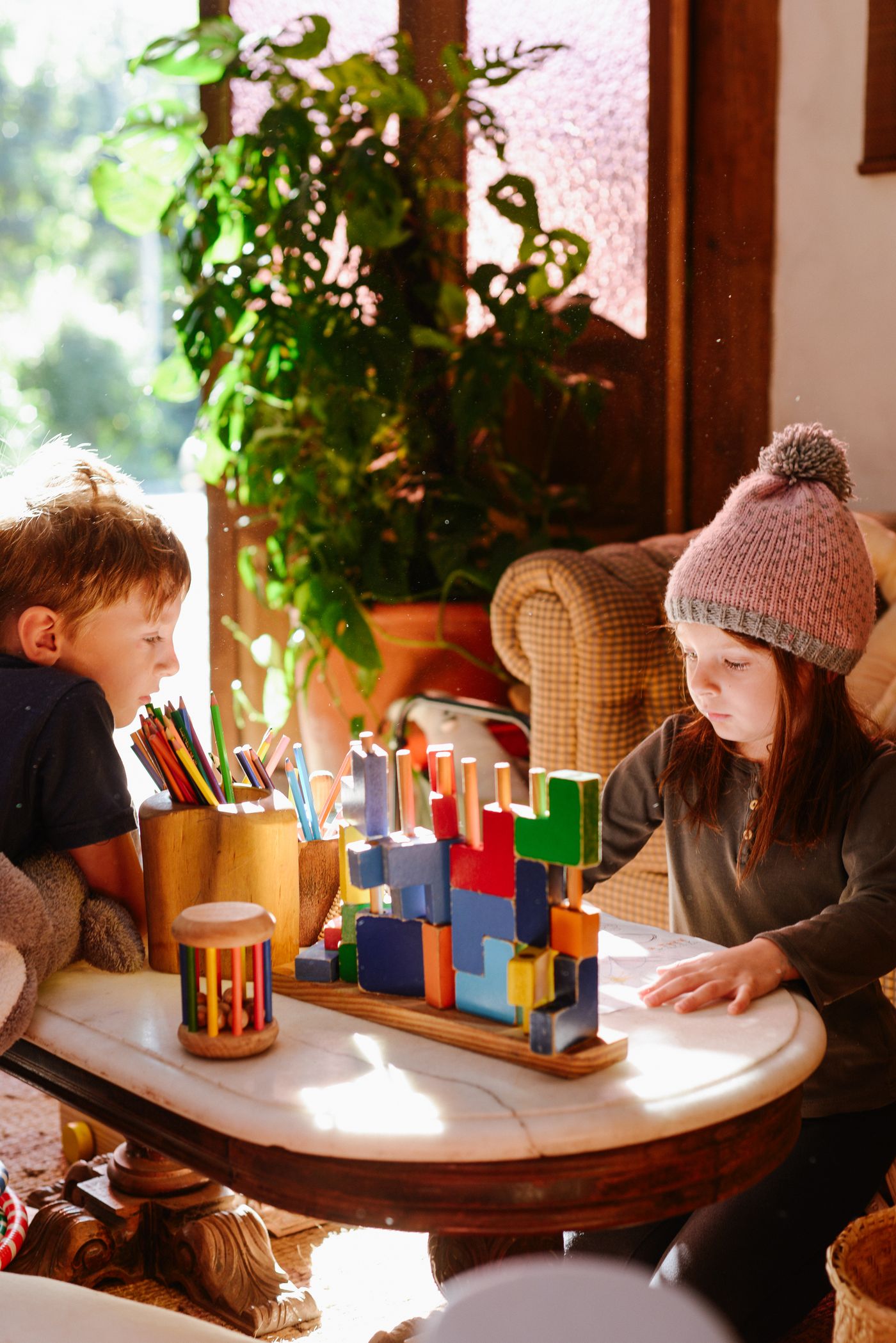
Choose photographs that explain the relationships, routines and places a child wants to remember.
Parenting abroad
Compare each child with their own recent experience, rather than using a sibling as the measure of how a move should go.

Parenting abroad
The journey home can be a transition rather than a debrief. Find out what helps your child arrive before adding another demand.

Parenting abroad
Old friendships can remain part of a teenager’s life while new routines and relationships gradually find their place.

Parenting abroad
Choose a repeated moment that needs little equipment and can survive a change of home.

Parenting abroad
Choose the kind of celebration your child wants and the scale you can manage before deciding how many people to invite.
Parenting abroad
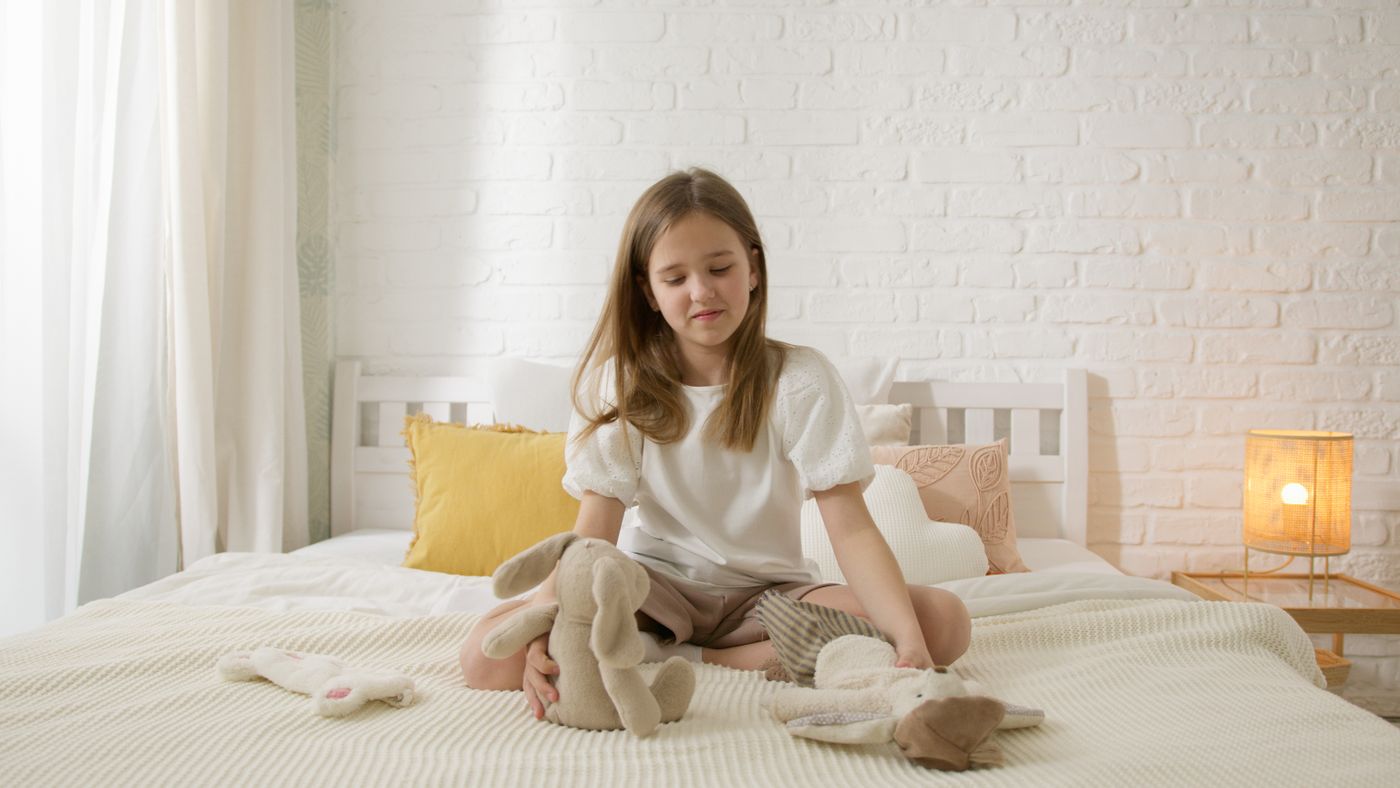
Offer choices that affect how the room works, while keeping spending, safety and rental limits with the adults.

Parenting abroad
A child may enjoy sharing a new word. Adults still need their own way to handle important conversations, decisions and private information.

Parenting abroad
Questions about belonging are easier to answer when they concern a place, a person or a moment instead of the whole move.
Parenting abroad
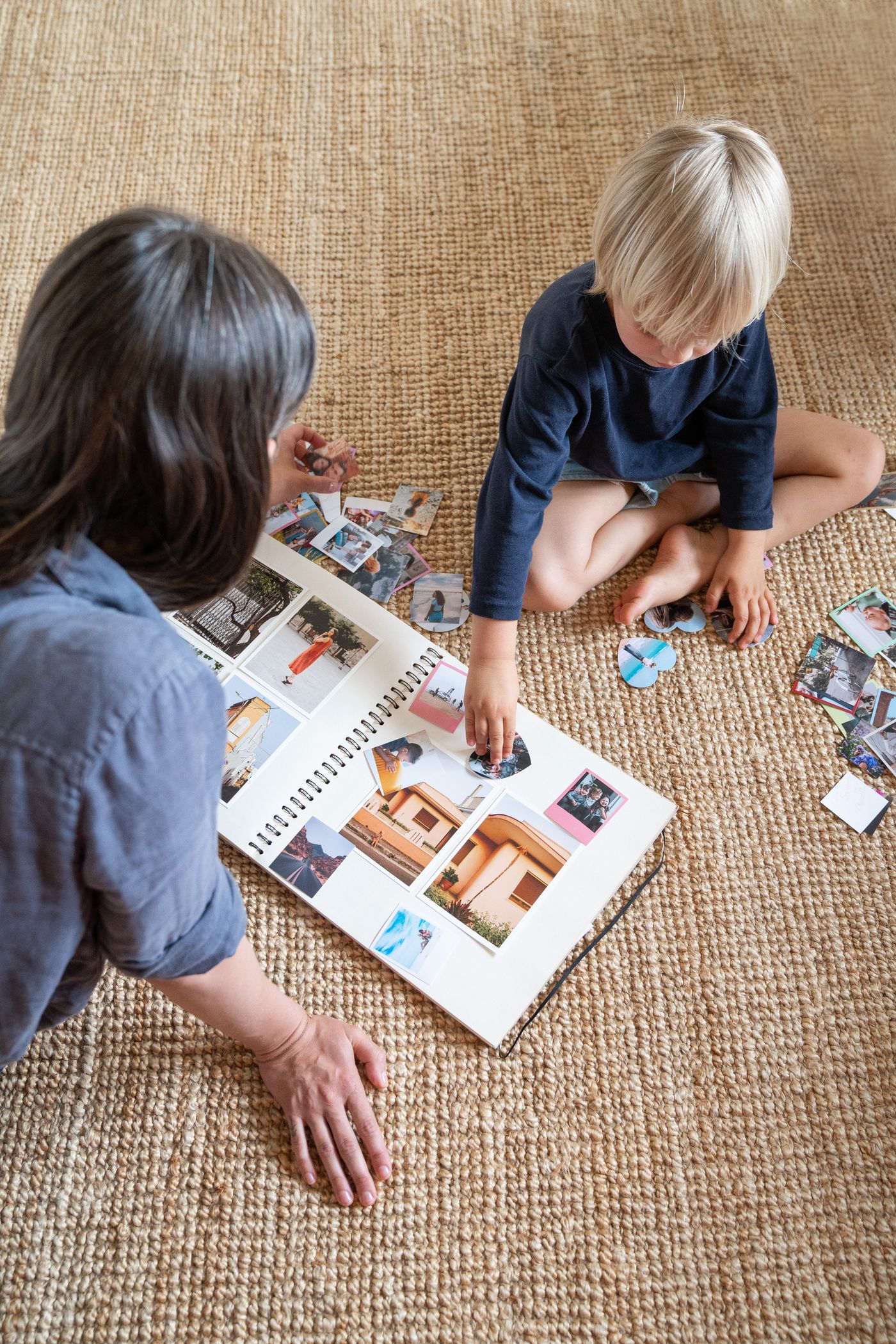
A scrapbook can keep the small details of family life that disappear between the bigger photographs.

Parenting abroad
Children notice differences. You can help them ask about a particular practice without turning it into a judgement about a whole group.

Parenting abroad
A friend’s departure changes the new place too. Help children say goodbye and decide what contact they would like afterwards.
Parenting abroad
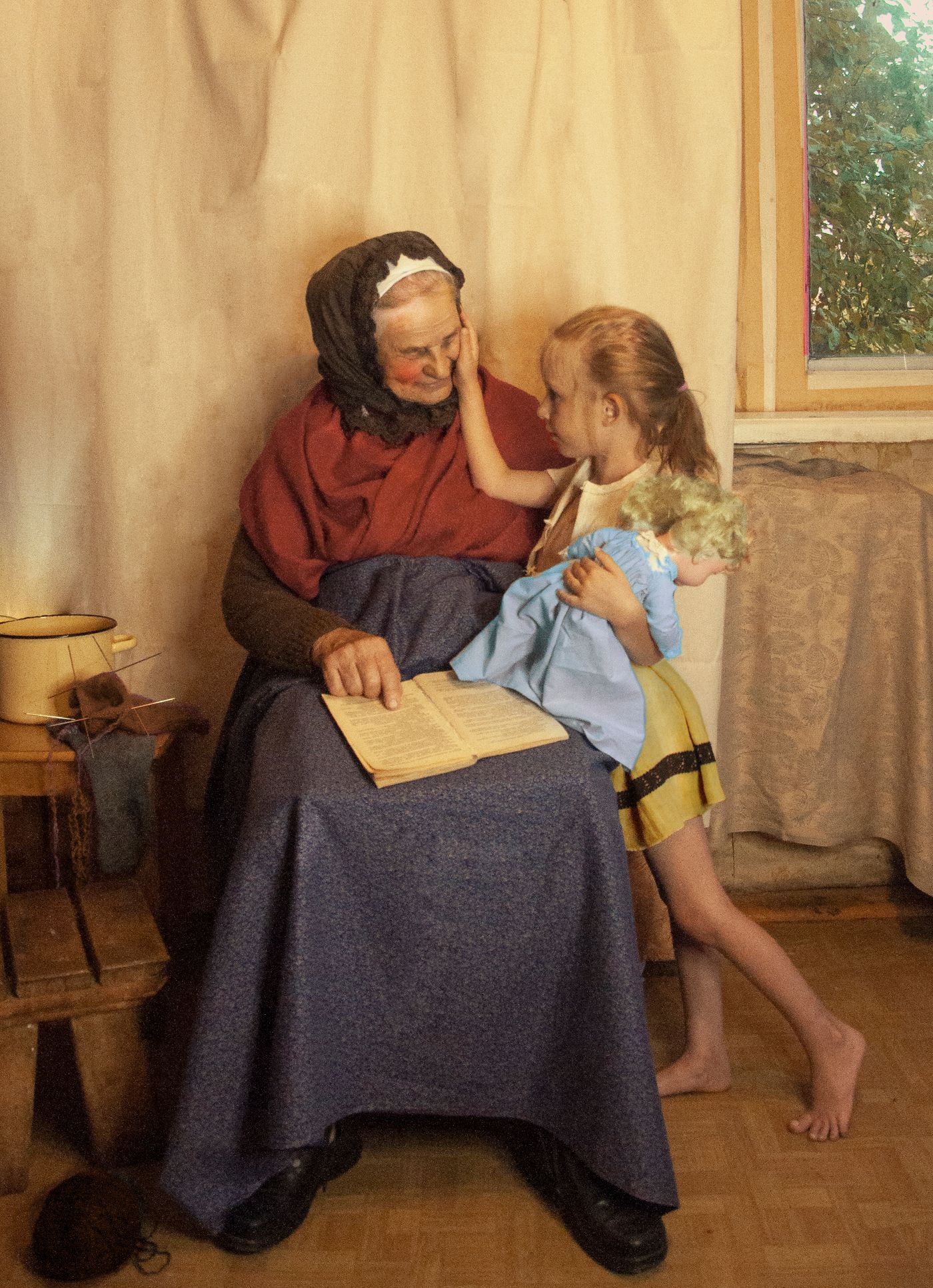
A return visit can be familiar and different at the same time. Give children a picture of what this trip will actually include.

Parenting abroad
Familiar programmes and games can stay in family life, with clear arrangements for access, timing and the rest of the day.

Parenting abroad
Build an adult route into school information so your child is not the only person explaining what happens there.
Parenting abroad
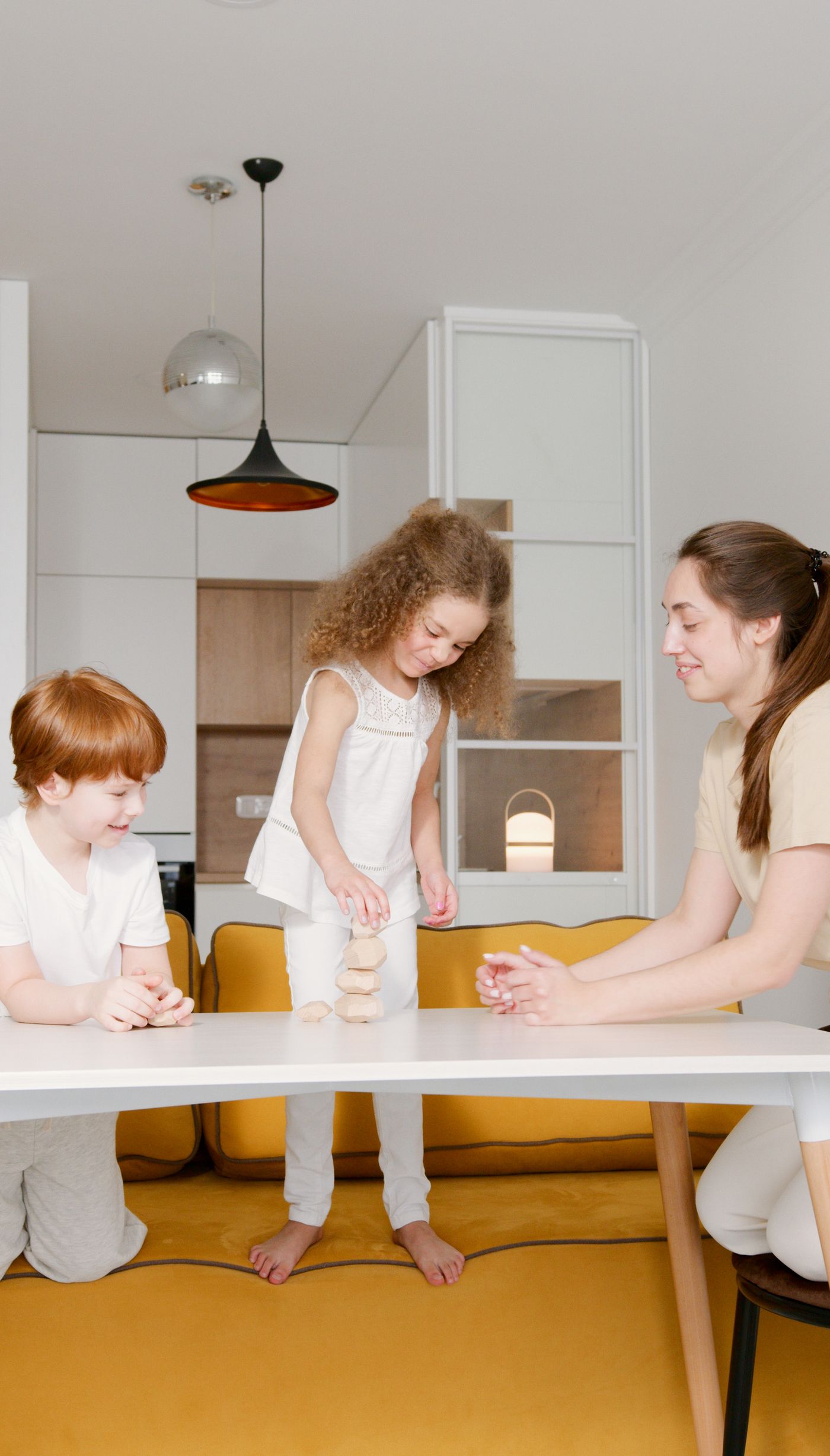
A brief check-in can help the household notice what needs adjusting without asking everyone to deliver a report on their feelings.
School & childcare
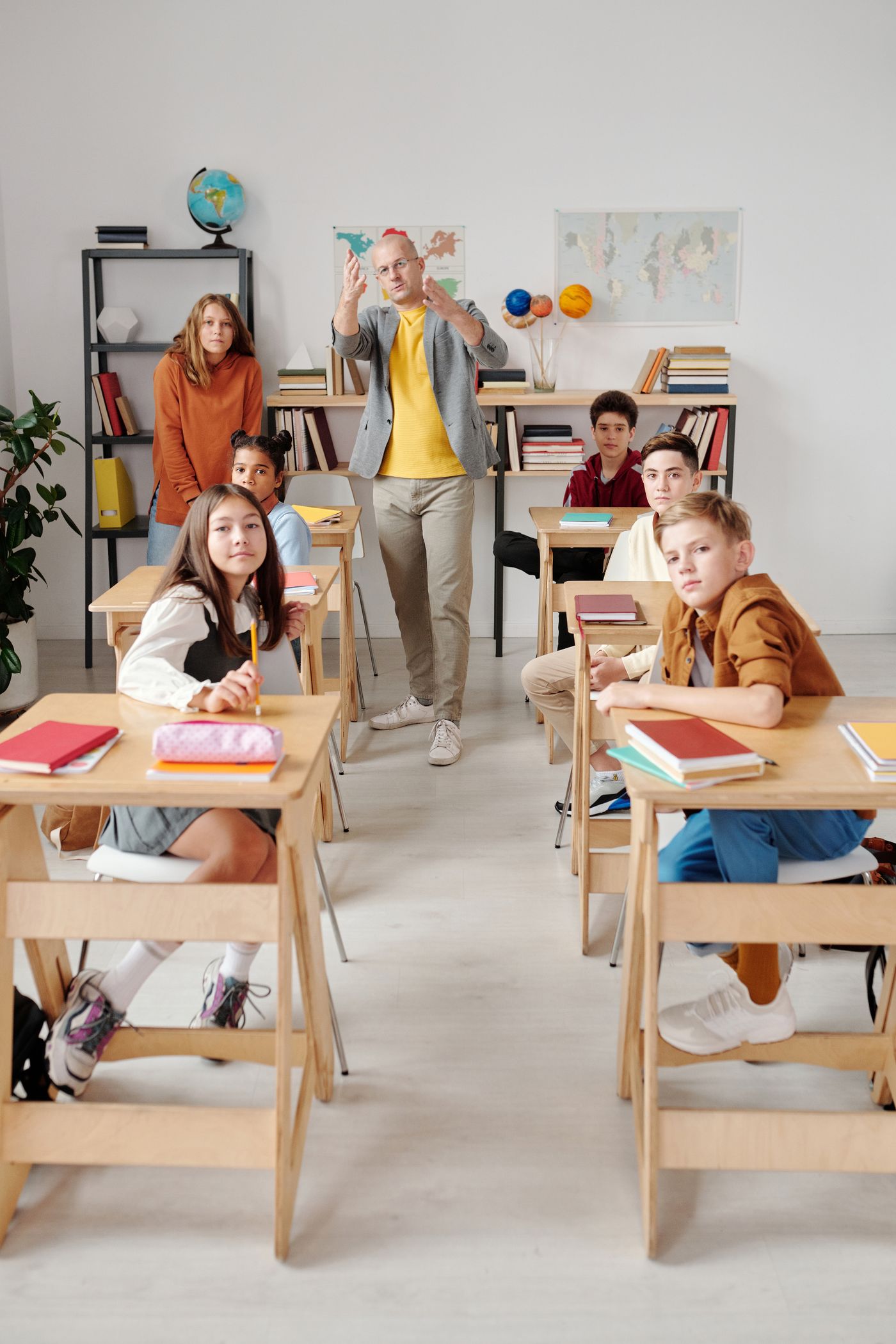
A school tour becomes more useful when you can picture your child arriving, learning, eating lunch and finding help.
School & childcare
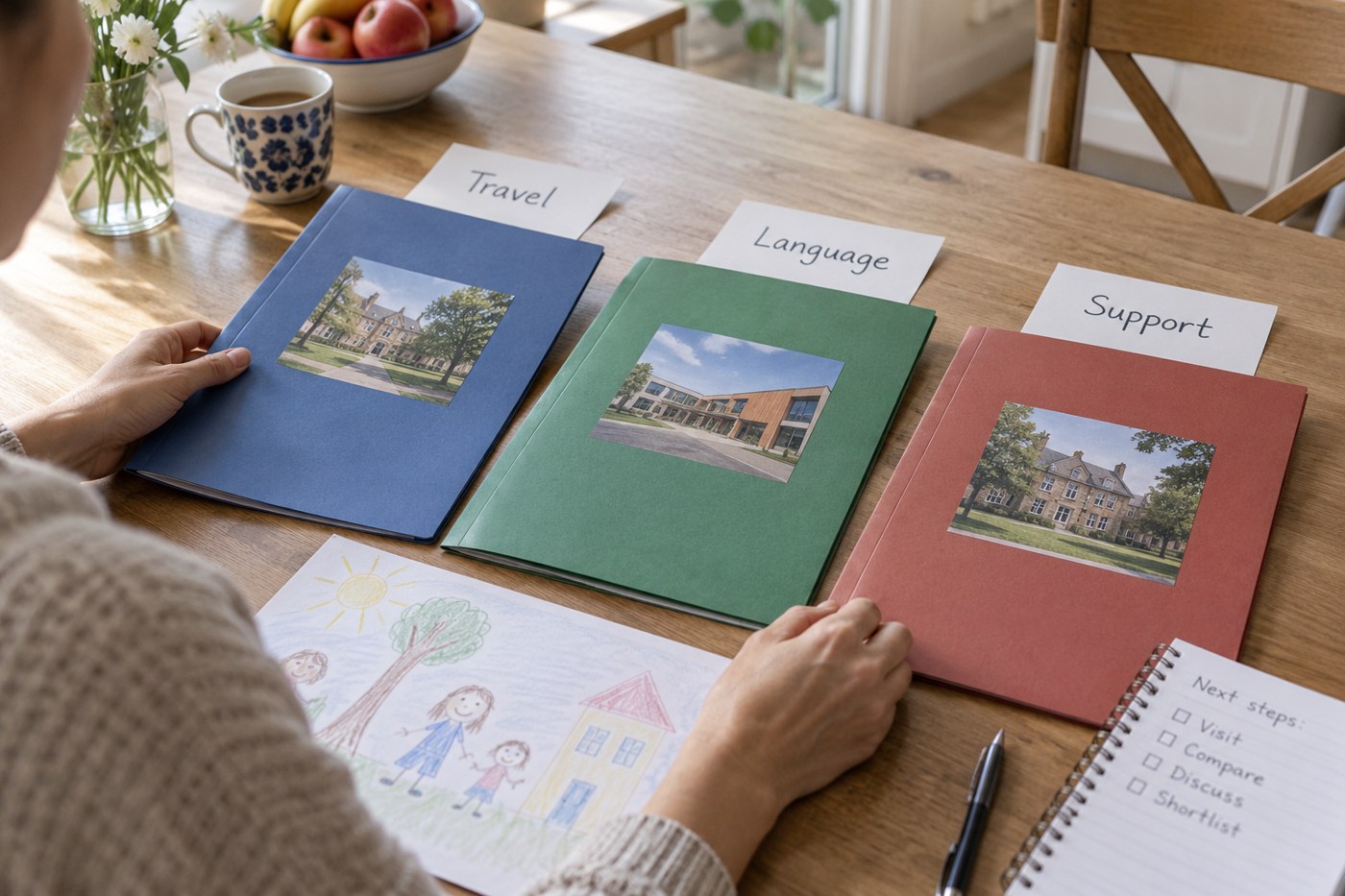
Begin with the conditions your child needs for an ordinary school day, then find out which schools can actually meet them.

School & childcare
School labels are a starting point. Compare the daily provision, entry arrangements and future pathways behind each one.

School & childcare
One record of dates, documents and decisions can keep several applications understandable.
School & childcare
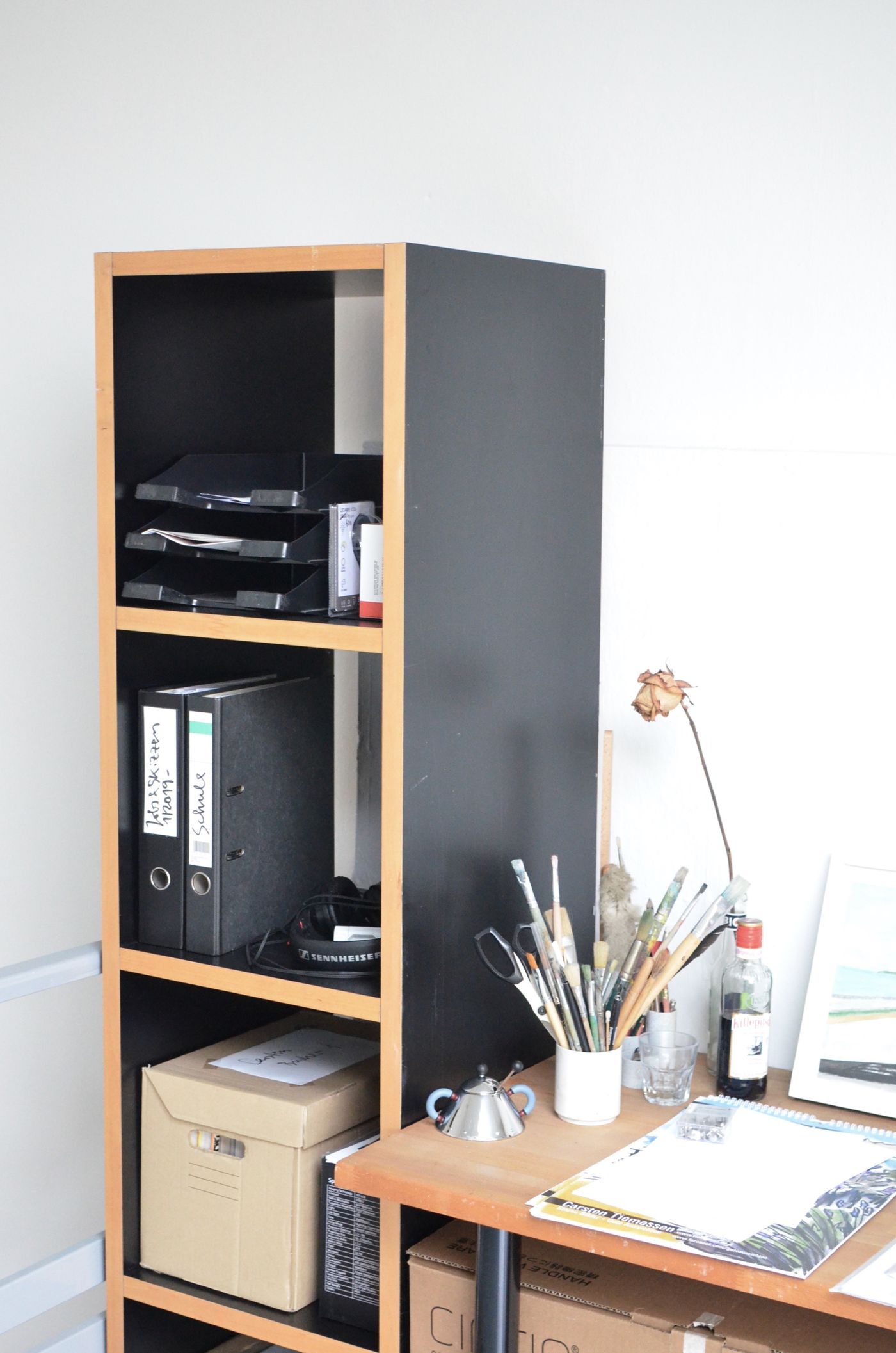
Ask for the receiving school’s requirements before requesting translations or sending a large bundle of personal records.

School & childcare
Bring a few observations that help the teacher know your child, and leave with a clear way to continue the conversation.

School & childcare
Prepare the parts that make the first mornings work, and leave room to learn the school’s routines once your child is there.
School & childcare
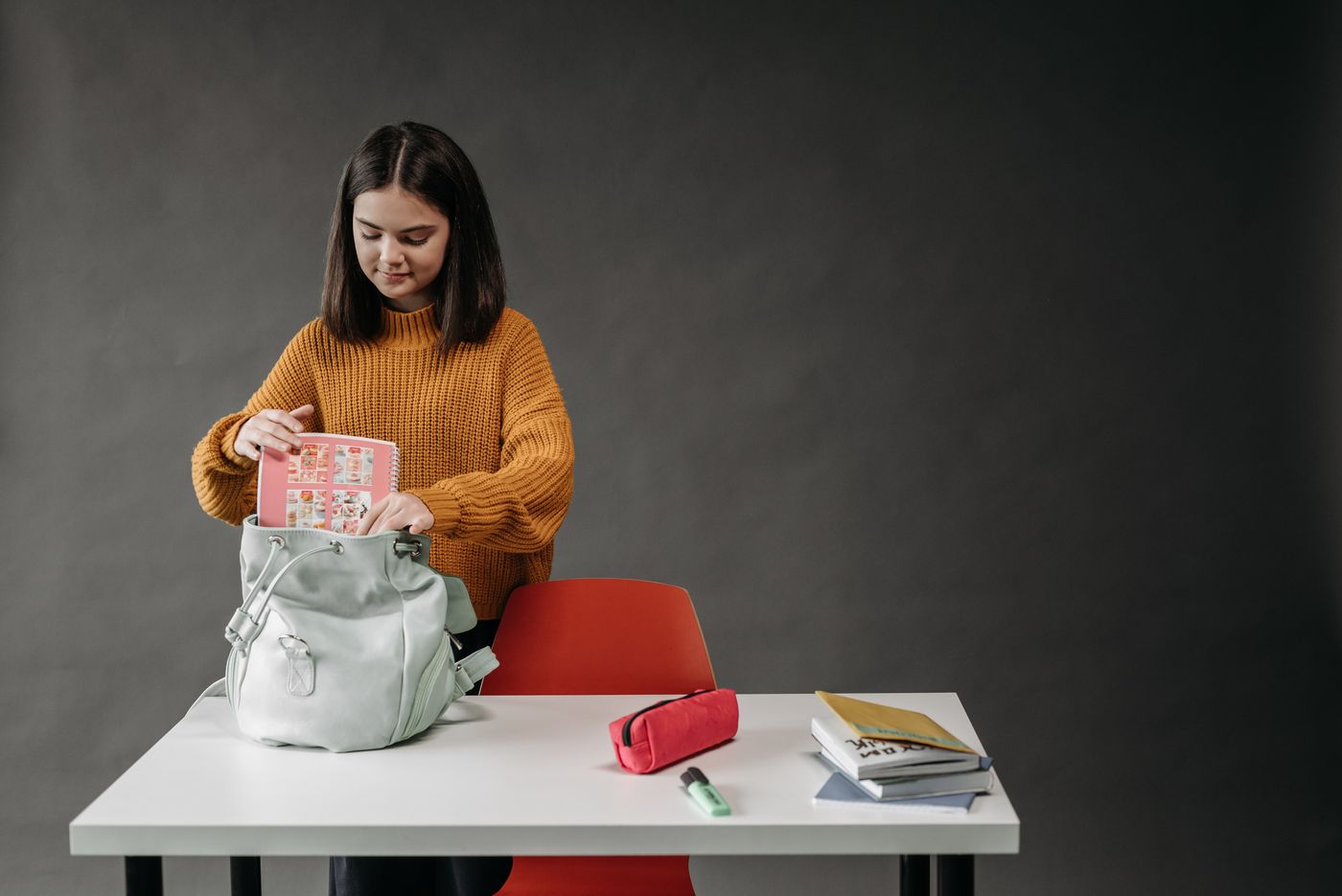
Start with the school’s requirements, then make the bag easy for your child to find things in and carry.

School & childcare
Check the exact requirements, fit and replacement options before buying a full wardrobe of school clothes.
School & childcare
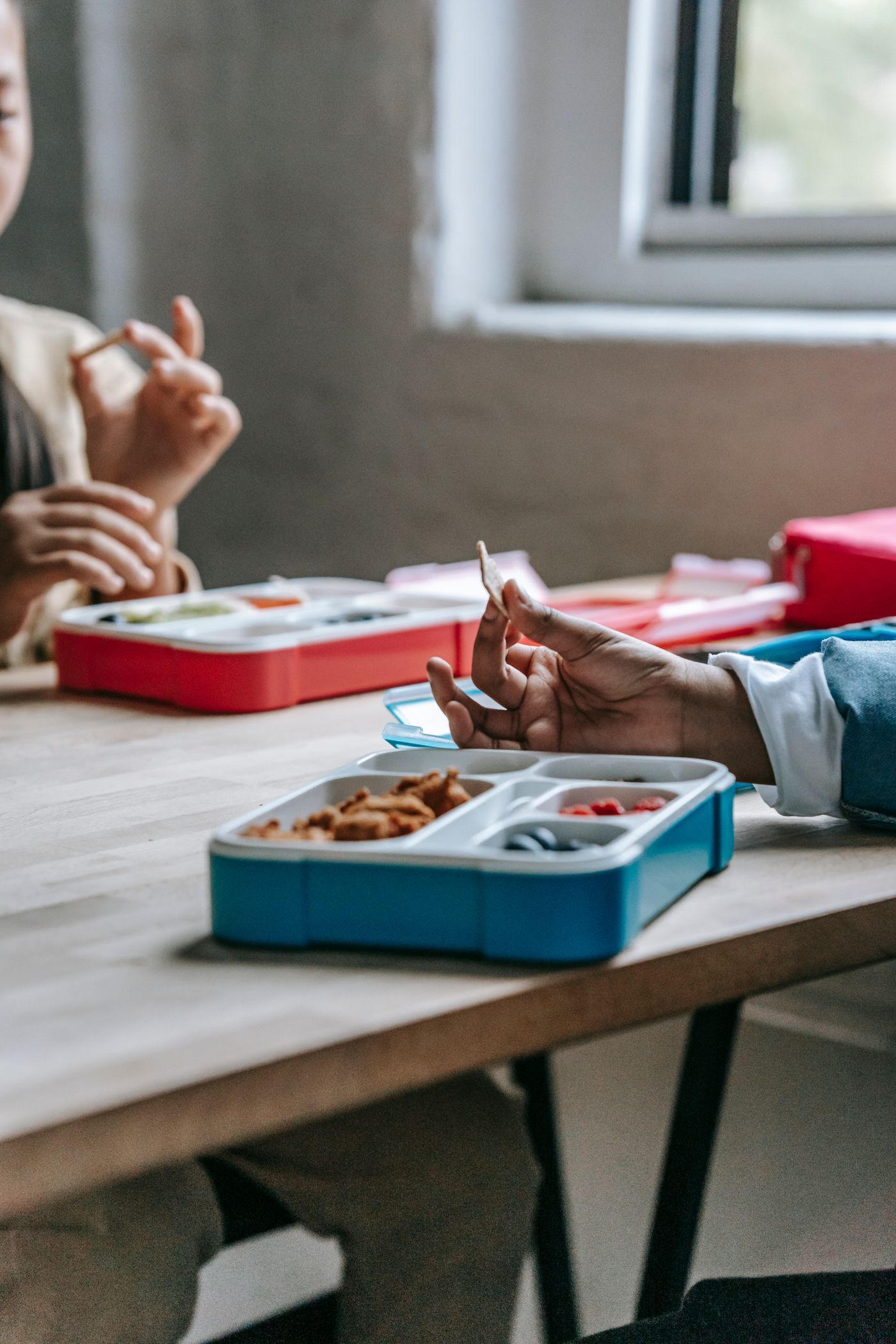
Lunch arrangements are part of learning a school. Check the process as well as the food before the first day.
School & childcare
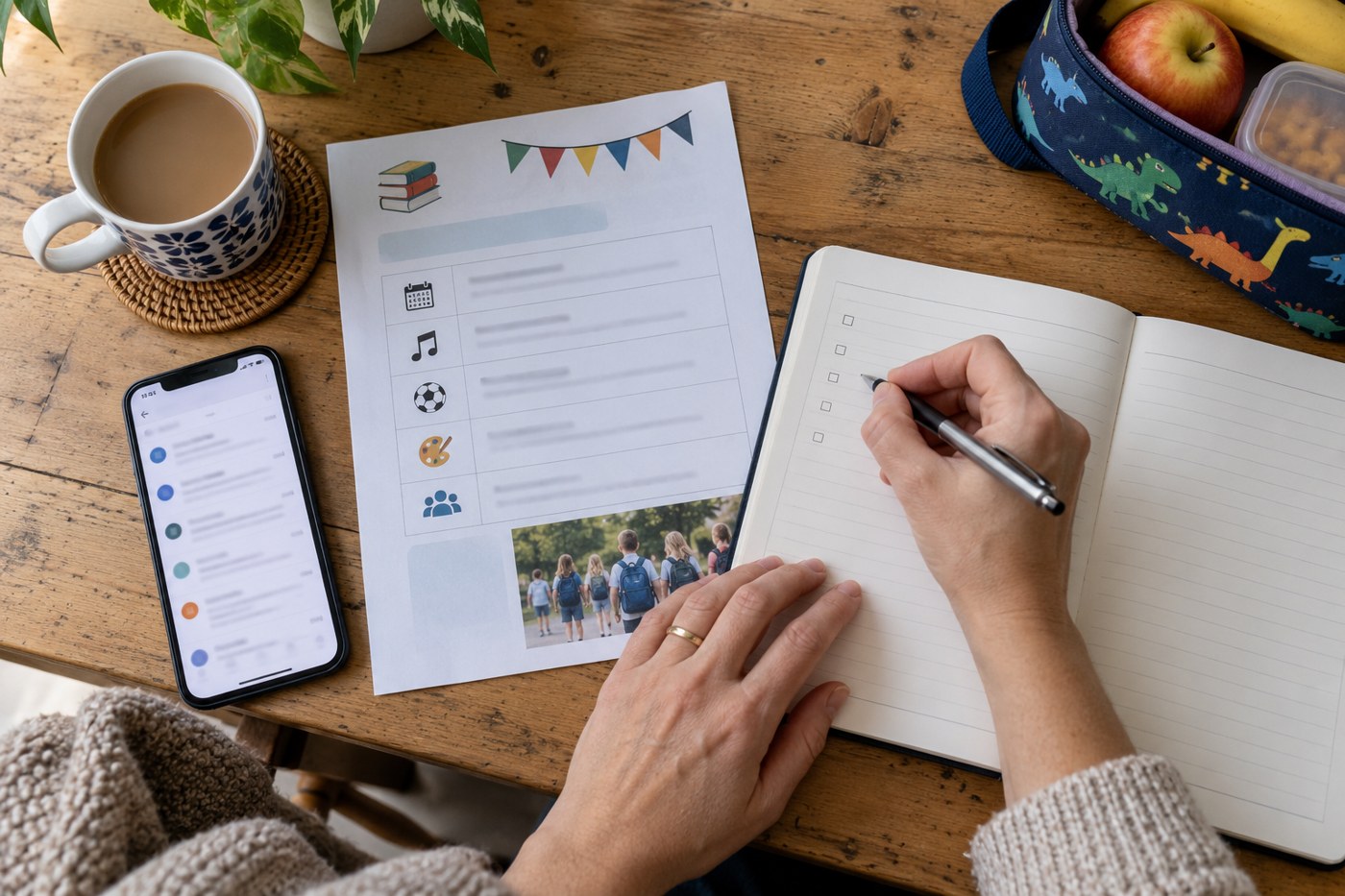
Separate messages that need action from information you only need to read, and give each task an owner.

School & childcare
Make it easy for a teacher to identify your child, understand the issue and see what answer you need.

School & childcare
Arrange language support early and give the meeting enough room for questions, interpretation and a clear written outcome.
School & childcare
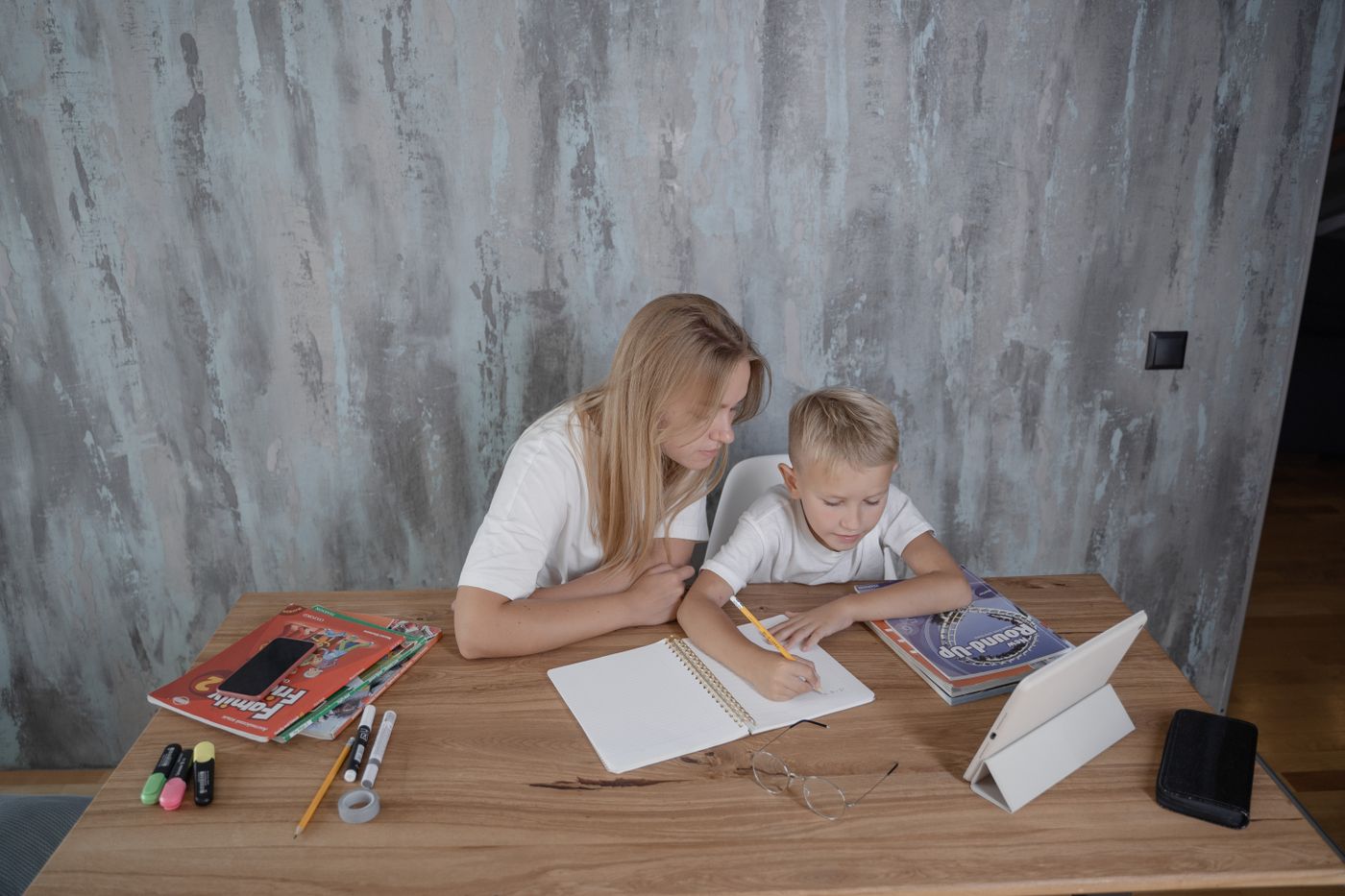
Separate understanding the task from doing the work, and ask the school what help is appropriate.

School & childcare
School dates matter most when the household can see what they change: care, travel, transport and time off.

School & childcare
Look beyond the journey time to supervision, handover, communication and what happens when the usual plan changes.
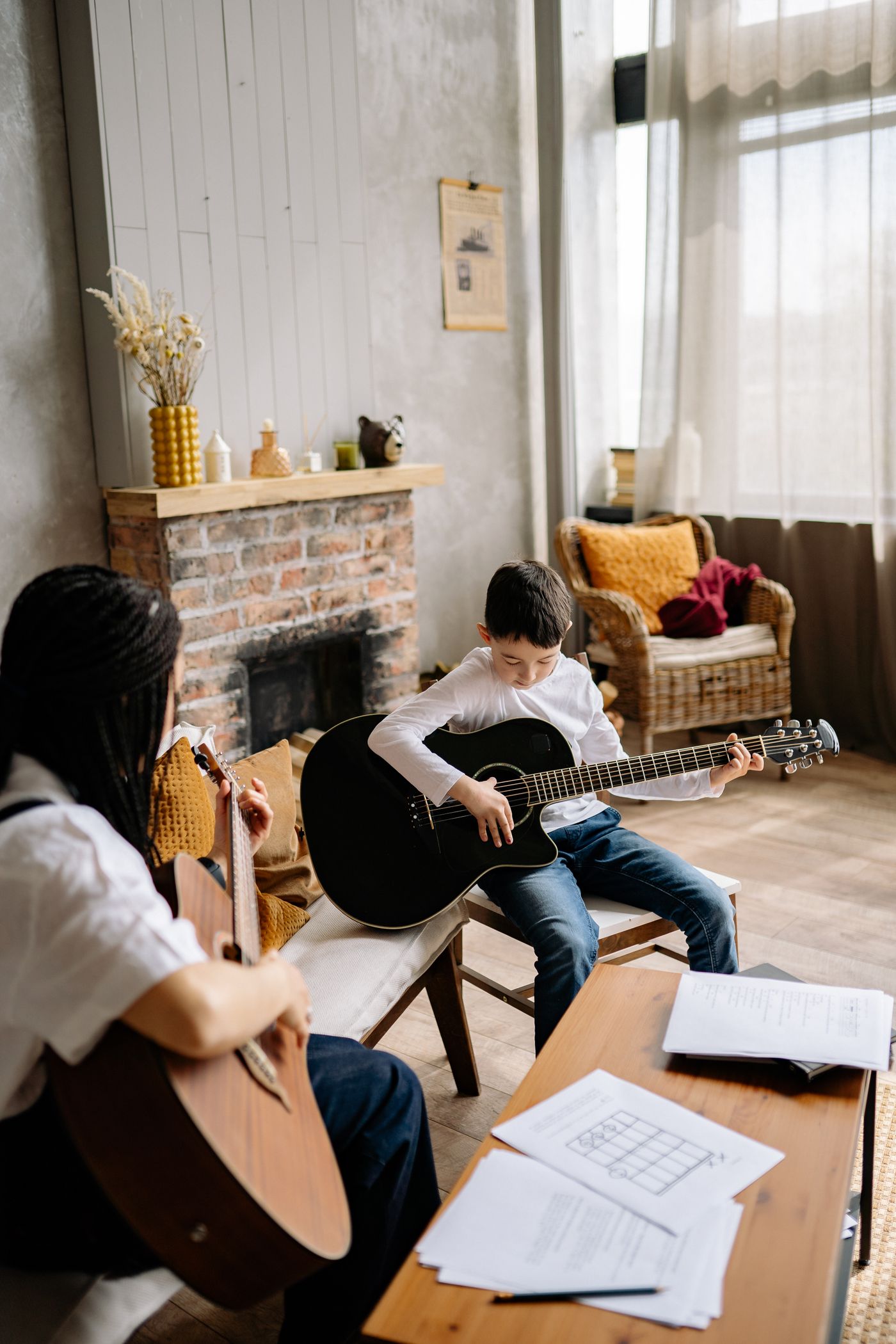
School & childcare
Choose activities around the child and the whole journey home, then see how the week feels before adding more.
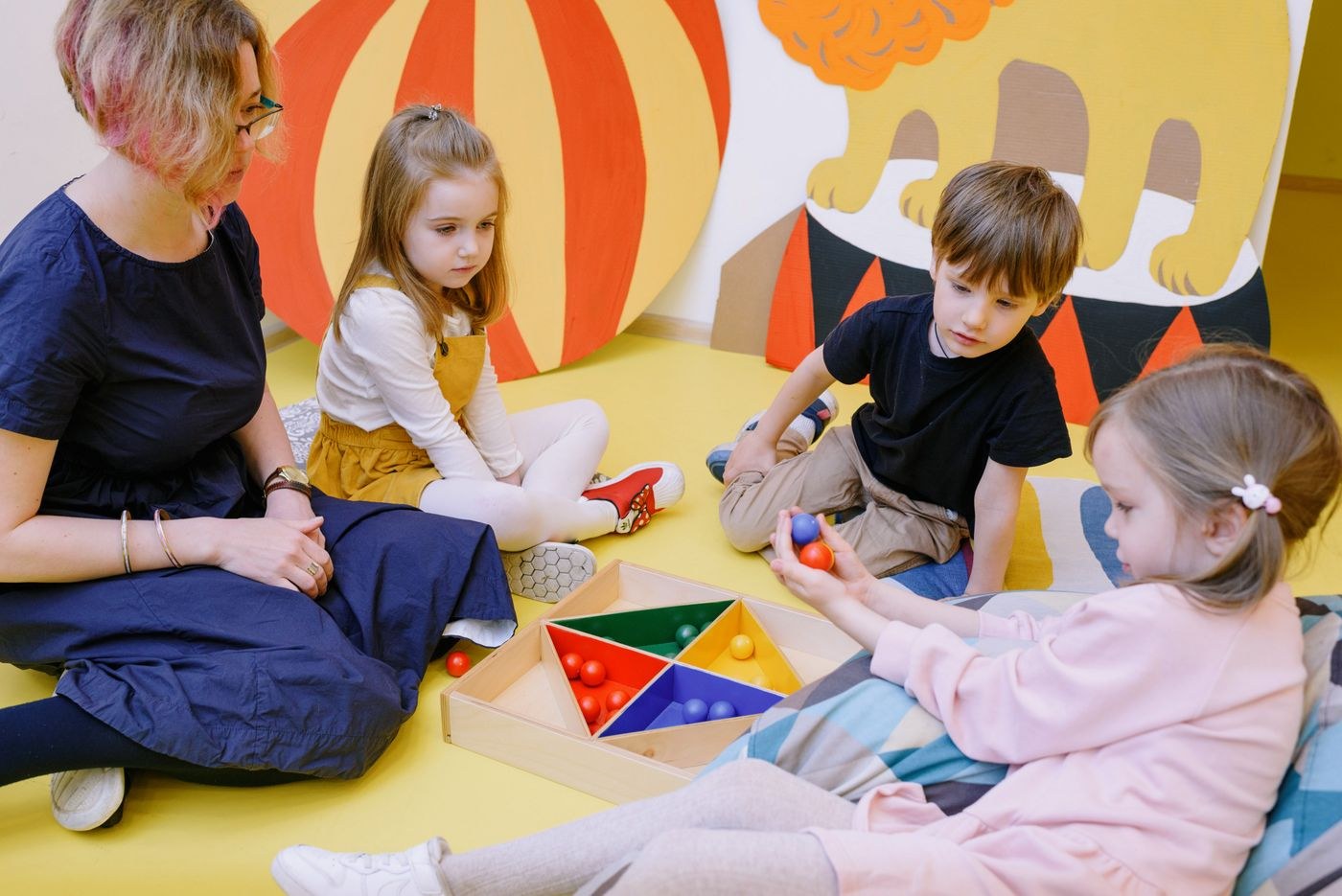
School & childcare
Look beyond the tour and notice how children and adults move through an ordinary part of the day.
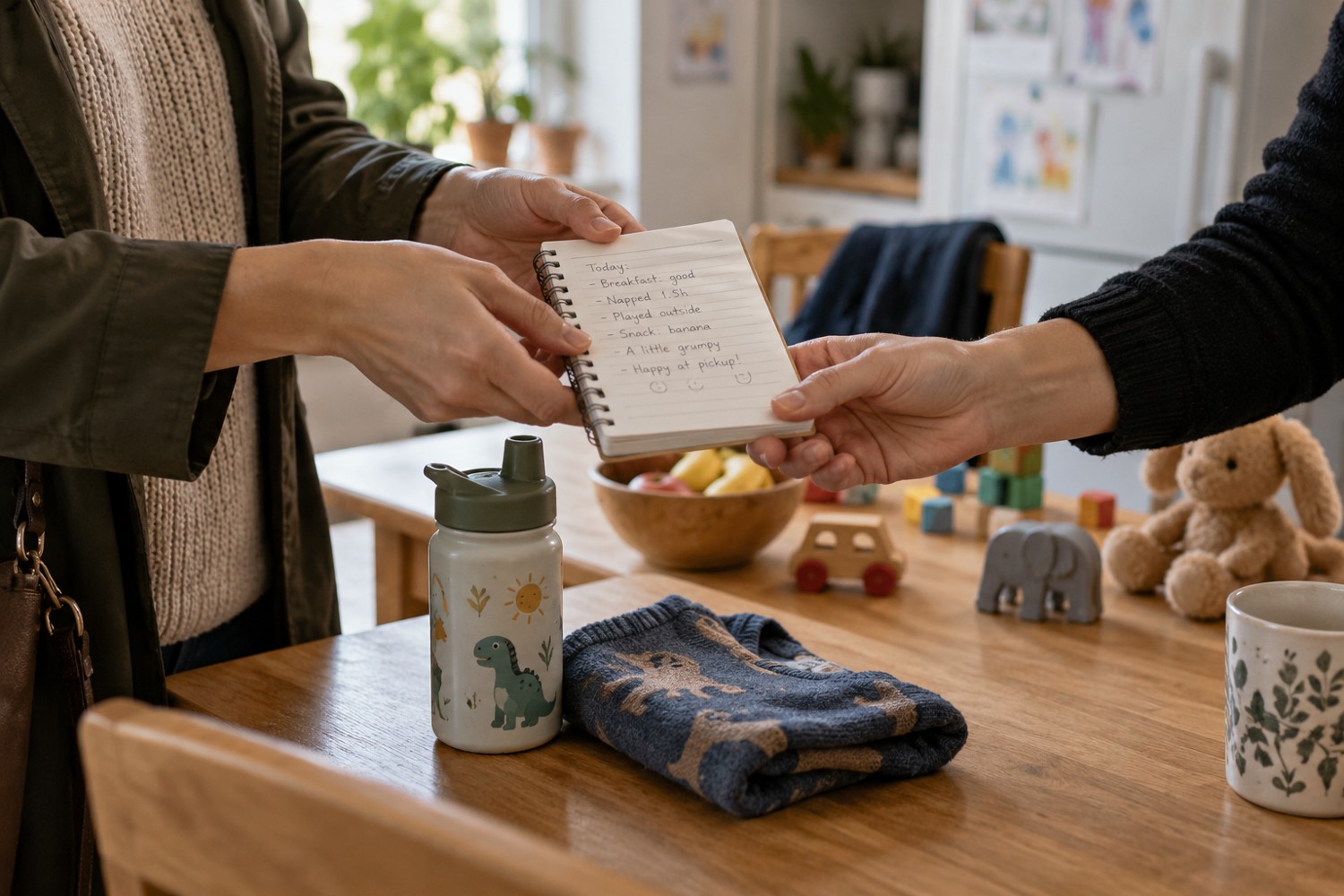
School & childcare
A short note should make the next few hours clear, without asking a carer to search through the whole family history.
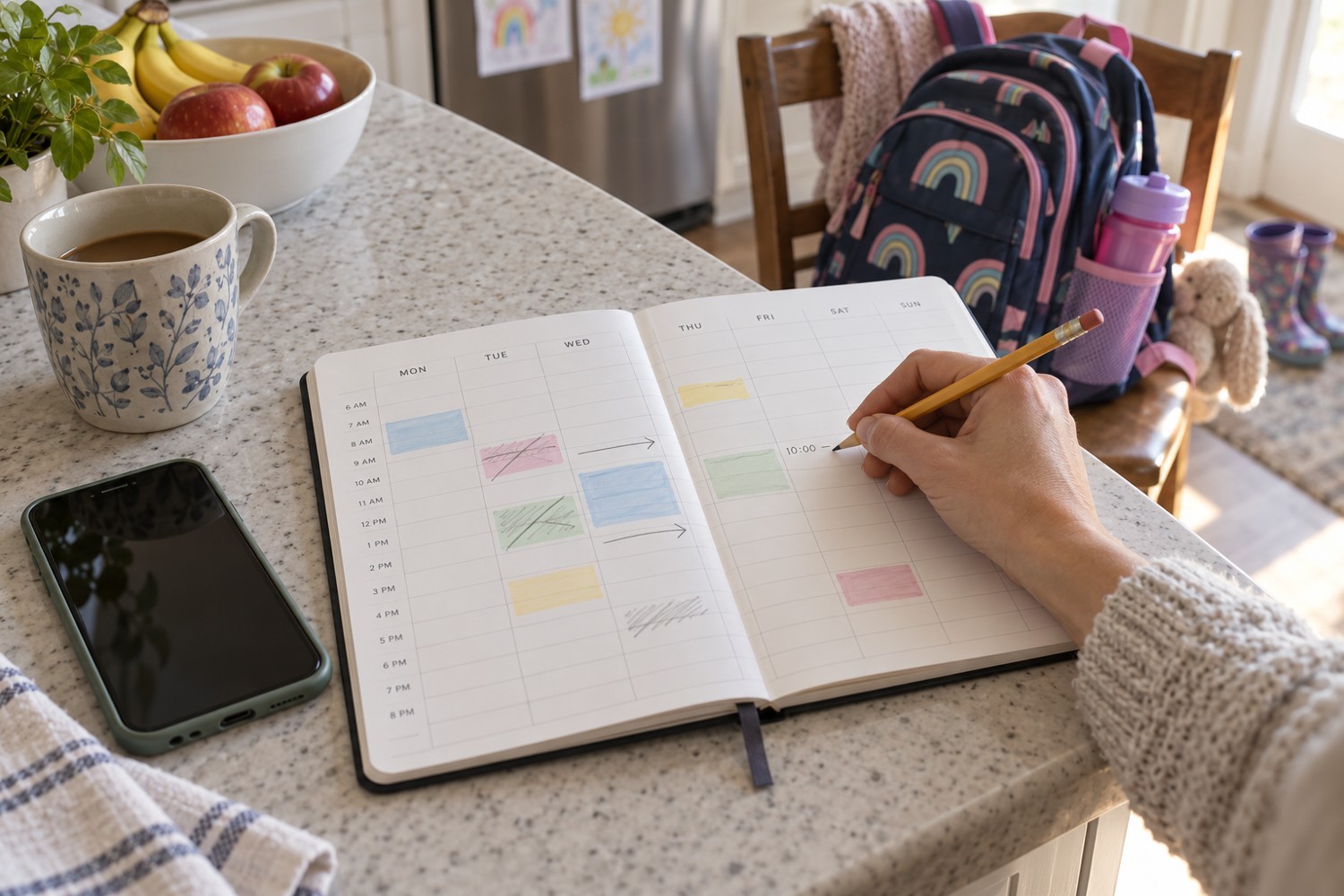
School & childcare
A backup arrangement works better when the people, hours and handover have been discussed before a cancellation.

School & childcare
You can join the conversation and contribute something small without becoming responsible for the whole group.
School & childcare
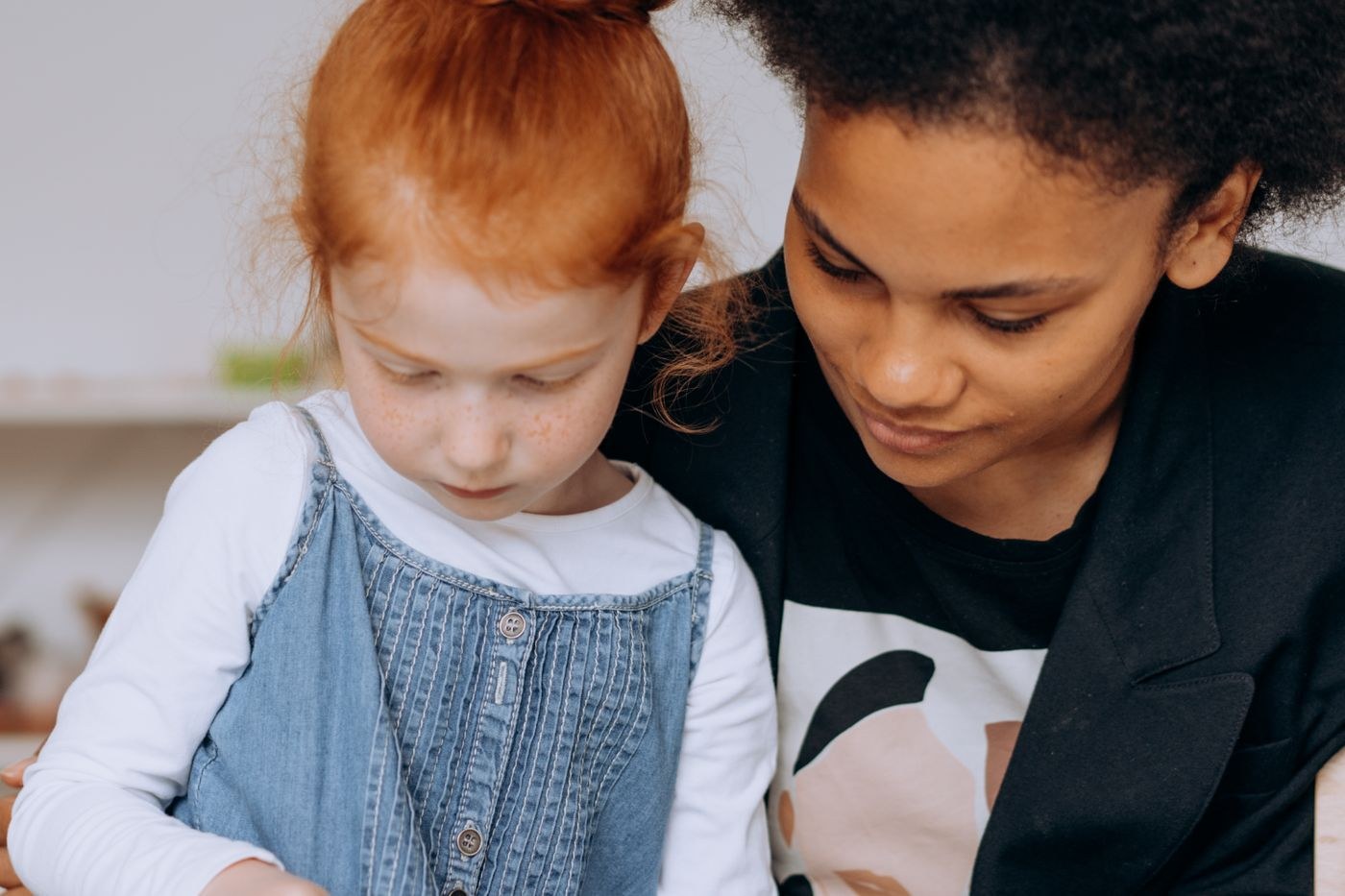
Bring examples of what your child finds difficult, what helps, and what you want to understand next.

School & childcare
A child joining midyear needs the information other pupils learned gradually, as well as a place in the class.
School & childcare
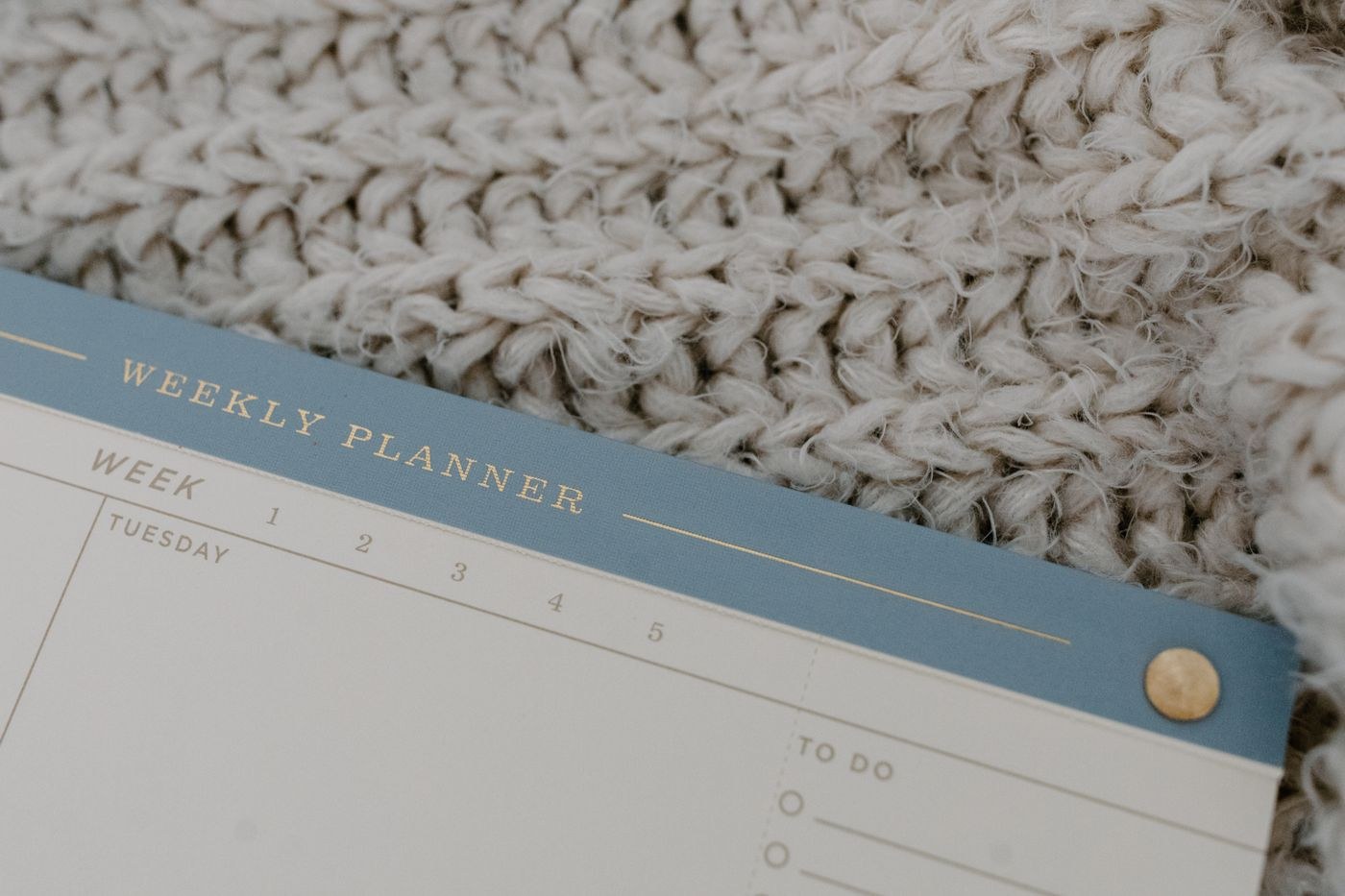
Map the uncovered hours before you choose camps, leave dates or favours from friends.
Family travel
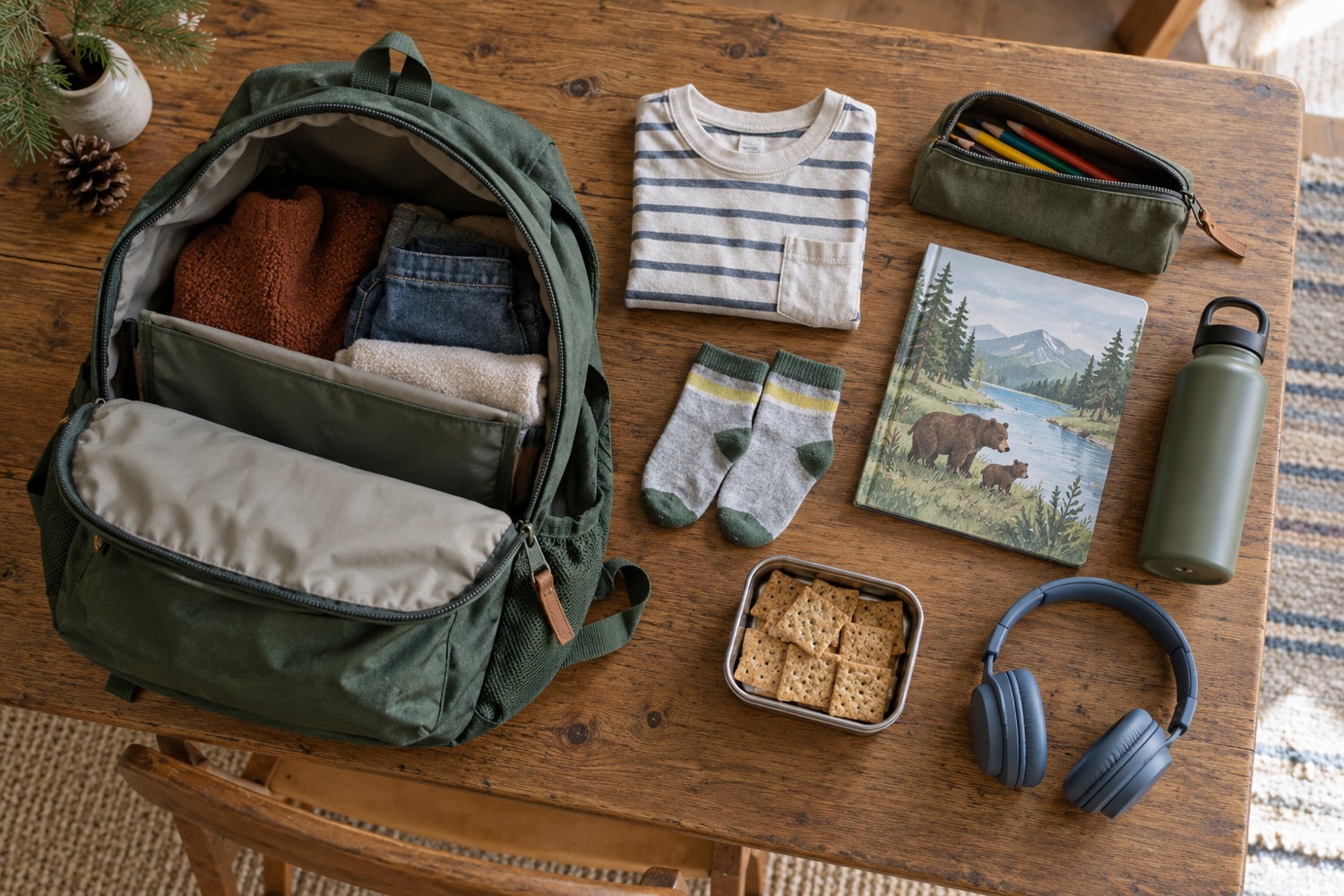
Organise the bag around what you will reach for in a queue, at your seat and after a spill.

Family travel
The difficult part is often the handover between tasks: dropping bags, passing security and finding the next place to wait.

Family travel
Look at family seating, child restraints and the operating airline before comparing the final price.

Family travel
A family booking can contain several different document requirements. Make the checks person by person and journey by journey.
Family travel
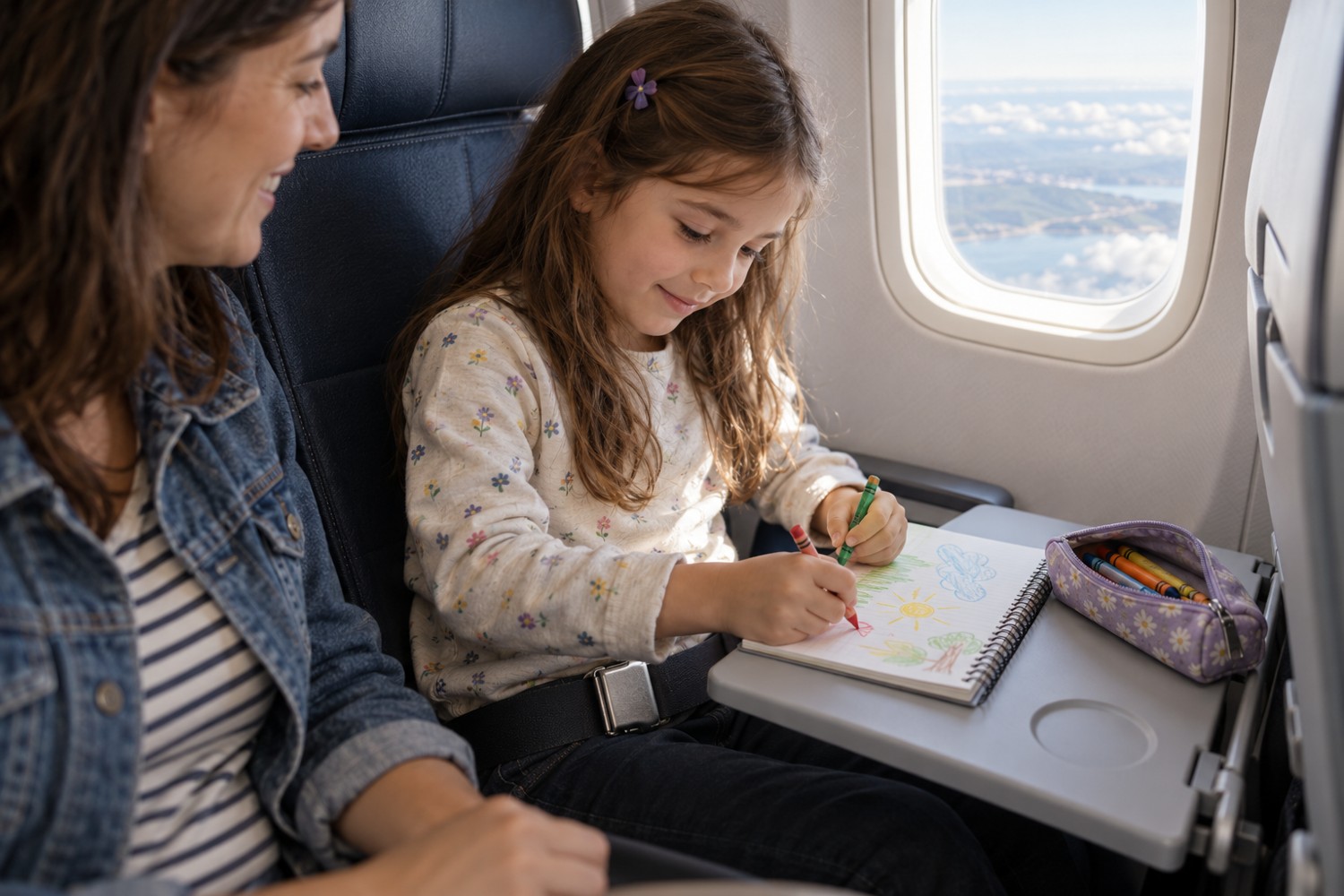
A good flight activity is easy to start, stop and put away when the tray table suddenly needs to be cleared.
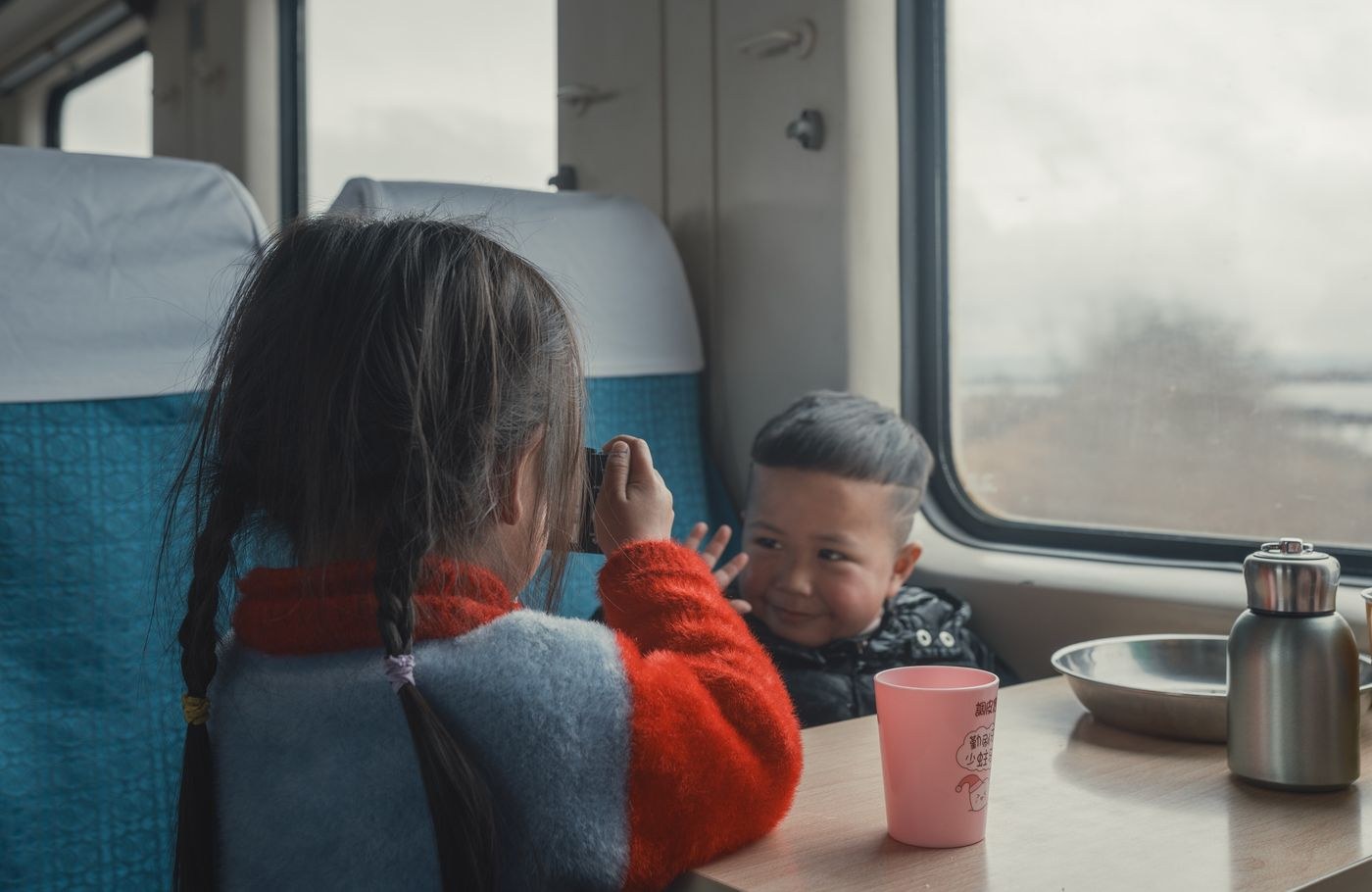
Family travel
Check the station, ticket conditions and luggage arrangements before planning what you will do on the train.

Family travel
Use the actual activities, weather and accommodation to decide what earns space in a weekend bag.

Family travel
Room capacity is only the beginning. Look for the details that affect sleep, meals and getting out of the door.
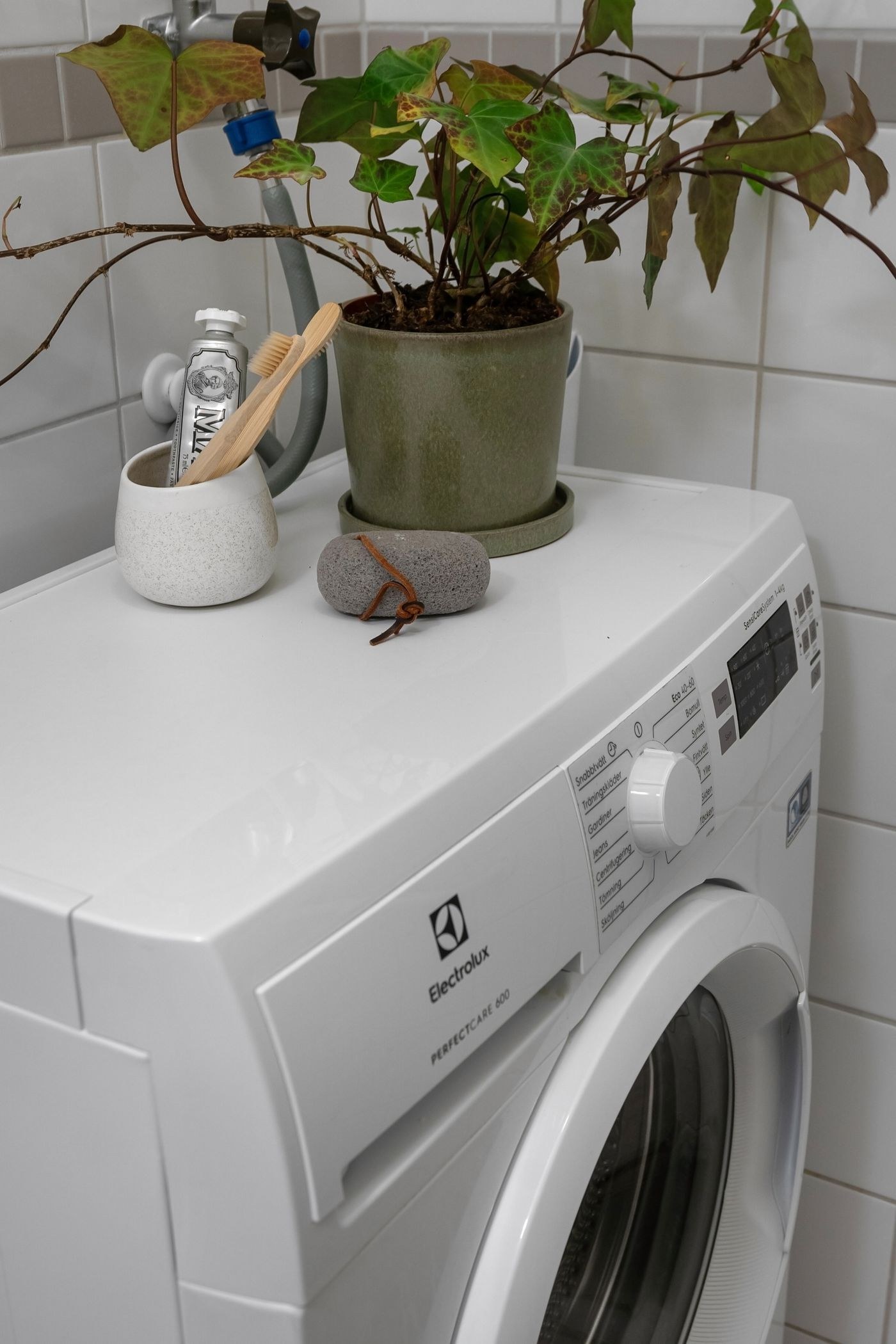
Family travel
One planned wash can change what you need to pack, but only if there is time and somewhere for clothes to dry.
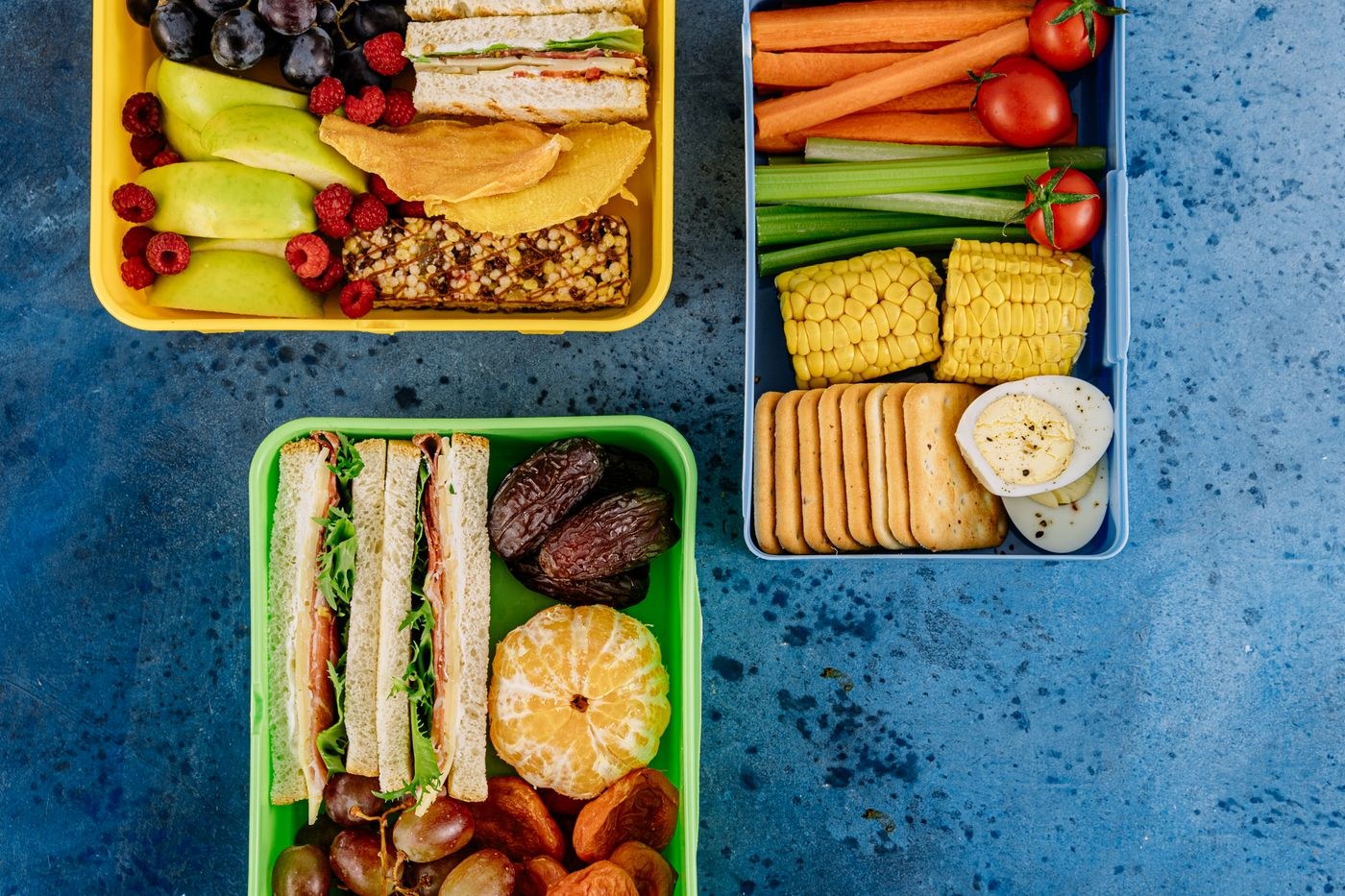
Family travel
Look for the long gaps and uncertain food stops, then make a simple plan for those parts of the journey.
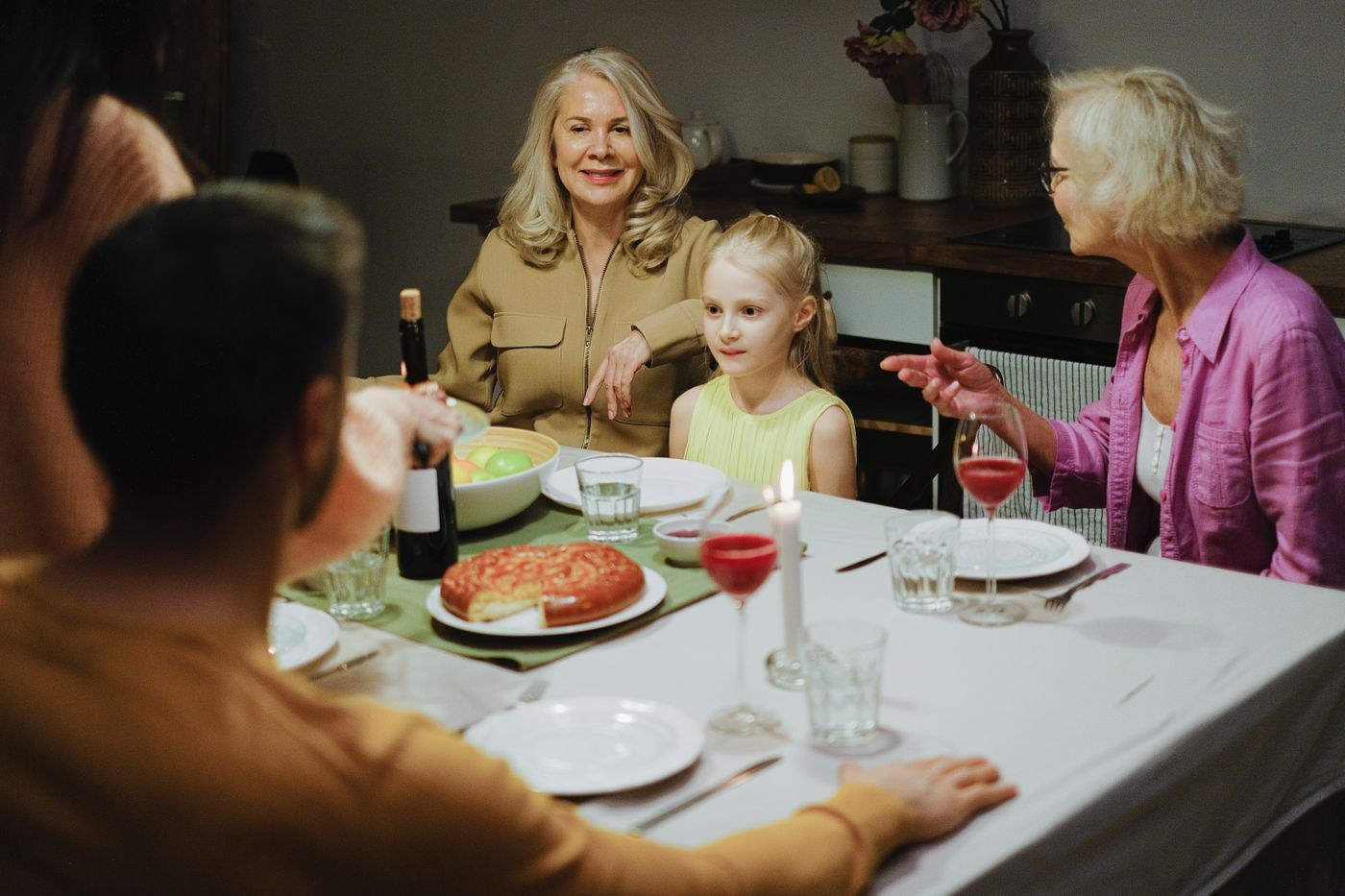
Family travel
Seeing people matters, but a trip home still includes tired mornings, transport and children who need ordinary time.

Family travel
Share complete tasks, especially during the moments when everyone is moving at once.
Family travel
One indoor outing or a few hours at the accommodation can be enough when the weather changes the day.
Family travel
Choose one main destination, then look at the places where the family can eat, sit and change pace around it.
Family travel
A nearby destination gives you a chance to learn how the family travels without making the return journey a major commitment.

Family travel
The right choice depends on the route, your child and what you can manage when the stroller is folded.

Family travel
Give children a way to keep one detail from a trip, with no requirement to fill a page every day.
Family travel
Returning to the same place each evening can reduce the daily work of finding food, unpacking and learning another room.

Family travel
Unpack the things needed for tomorrow before trying to restore the whole house tonight.

Family travel
Transfers, food gaps, laundry and baggage can change the total more than one headline booking price suggests.

Family travel
Separate what must be decided now from what can wait until the family is somewhere comfortable.

Family travel
Give teenagers a defined part of the plan, the information to make it work and a real say in the final choice.
Family travel
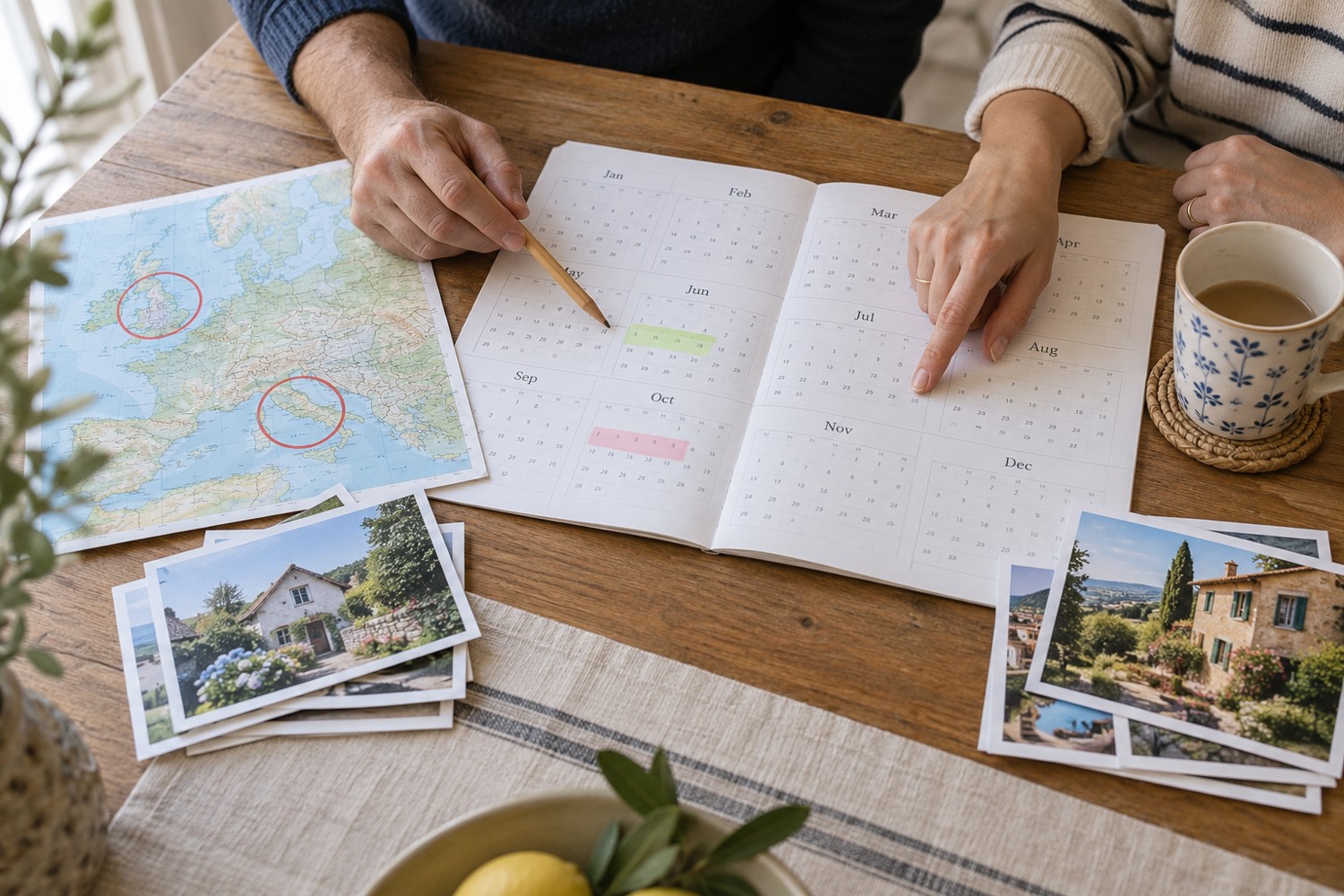
Decide what each trip can hold before promising dates to relatives in several places.

Life as a mom
A recurring place or activity can make the second conversation easier than trying to start again with someone new each time.

Life as a mom
A short introduction gives someone a place to begin. The longer story can come later if you both want to tell it.

Life as a mom
A time, a place and a clear length make a casual invitation easier to answer.

Life as a mom
Choose something you would enjoy even if it did nothing to help the household settle in.
Life as a mom
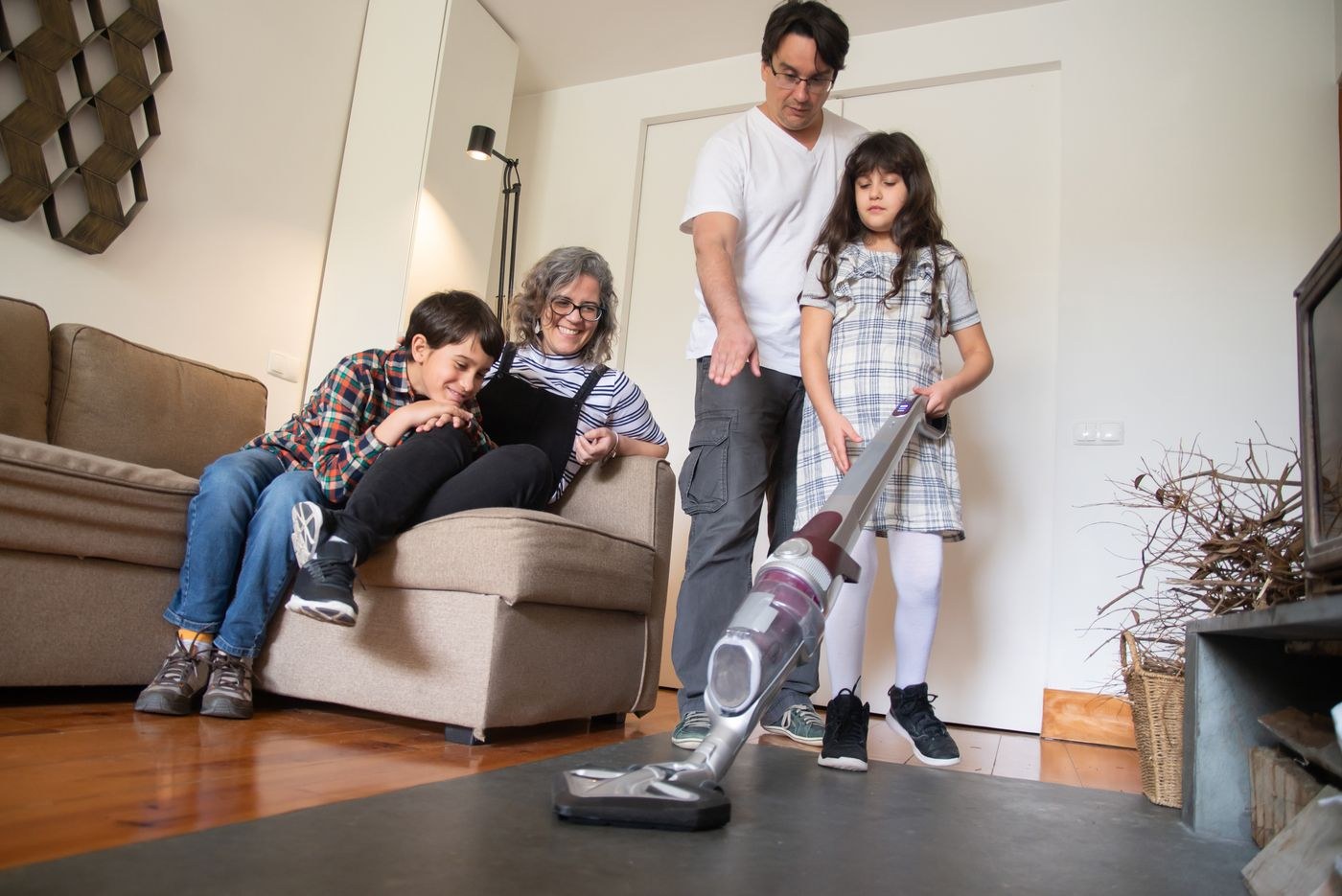
List the noticing, planning and follow-up as well as the visible chores, then give whole tasks clear owners.
Life as a mom
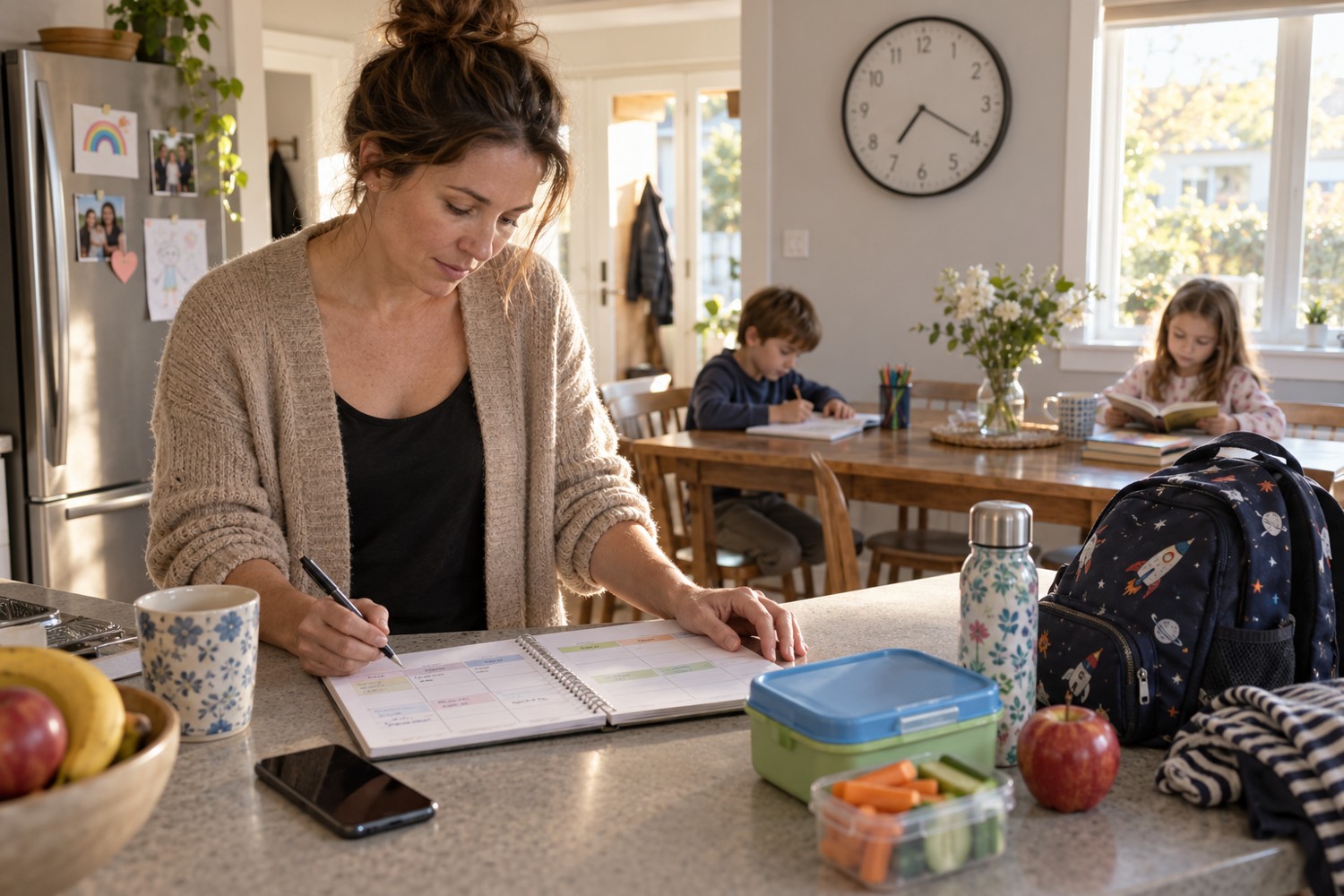
Before one parent leaves, decide what the week can realistically contain and which tasks they can still own from elsewhere.

Life as a mom
A repeatable situation gives language practice a place in the week without turning every conversation into a lesson.

Life as a mom
Distance may change the frequency and format of a friendship without removing the things you share.

Life as a mom
You can welcome new connections while being clear about which plans fit your week.

Life as a mom
Choose a project with a place, a next step and a size that fits the time you actually have.

Life as a mom
Save evidence of work, learning and responsibilities while the details are still easy to recover.

Life as a mom
Set up for the work you actually do, with a clear place for equipment to go when the table changes purpose.
Life as a mom
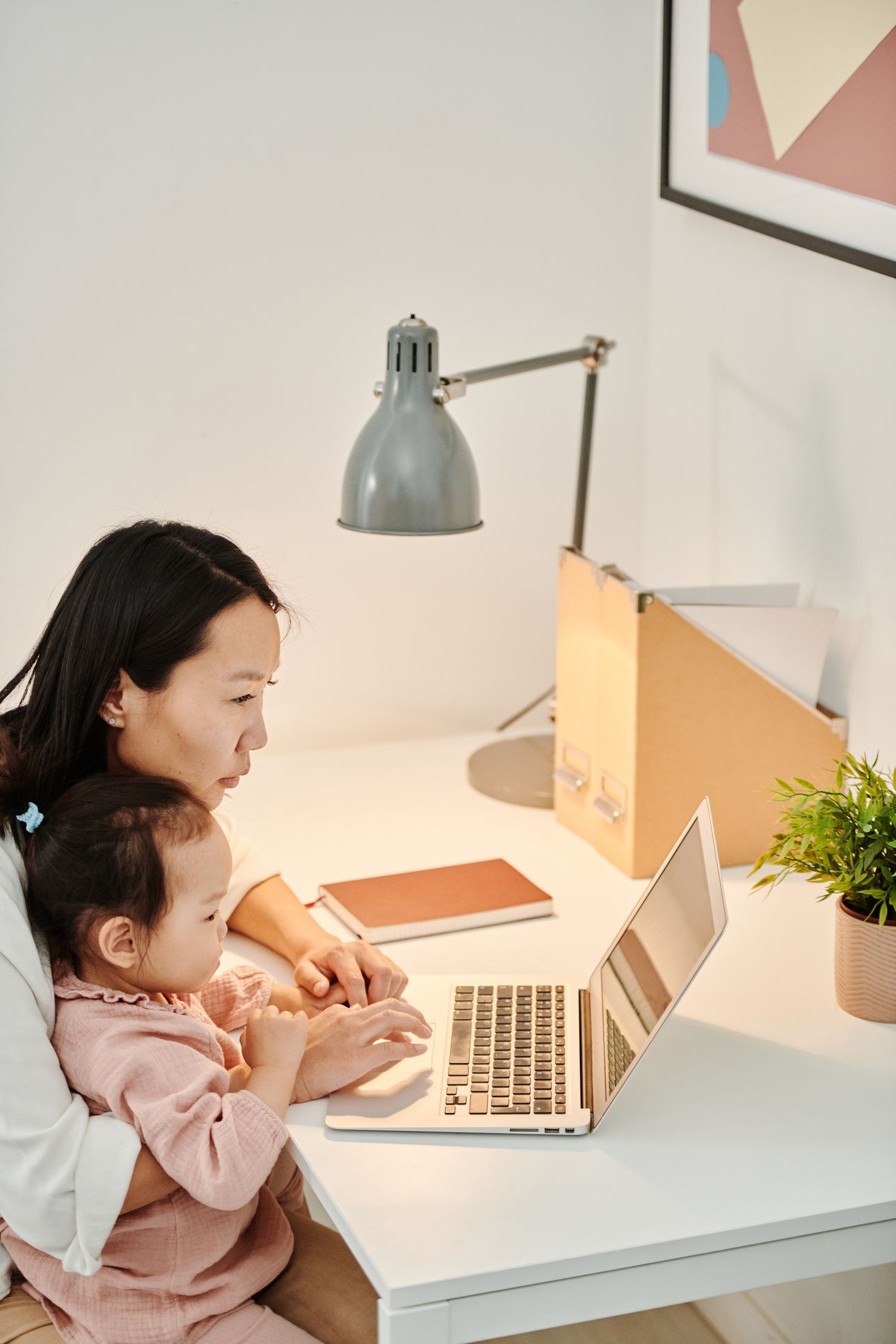
Turn “I need to work” into a time, a care arrangement and a clear way to handle interruptions.

Life as a mom
Keep one interest visible while the move supplies an apparently endless list of things that need doing.

Life as a mom
Choose when and how to follow the people and events you care about, without making every message an interruption.

Life as a mom
Use a short pause to remember what happened and identify one thing that would make next week easier.
Life as a mom
A defined request can turn a generous offer into something that is actually possible to do.

Life as a mom
Use the first visit to learn how the group works and whether you would like to return.

Life as a mom
Find a way to acknowledge an important day without pretending that joining remotely is the same as being there.
Life as a mom
One household can contain relief, excitement, frustration and homesickness at the same time. Talk about the actual days behind those views.