Write down the missing sentence
A long vocabulary list is easy to make and hard to use. A smaller collection built around household tasks has a clearer purpose. After an awkward exchange, write down what you were trying to say: the parcel is for the upstairs flat, the machine has finished, or you would like the smaller size. That sentence is the starting point for the next attempt.
Keep the original meaning beside the new phrase so it remains useful after a week away from it. Where possible, check the wording with a teacher or fluent speaker, including whether it sounds polite in that setting. A literal translation may be understandable while sounding unusually formal or abrupt.
Sort phrases by where you need them
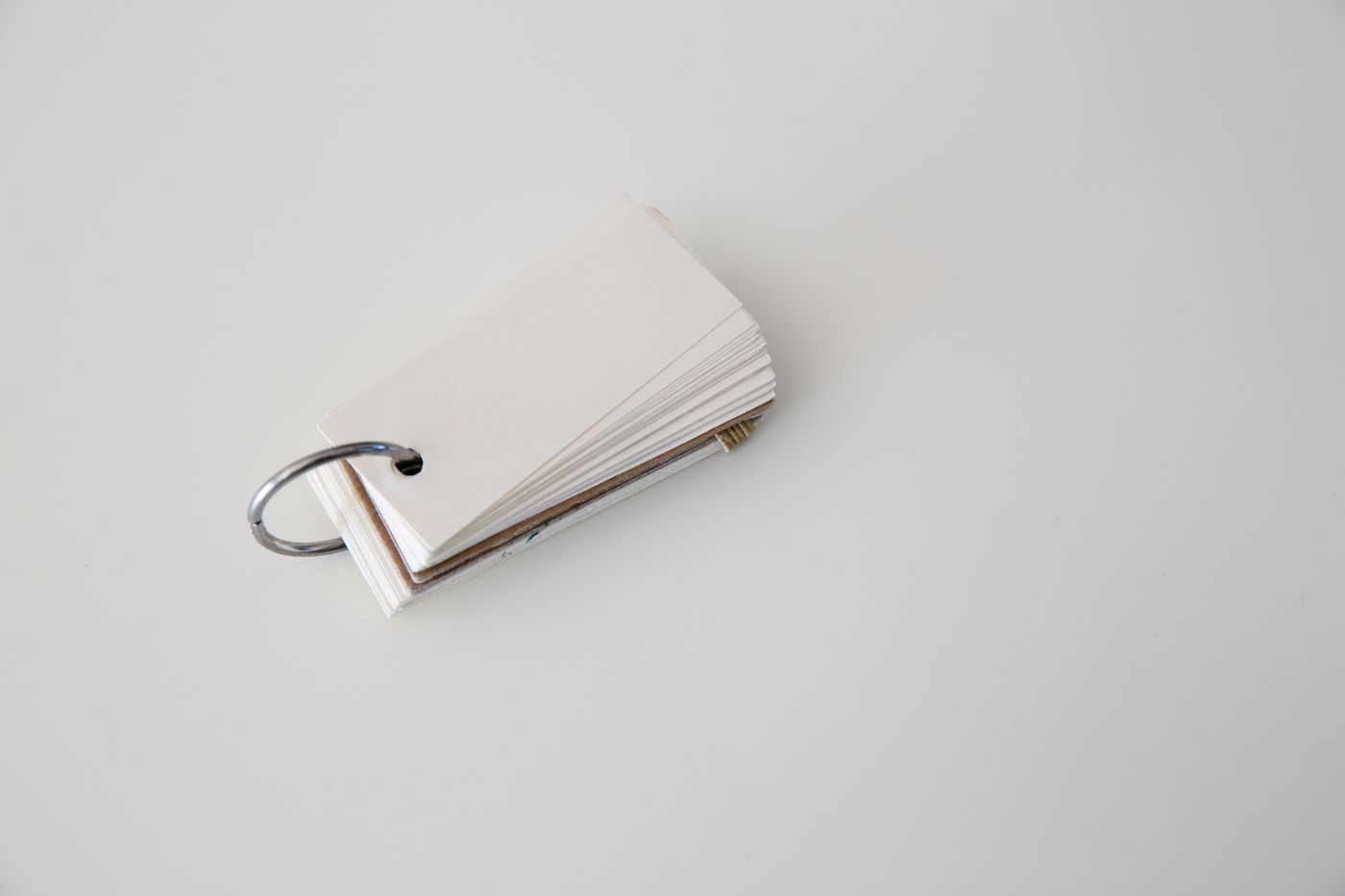
The notes for shopping belong somewhere you can reach at the shop. A card in your wallet, a short phone note, or a saved audio clip may work better than a beautifully organised document on a computer at home. Put the most likely phrases first instead of arranging everything alphabetically.
Include a way to slow the conversation down. Asking someone to repeat, point, write a number, or show the relevant item can be as useful as knowing its name. Learn a simple way to say that you are still learning. You can then use the words you have without pretending to understand every answer.
For household equipment, photograph the controls and keep the manufacturer's explanation where you can find it. A translated label is an aid to understanding, not a reason to guess at an unfamiliar safety instruction. Ask the landlord or supplier about anything consequential that remains unclear.
Turn a phrase into an exchange
Practise a likely reply as well as your opening line. If you ask when a delivery will arrive, you will need to recognise days, times, or a request for your address. Say the whole exchange aloud, then shorten it to the words you can comfortably use.
Review the collection occasionally. Remove phrases you now know and add the ones that caused trouble this week. Invite other adults in the household to add their own discoveries, but do not make a child responsible for maintaining the family dictionary.
Progress may look ordinary: a parcel collected without a second trip, a question asked at the counter, a neighbour understood the first time. Those repeated situations give language practice somewhere to live.