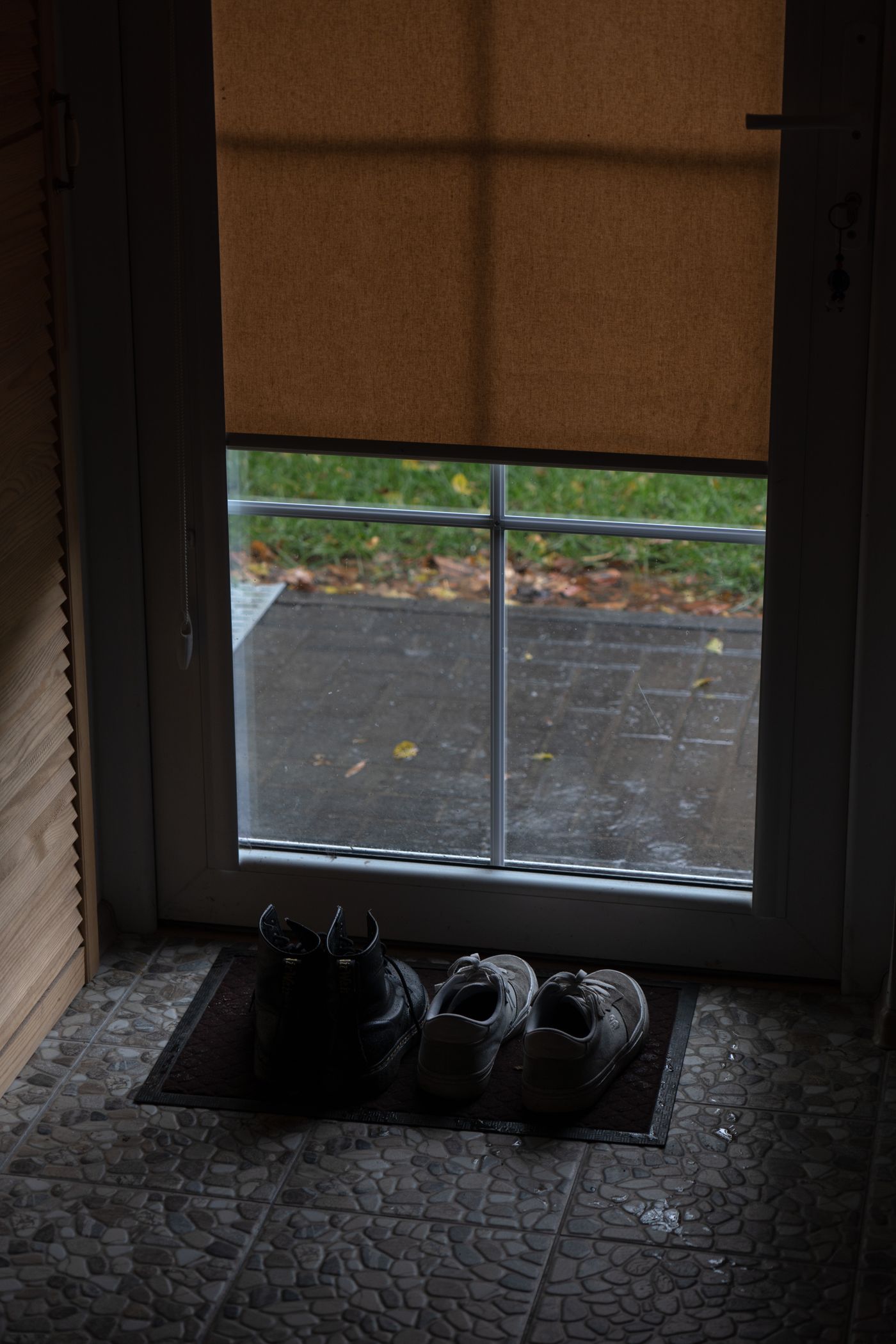
Notice the situation, not a national character
You may encounter different expectations around shoes indoors, arriving for dinner, greeting a teacher, or standing in a queue. The first example you see is useful information, but it is still one example. A family's custom, a workplace convention and a public rule can look similar to a newcomer while working quite differently.
Describe what happened before deciding what it means. “Our host put slippers by the door” gives you something concrete to act on. “People here are strict about houses” adds a judgement that the encounter may not support. Keeping that distinction also makes it easier to explain the experience to children.
Ask a question with room for variation
At someone else's home, a direct question can remove uncertainty: would they like you to take your shoes off, where should coats go, or what time would they like guests to arrive? You are asking about this person's preference. There is no need to invite them to speak for a whole culture.
For public services, look for written instructions and ask staff when needed. A numbering system in a shop may not be obvious from watching the queue. Learning that system is different from assuming you have offended everyone because you stood in the wrong place.
Friends can offer context, particularly if you explain the actual encounter. Compare more than one perspective when a custom affects an ongoing arrangement. What works in one school, neighbourhood or generation may not match another.
Repair small mistakes without a performance
A brief apology and a change of action are usually clearer than a long explanation of how things happen where you came from. If you missed a request, acknowledge it, ask what to do now, and follow through. You do not have to describe yourself as hopeless at local life.
Keep the same curiosity when your own habits attract questions. Explain the practice in your family without presenting it as the only sensible way to do things. Children hear the tone as well as the information. They can learn to ask respectful questions while keeping customs that matter to them.
You will not interpret every interaction correctly. Leaving room for individual preference gives you a way to revise an assumption when you learn more.