Find out what pupils actually do
Ask whether children bring food, choose school meals or use a combination. Check ordering deadlines, payment arrangements and what happens if an order is missed. A school may have different systems for different ages, so use the information for your child's class.
Learn when lunch happens and how long children have. Ask where they eat, whether adults help with containers and what the routine is after the meal. These details can explain why a familiar packed lunch returns untouched without assuming that the child has suddenly stopped liking it.
Share food needs through the right route
Tell the school about allergies and relevant dietary requirements using its designated process. Ask who receives the information and what arrangements must be agreed before meals begin. Do not rely on a child mentioning an allergy to a new teacher or classmate.
Read the school's food rules before packing snacks or a lunch box. Policies about particular ingredients, sharing food and refrigeration vary. If something is unclear, ask staff directly rather than following an informal parent's message whose context you do not know.
Make a packed lunch usable
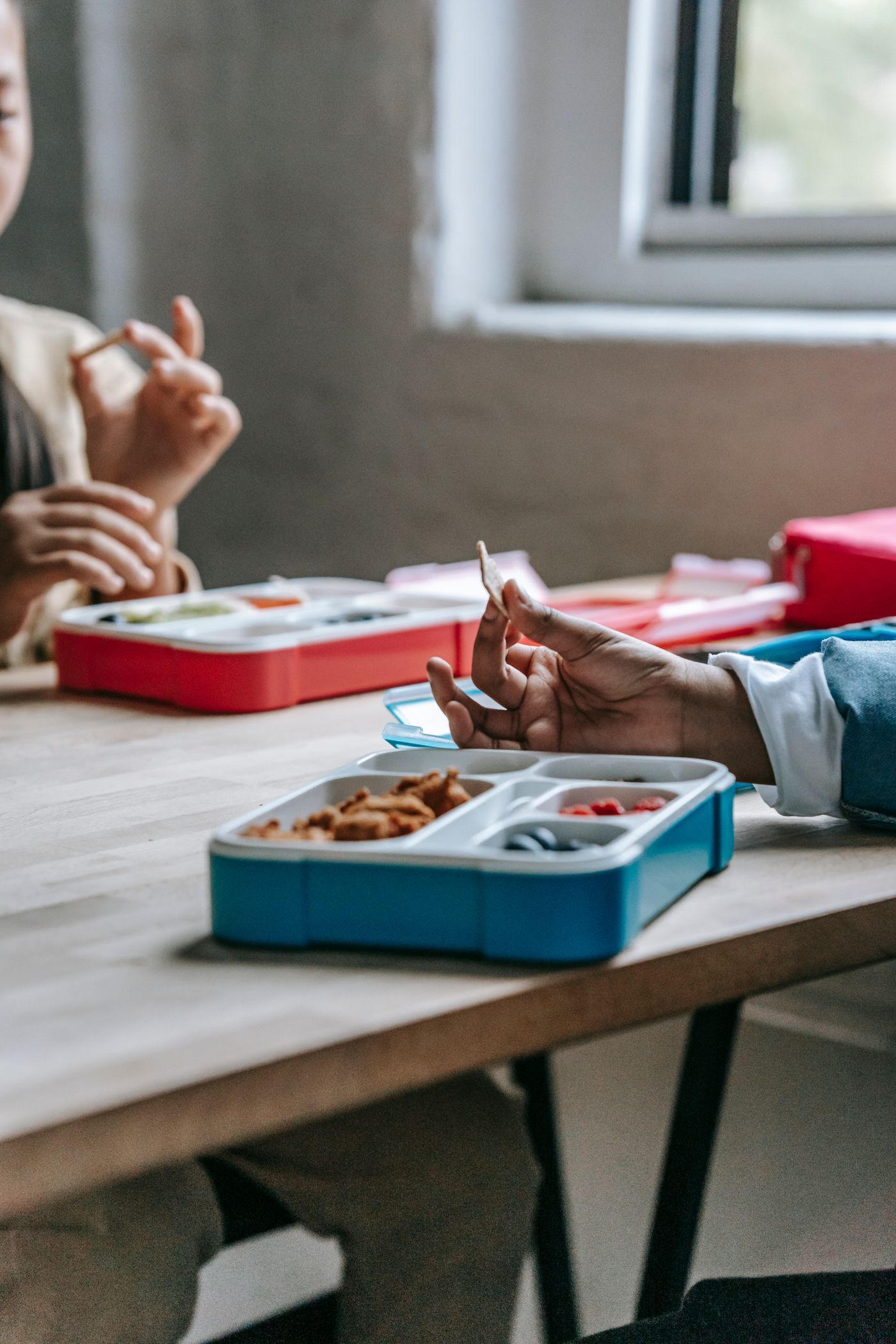
Choose containers the child can open and close, and practise with them at home. Pack portions they can manage within the available time. Use appropriate food storage and temperature control for the journey and school arrangements, following local food-safety guidance where needed.
Include something familiar while you learn what works. A first school week may not be the best time to replace the entire lunch with unfamiliar food because it appears more typical locally. You can introduce new options as the child becomes comfortable with the routine.
If your child is having school meals, look at the menu together and explain how choices are made. Check whether they need to recognise a word, point to an option or order in advance. Ask the school how new pupils are helped if they do not yet understand the language.
Ask about the lunch experience
When food comes home, ask a neutral question about the meal. Was there enough time? Was the container difficult? Did the child know where to sit? A practical obstacle may need a different response from a disliked ingredient.
Raise repeated concerns with the relevant staff, using concrete examples. Avoid asking another child to monitor how much your child eats. Once the arrangement is working, keep notes on the useful details: ordering day, favourite options and what belongs in the bag. Lunch can then become one less unfamiliar part of school.