Choose jobs before tools
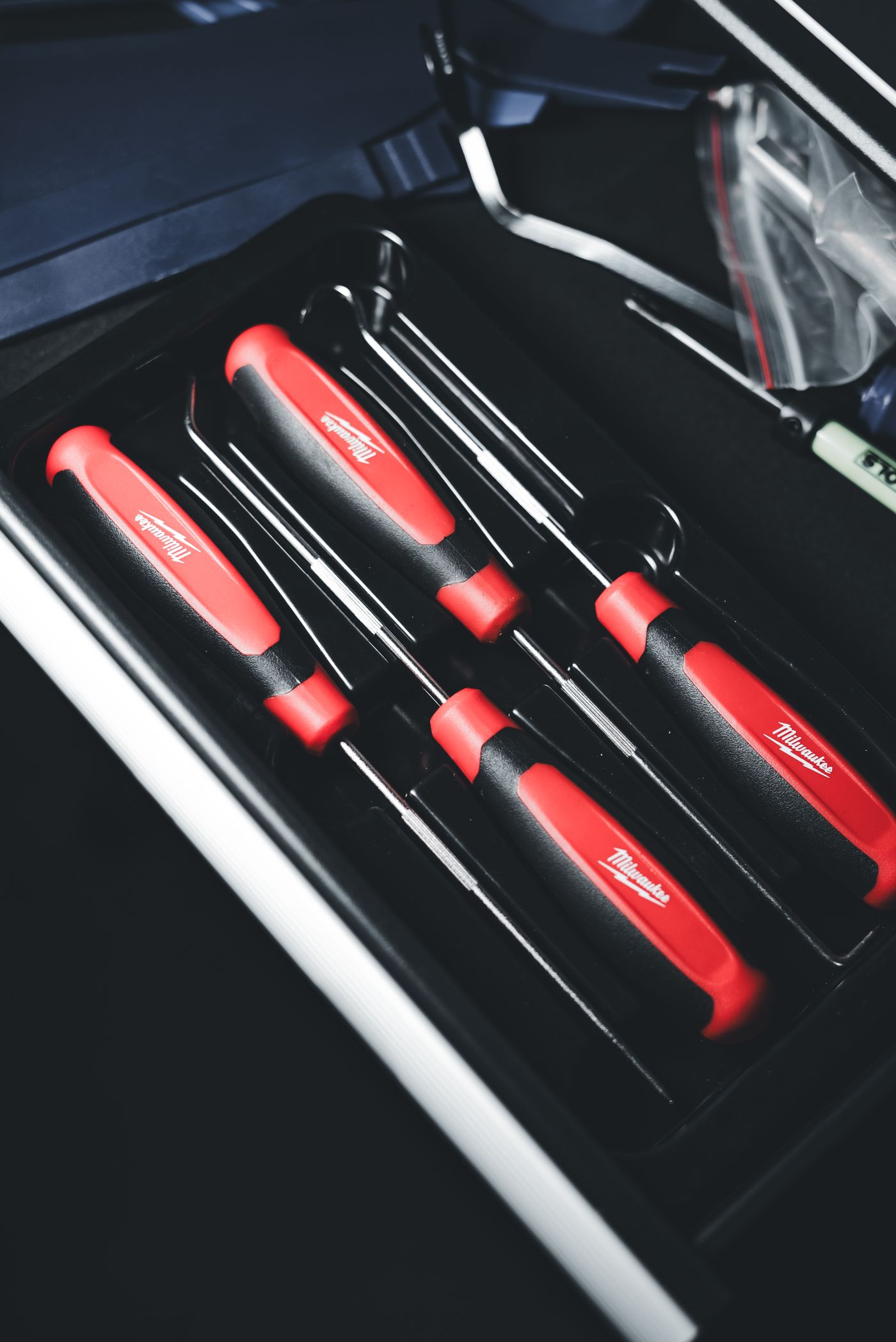
Think of the small household tasks you already know how to do: tightening a loose handle, measuring a shelf space, or assembling a simple item according to its instructions. A suitable screwdriver, tape measure, and a few compatible spare fittings may cover those jobs. Buying a large tool set is not necessary if most of it will remain unfamiliar.
Check screw heads and sizes before using a tool. The wrong fit can damage the screw and make a small adjustment more difficult. Keep the instructions and supplied parts from flat-pack furniture in a labelled bag rather than mixing them with unrelated fittings. A small tray is useful for holding the pieces while you work.
Make storage part of the kit
Use a closed container that adults can find and children cannot access unsupervised. Blades, small parts, glues and loose batteries need storage appropriate to their hazards; they should not become another mixed drawer in a child-height kitchen unit. Follow the product labels for handling and disposal.
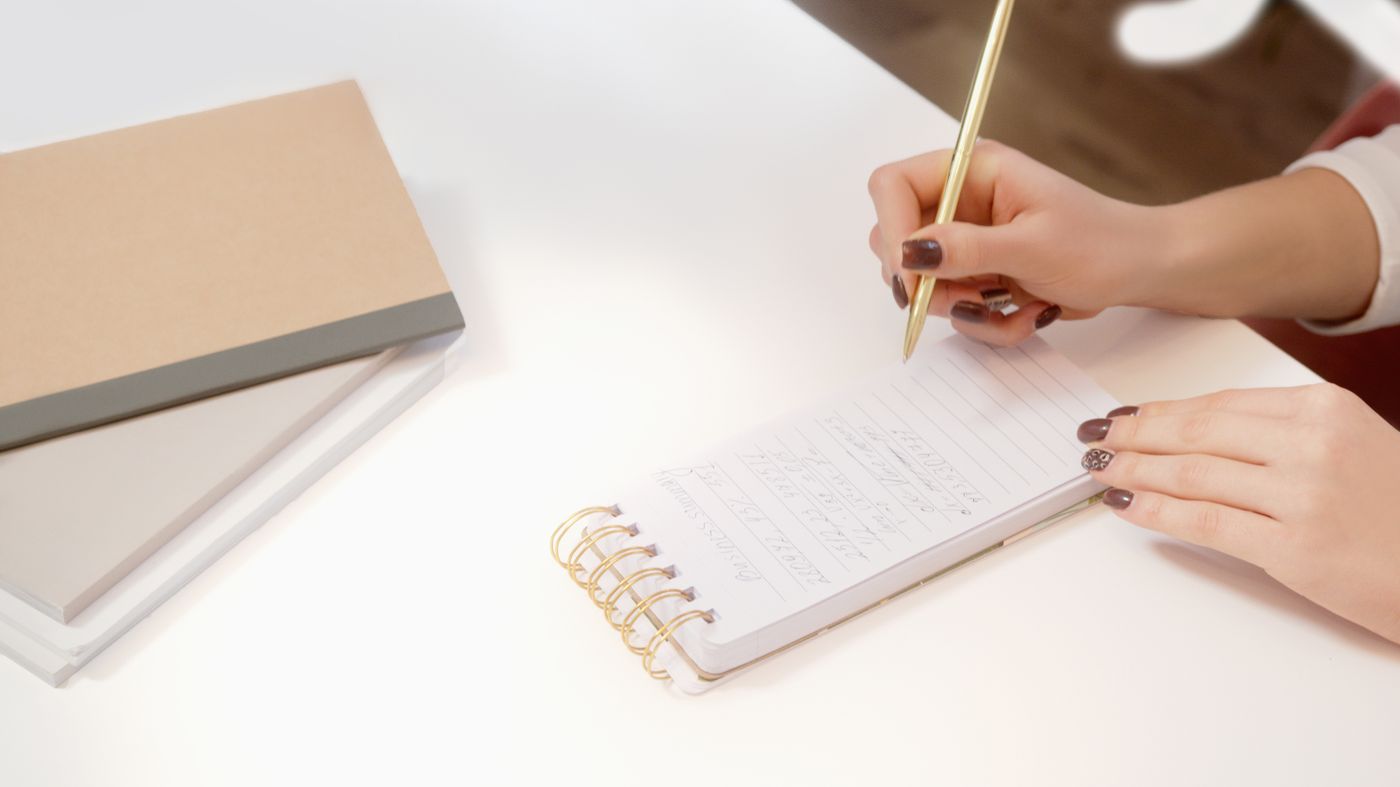
A torch, pencil and notebook can be useful additions. Photograph a fitting before taking it apart and note the measurements when ordering a replacement. Avoid collecting unlabelled chemicals or partly used products simply because they might help one day.
Know when to stop
In a rented home, check the agreement and contact the landlord or property manager before altering fixtures. Report a fault with a photograph, its location and what you have noticed. Do not treat an unanswered message as permission to attempt a larger repair.
Electrical, gas, structural and significant plumbing work are outside the scope of an ordinary household kit. An unfamiliar smell, heat, sparking or leak calls for appropriate local help and the relevant emergency guidance, not experimentation with a screwdriver. Product instructions also take priority over a general household tip.
Keep a note of trusted service contacts beside the kit. When a professional fixes a problem, record the date and any instructions they give you. The most useful repair collection is not the largest one; it is a small set you understand, with a clear boundary around what you will use it for.