Keep the useful detail
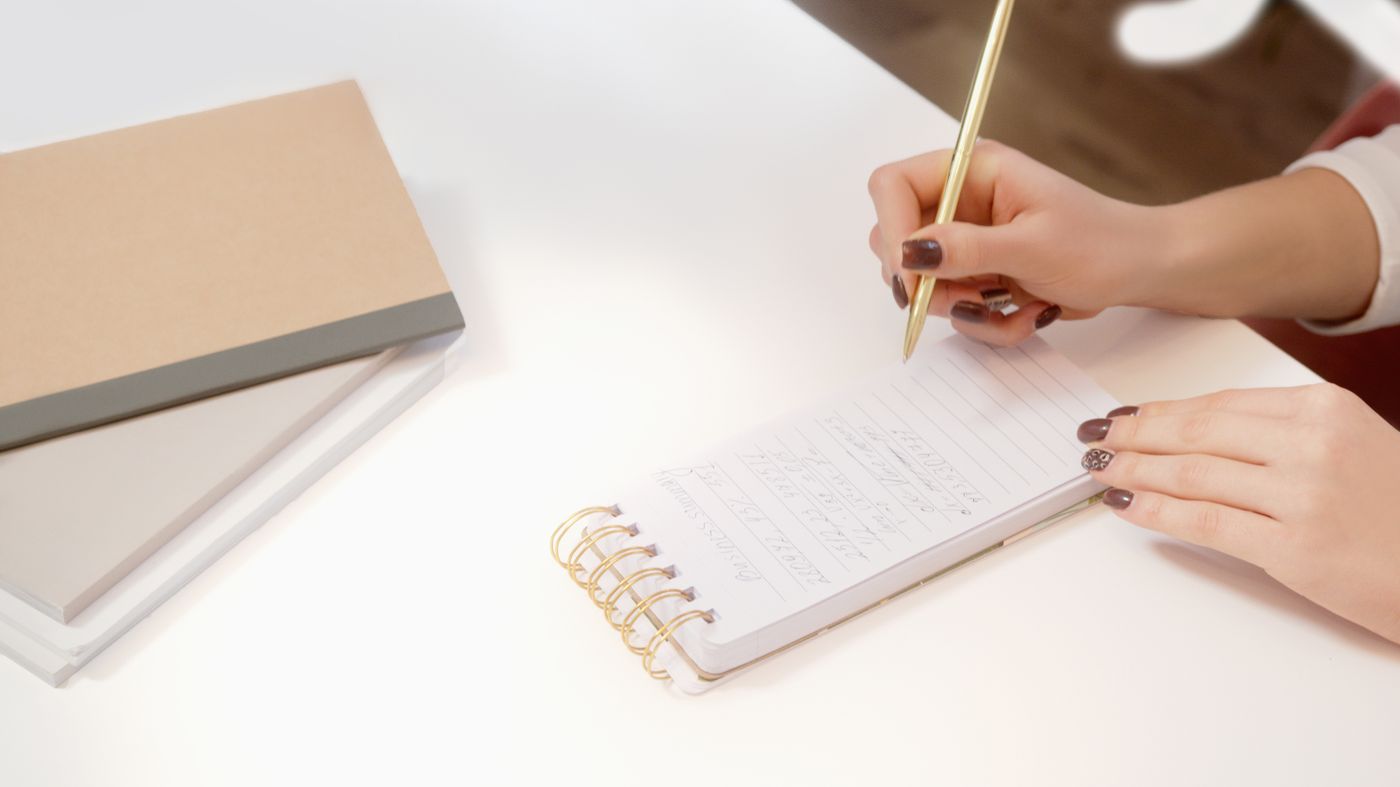
An arrival notebook need not become a daily diary. Its job can be much smaller: remembering the shop entrance with a ramp, the quiet library hour, or the meal that everyone ate after a tiring day. These are details you may forget when the next unfamiliar task arrives.
Write the information in a form you can use again. “Good playground” is less helpful than its location, the nearest toilets and the fact that your child liked the climbing frame. Avoid recording other families' personal information unless they have chosen to share it for a clear purpose.
You can keep separate spaces for places, household arrangements and things to ask. A phone note works as well as paper if it is easier to carry. Choose one home for these observations rather than spreading them across several apps and scraps.
Record friction as a question
When something does not work, note what you want to change. The morning may have felt chaotic because everyone needed the same bathroom at once, or because the bus arrived earlier than expected. Naming that detail suggests a different experiment for tomorrow.
Leave room for uncertainty. One difficult outing does not establish that a place is always unsuitable. You might return at another time, try a different route, or decide that it does not meet your family's needs. The notebook should help you make choices, not turn every day into a score.
Read it when you are making plans
Before organising a weekend or another school week, look back at the entries. Repeat something that worked without feeling obliged to find a new activity. Familiarity can be useful when other parts of life are still changing.
Let family members contribute in their own way. A child might draw a place they want to revisit; a teenager might save a transport link; another adult may add the name of a helpful service. They need not agree on what counts as a good discovery.
Once the information becomes routine, move lasting details into your household contacts or calendar. Leave the rest as a record of an ordinary period of learning. The notes have done their job when fewer things require a fresh search.