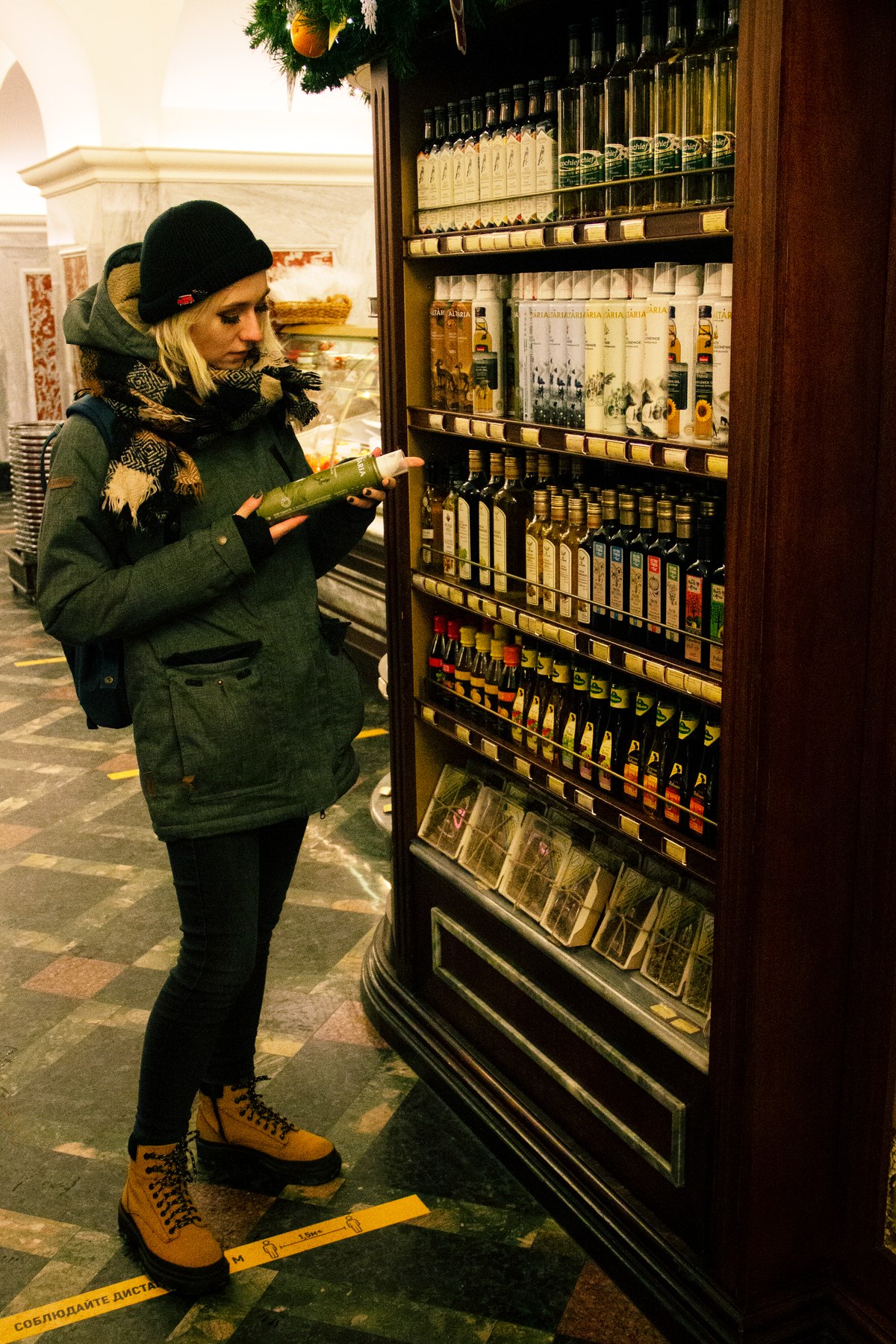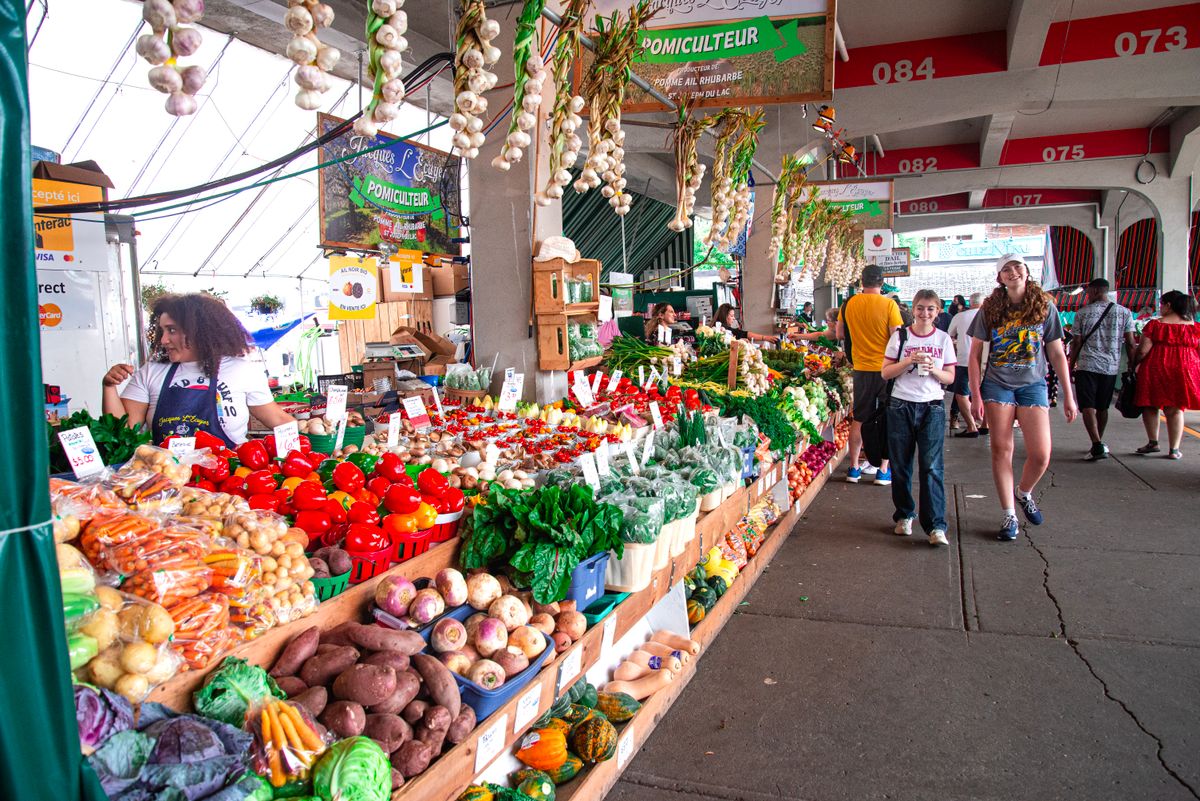
Leave room to look
Choose a visit when you do not need to buy everything for dinner. Markets vary: some are mainly food stalls, others sell household goods or prepared meals, and opening days may be limited. Check the organiser's current information before leaving, including the location and hours. Bring a bag you can carry comfortably and think about the journey home with anything heavy.
On arrival, walk through once before shopping. Notice where queues form, how people indicate whose turn it is, whether customers select produce themselves, and where prices are displayed. These small observations can answer questions without requiring a conversation. If you are unsure, pause and ask rather than copying a practice from a different stall.
Buy a quantity you can use
Start with one or two things you recognise. Check the unit behind the price: it may refer to a piece, a bunch, a container or a weight. Pointing to the quantity you want can help, but confirm the total before the purchase if you have not understood it. Keep a payment method the market accepts; do not assume every trader takes cards or that cash is always required.
If you are shopping with children, decide who is carrying bags and what they can help choose. A child can look for two apples or hold an empty bag without being responsible for interpreting the transaction. Make room to step away from a crowded stall if the conversation takes longer than expected.
Make the return visit easier
Once home, note the opening day, the entrance you used and anything you would do differently. Perhaps the first bus home is difficult with bags, or the quieter entrance is on the other side. A photograph of a stall sign can help you find the same trader again, where photography is welcome.
You do not need to discover your favourite vendor on day one. A first visit that ends with a modest bag of food and a clearer idea of how the place works has done its job. Next time, you can add one unfamiliar item and ask how it is usually prepared.