Start with a shorter basket
A first supermarket trip can take surprisingly long when every packet needs attention. Choose a small list for the next day or two rather than attempting a full weekly shop. Familiar-looking ingredients with simple labels are easier to compare than a trolley of unfamiliar prepared foods. Leave time to check pack sizes as well as names; a price that looks low may belong to a much smaller quantity.
Prepare a phone note with the local words for the products you need and any ingredients you must avoid. Include the wording used locally, not only a literal translation from your language. For a dietary restriction or allergy, get appropriate help confirming the terminology before relying on it. A shopping list is useful, but it cannot establish whether a food is suitable for a particular person.
Read beyond the large print
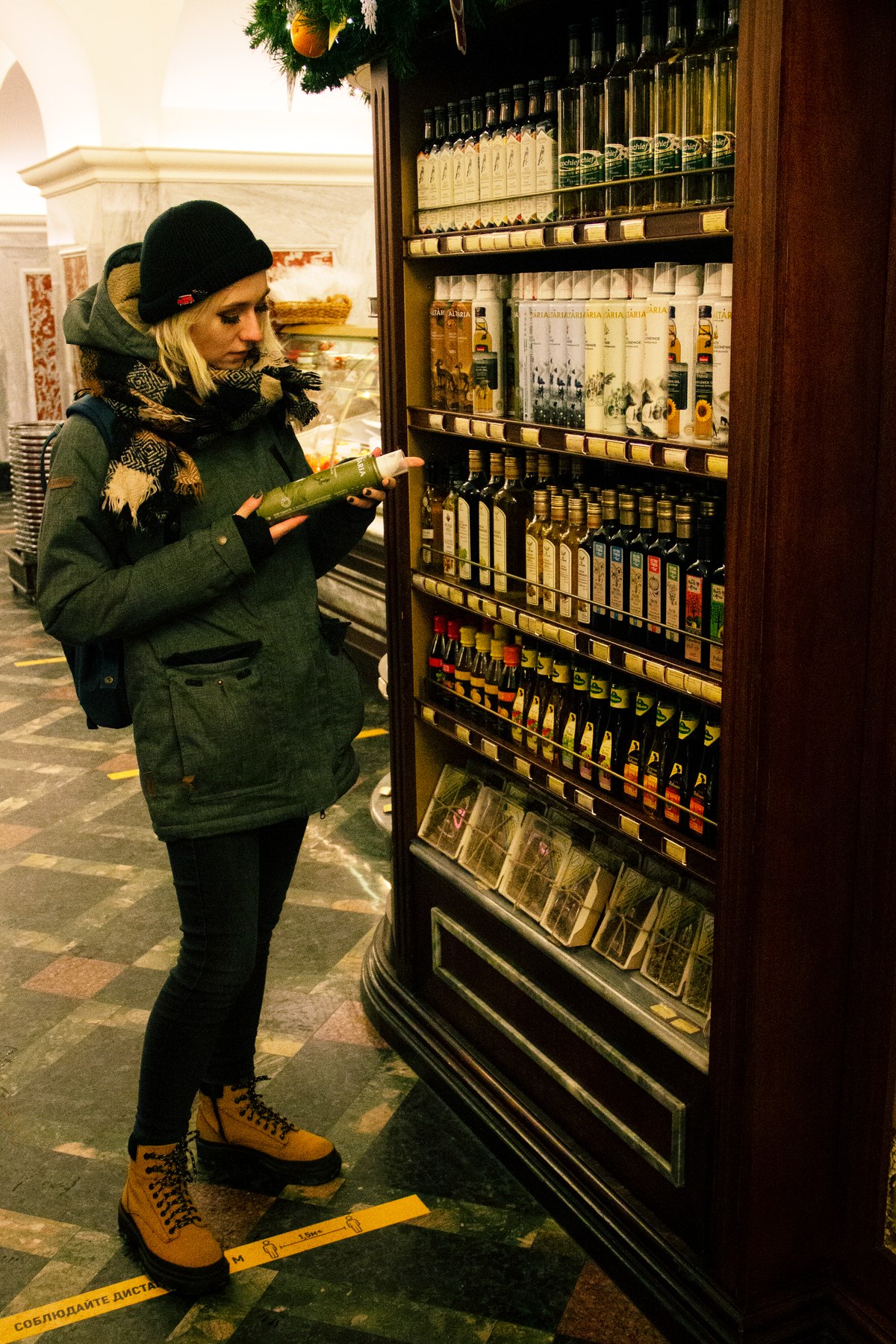
The front of a packet is designed to help sell and identify the product. The ingredient list, preparation instructions, storage details and date information may be elsewhere. Turn the package over and find those sections before deciding that a familiar illustration means familiar contents.
A camera translation can help you find your way around a label, but keep the original text visible. Small type, a curved surface or a shiny wrapper can lead to missing words. If an ingredient or warning remains unclear, choose something you can verify or ask the manufacturer or a suitably informed member of staff. An uncertain translation is not a reliable way to resolve a food-allergy question.
Dates also need context. Check what the date refers to and whether the storage instructions change once the package is opened. Do not assume that two different date phrases mean the same thing, or that a product is shelf-stable because a similar one was at home. Follow the instructions on the item you are buying.
Build a shelf of known options
Photograph the front and back of a product that you have checked and used successfully. A folder with ten reliable staples can save more time than a dictionary containing hundreds of food words. Note any important variant: sweetened versus unsweetened, concentrated versus ready to use, or a version with a different ingredient list.
Keep checking when you buy again. Packaging and recipes can change, and two products from the same range can look nearly identical. Your saved photo helps you locate the item; it does not replace the current label.
Ask a question the other person can answer
Showing a packet and asking where the ingredient list is will often work better than asking whether it is “okay”. Point to the exact text you need explained. If you cannot establish the answer in a busy shop, take a clear photograph and look for the manufacturer's contact information later.
For the next trip, add just a few useful words to your note. The aim is to become familiar with the products your household buys, not to pass a vocabulary test in the cereal aisle.