Keep the meal, loosen the ingredients
The meal that works on a busy evening may be less about a particular brand than about its shape: something warm in a bowl, toast with a topping, rice with vegetables on the side. Before trying to reproduce every ingredient from home, identify the part your household actually cares about. One child may want separate components. Another may care about the sauce. The cook may need it to take twenty minutes.
Write down four or five meals that fit your current kitchen and schedule. A favourite roast is not much help if the temporary flat has two hotplates and one saucepan. Keep that meal for later and choose an alternative with a familiar flavour or texture. This is a small working menu, not a permanent decision about how the family will eat abroad.
Try one substitution at a time
If you replace the pasta shape, sauce, cheese and cooking method in one evening, it becomes difficult to tell what did not work. Keep most of the meal recognisable while testing one local ingredient. Buy a small amount first, particularly when the name on the packet is only approximately translated.
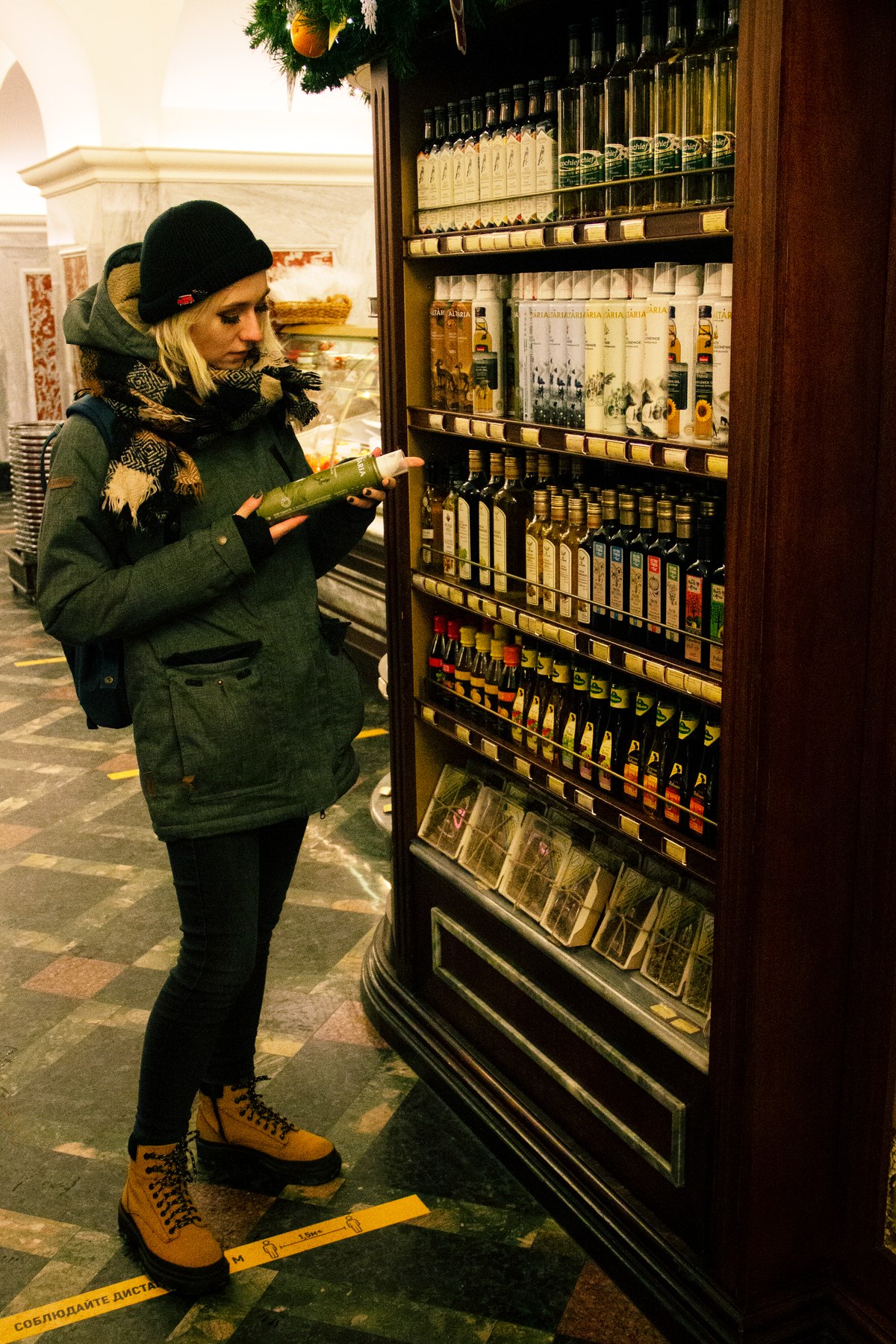
Save a photo of the product that worked, including its label and pack size. Shopping gets easier when another adult can recognise the same item without a long message exchange from the supermarket. If the household has dietary requirements, check the actual ingredients each time rather than assuming that similar packaging means an identical product.
You can serve an unfamiliar food alongside a familiar meal without making a performance of it. A new bread with the usual soup, for example, allows curiosity without making dinner depend on everyone liking it. There is no need to turn every evening into an introduction to local cuisine.
Give the week an easy evening
Look at the family calendar before assigning meals. The day with a late collection or a long commute probably needs the easiest option. Keep the ingredients for that meal together, or label them in a note so they do not disappear into another lunch. A fallback only helps if it is still available when you reach for it.
If different adults cook, agree on what counts as a complete enough dinner during this period. One person may picture three dishes while another means eggs and toast. Naming the simpler standard can prevent extra work that nobody requested. Children who are old enough can choose between two workable meals or take on a small preparation task.
Let the list change
After a couple of weeks, cross off the meal nobody wants and add the local option that has become easy. Keep recipes in the form you actually use: a page, a phone note or a few measurements on a cupboard door. You do not need a new meal-planning system to remember how much rice fits your saucepan.
Familiar food can be an ordinary part of living somewhere new. It does not have to represent a refusal to settle in, and enjoying new food does not require abandoning old favourites. The useful question on a tired evening is simply whether there is something the household can make and eat.