Choose a purpose before a layout
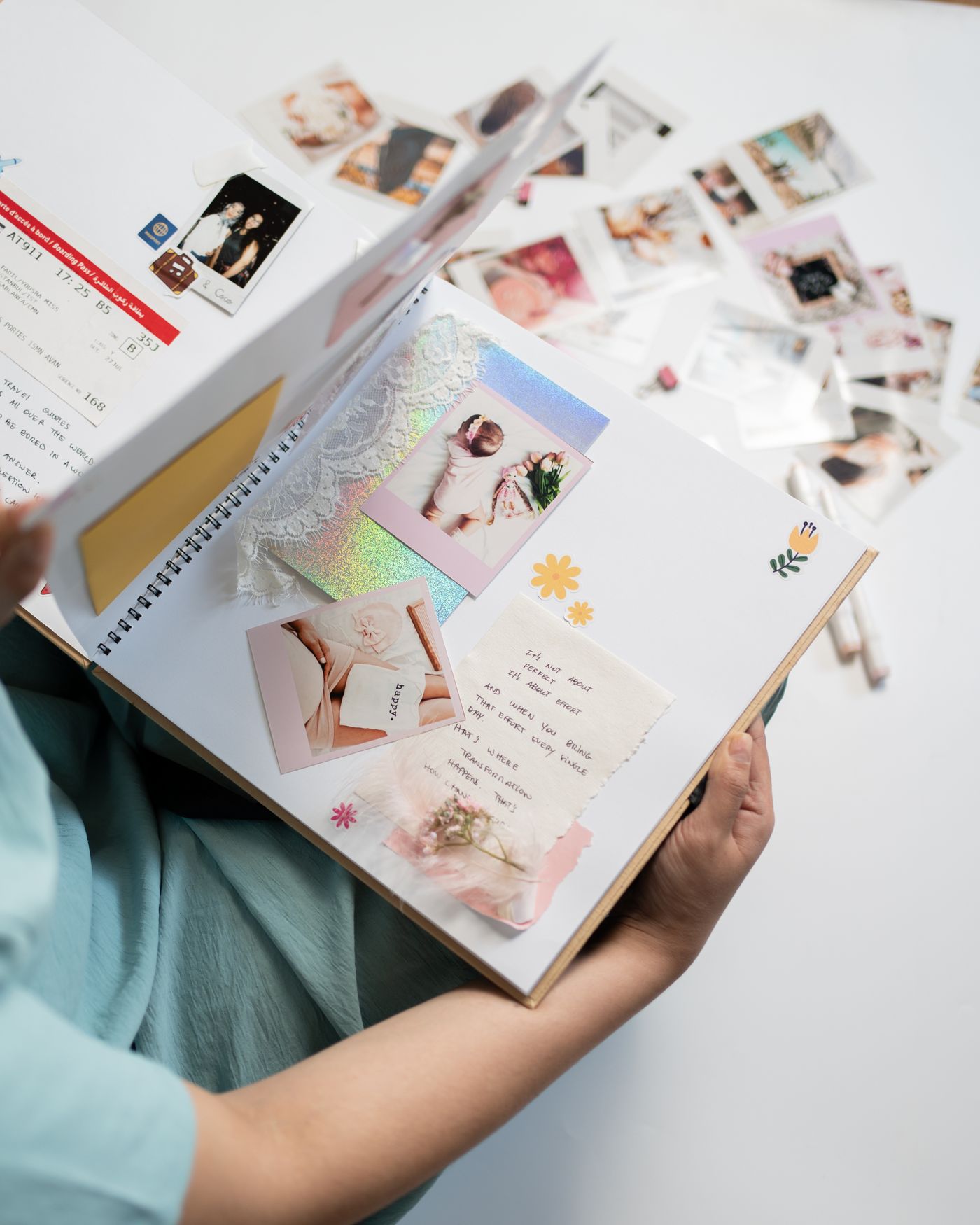
A family photo book can answer a particular need. It might introduce a young child to relatives overseas, preserve the home you left, or connect photographs from a visit with the people who appear in them. Decide which job this book has before sorting years of images.
Keep the first version manageable. A short book that reaches the coffee table is more useful than an ambitious archive left half-finished on a laptop. If you have several children, ask whether they want one shared book or a few personal pages within it.
Include the ordinary photographs
Formal family portraits tell only part of the story. A kitchen where everyone gathered, the walk to an old school, or a grandparent's garden may prompt memories that a posed group photograph does not. Select clear pictures in which the important person or place is easy to recognise.
Mix wide views with details. A photograph of a house can sit beside one of the favourite chair inside it. A picture of cousins can accompany the game they played. These connections give a child more to talk about than a sequence of unexplained faces.
Avoid filling the book with photographs the child dislikes just because adults find them amusing. Ask older children which images they are comfortable including. Get appropriate permission before sharing a book beyond the family when it contains other people's children or private spaces.
Write captions that will still make sense
Add names, relationships, places and approximate dates where useful. “Maya, Dad's sister, in her garden” offers more context than a first name alone. If a name has several familiar forms across languages, include the version the child uses and another spelling if it will help later.
Captions can preserve a child's words, but check that they want them included. Keep factual details separate from affectionate jokes that may become confusing over time. A caption should help someone understand the photograph without requiring the person who made the book to be present.
Make the book available
Choose a format that suits how it will be used. A sturdy printed copy may work for repeated family reading, while a private digital collection can be updated more easily. Check a printing service's privacy and sharing settings before uploading personal images. Keep your own original files as well.
Leave some space for the next chapter, but do not make the book dependent on constant updates. It can remain a record of one period. When relatives call, a child can open it to a familiar page and ask about something specific. The photographs then support a relationship rather than simply documenting that it exists.