Hear the question as the child hears it
“Where are you from?” may be friendly conversation, a request for a birthplace, or a question about an accent. A child who has lived in several places may not know which answer the speaker wants. They may also know perfectly well and simply prefer a different answer from the one their parent would give.
Ask privately how they like to respond. One child might name the place they live now; another might mention where they were born or where grandparents live. A longer answer can include more than one place. None of these needs to become the family's permanent official version.
Offer language without prescribing identity
You can help prepare a few responses for different situations. “I live here now, and I used to live in…” answers a question about recent life. “My family has connections to…” may suit another conversation. A child can also ask, “Do you mean where I live?” when the question is unclear.
Let them choose how much to share. They do not owe a stranger a list of passports, addresses or relatives' backgrounds. Explain the difference between an informal chat and an official form, where adults should help provide the specific information requested accurately.
Avoid correcting a casual answer in front of other people merely because you would describe the family differently. If there is something to discuss, return to it later. Public correction can make the child feel that their own relationship to a place is being marked wrong.
Leave room for several kinds of belonging
Citizenship, language, family history and affection for a neighbourhood are related but distinct. A child can love a place without holding its passport, or hold a passport from somewhere they barely remember. You can explain these differences using their actual experiences rather than asking them to choose a single label.
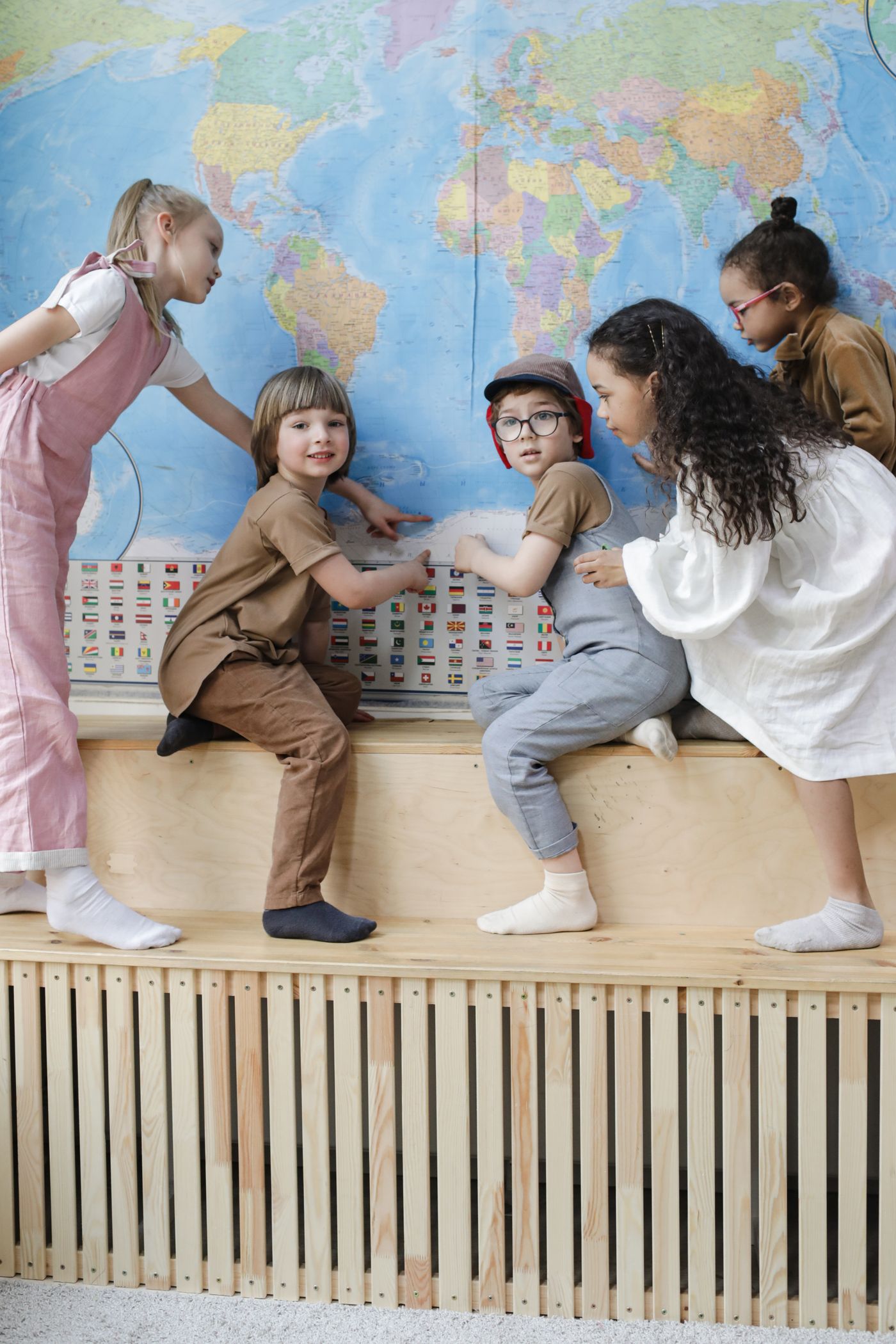
Maps and photographs may start a useful conversation. Mark places where family members have lived, where friends are now, or where a favourite memory happened. Keep the activity open-ended. It is not a test of geography or a demand that the child feel equally attached to every location.
Respond when the question stops being friendly
If someone repeatedly challenges the child's answer or says they do not belong, take the account seriously. Ask what was said and who was present. Avoid immediately explaining away the encounter as harmless curiosity. Where it happens at school, discuss the specific incident with the relevant staff and follow the school's reporting process if needed.
For ordinary conversations, a rehearsed exit can help: a short answer followed by another topic, or a choice not to continue. Adults can model the same boundary without turning every question into a confrontation.
Revisit the subject as the child grows. Their preferred answer may change after another move, a visit or a friendship. That change does not erase an earlier connection. It may simply describe the life they are living now more accurately.