Organise around requests
The test of a family document folder is a specific question: can you find the record someone has asked for, and tell whether it is the current version? A large collection of scans without names or dates does not necessarily help.
Give each family member a section, then separate shared household records. Use descriptive file names that identify the person, document type and relevant date. Keep the structure small enough to use from a phone. Folders nested several levels deep can be awkward when you are standing at a desk with a child beside you.
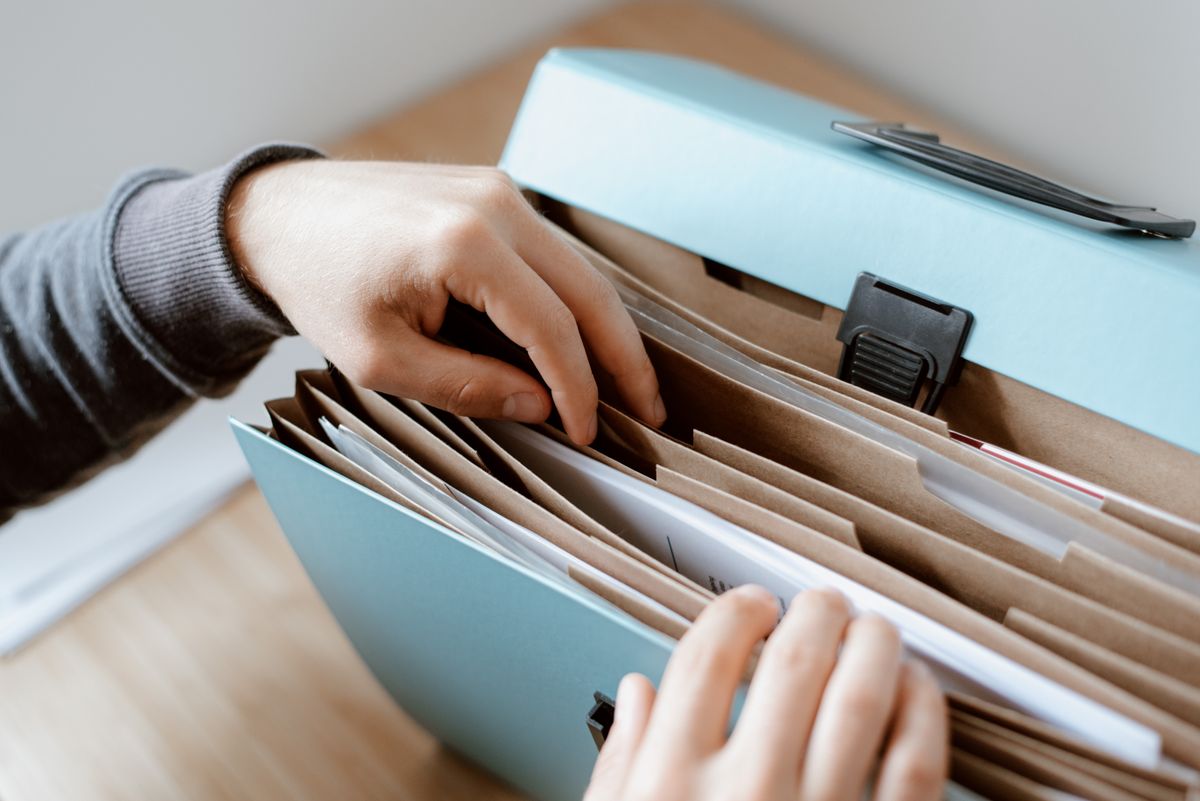
Make a short index of what exists and where it is held. It might say that an original is in the document wallet and a digital copy is in the secure folder. The index itself does not need to reproduce passport numbers or other sensitive details.
Keep originals and copies distinct
A scan can help you read a reference number or prepare a request, but it is not automatically an accepted substitute for an original. Ask the receiving organisation exactly what it needs, including whether it specifies a translation, certification or particular format. Requirements differ, and another family's experience may concern a different process.
Label working copies and old versions clearly. When a document is renewed, check that the current file is the one easiest to find. Keep superseded records only where there is a reason to retain them, separated from the set used for current applications.
For a planned appointment, assemble the requested documents as a small temporary set. Once the appointment is over, return originals to their normal place rather than allowing several competing folders to develop.
Share access deliberately
Both responsible adults should know how to reach essential records, but that does not mean every copy needs to sit in an unprotected shared chat. Use access controls offered by the service you choose, protect the relevant accounts and consider how you would retrieve information if one phone were unavailable.
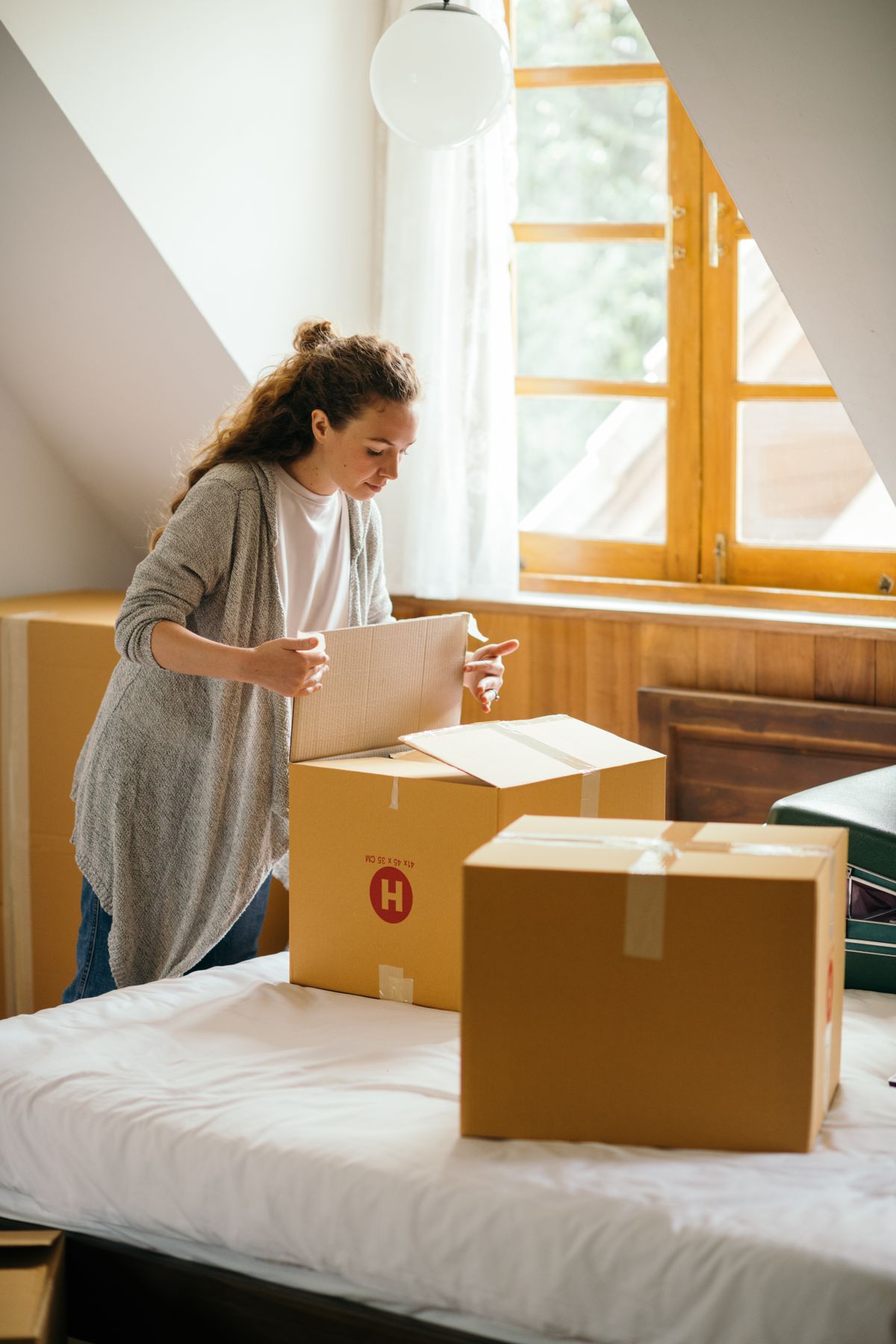
Avoid putting the full family document archive in a bag that is checked or shipped. Decide where originals travel and check them when changing accommodation. A simple habit of returning the wallet to the same secure place reduces the number of locations to search.
Send only what a recipient has requested through a channel you have verified. Before attaching a file, check the name, person and version. This last pause is often more useful than making the folder structure more elaborate.