Choose a decision, not a whole move
“We need to talk about the move” can become an hour of unrelated questions. A more manageable invitation is “After lunch, let's decide what goes in the first-night bags.” That tells children and adults why they are gathering and gives the conversation an end point.
Bring only the information needed for that choice. If you are deciding which belongings travel with the family, know the available bag space. If you are discussing goodbyes, bring the actual remaining dates. Avoid asking people to solve a problem whose limits are still hidden.
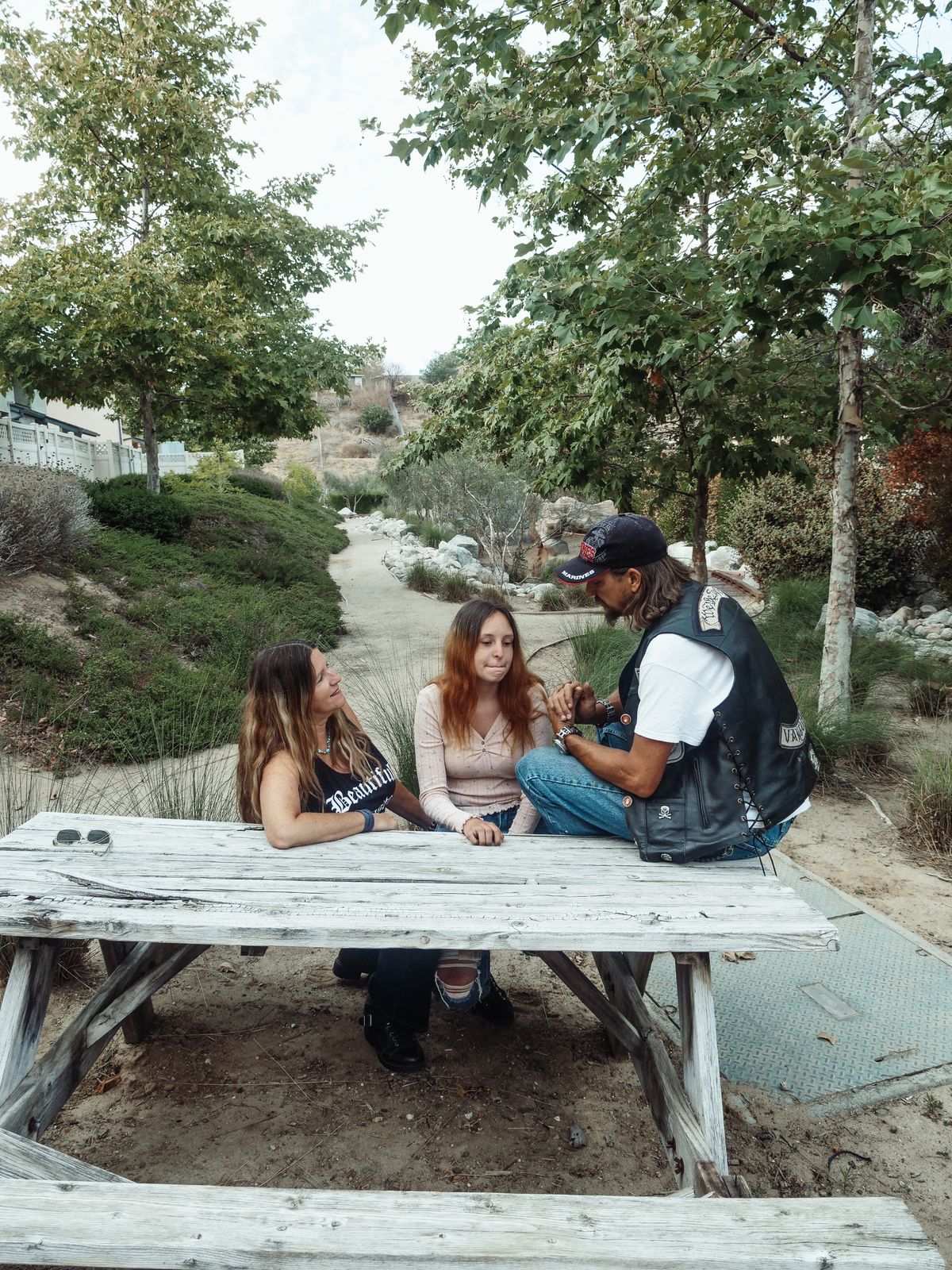
A family meeting need not mean everyone sitting formally around a table. A few minutes while sharing a snack may work better, provided the adults are listening and the discussion is not competing with another task. Younger children can join for the part that concerns them and leave before the administrative detail begins.
Make the choices real
Offer options you are prepared to accept. Asking which three toys a child wants in a bag is a choice. Asking which toys they want, then rejecting each answer because the bag is already full, is not. Show the container or space limit before asking.
Let family members explain what matters about an item or plan. A game may matter because a grandparent taught it, rather than because it is played often. Understanding the reason can reveal a compromise that a quick yes or no would miss.
When people disagree, separate their needs from the proposed solution. One person may want a large farewell gathering because several visits feel tiring; another may prefer seeing friends individually. The eventual arrangement can acknowledge both without giving everyone their first choice.
Close with a small record
Before the conversation drifts, repeat the decisions in plain language. “The books go in the suitcase. The big game goes in the shipment. We will ask about Friday after school.” Assign the adult follow-up work to a named person, with a date if another decision depends on it.
Keep unresolved questions separate from decisions. Otherwise a suggestion can become a supposed agreement by the next morning. A note on paper or in a shared message is sufficient; minutes and elaborate systems are unnecessary.
End when the intended choices are made. Leaving while people still have attention makes the next family conversation easier to begin.