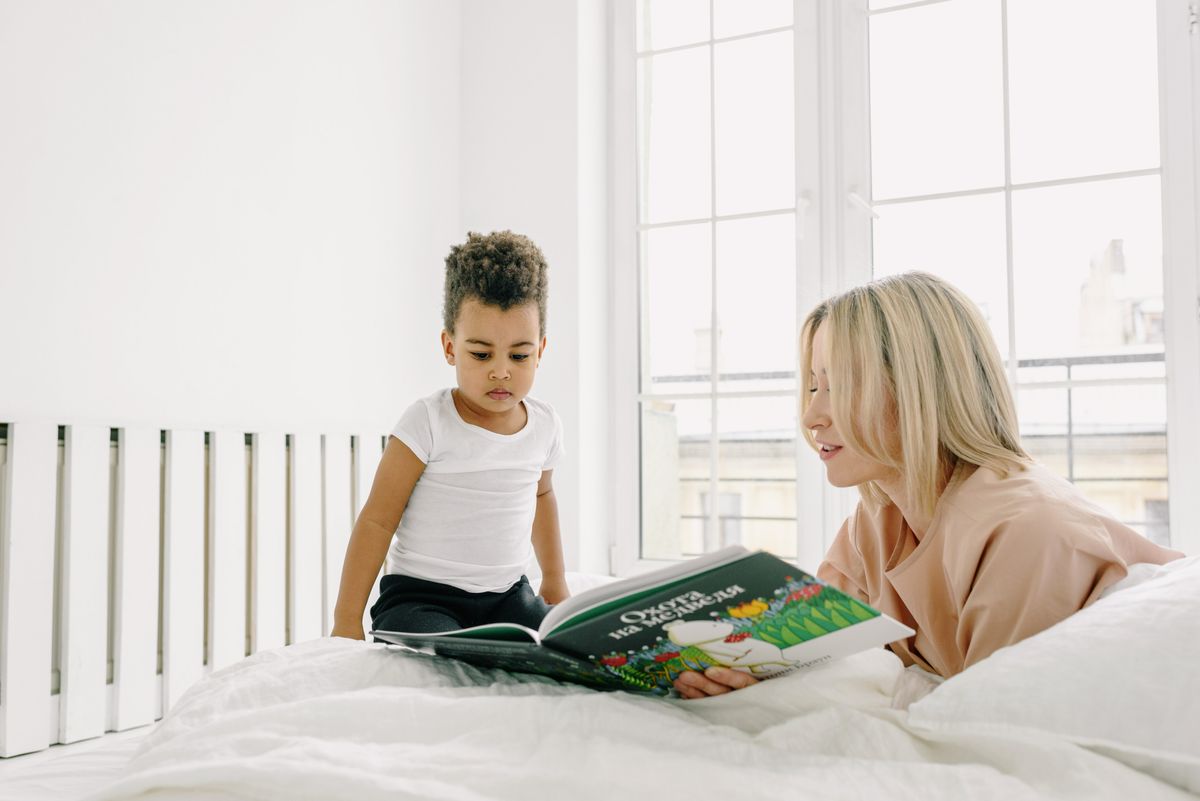
Tell the small sequence
“Moving abroad” is a large phrase for a child whose world is measured in familiar rooms and repeated days. Explain the sequence they will actually see: belongings go into boxes, the family travels, then sleeps in another home. Name the people and important possessions that will go with them.
Keep the story short enough to repeat in the same basic form. “We will leave this flat, take the train and sleep at the new flat” may be more helpful than a detailed explanation of an adult's work. If there will be a hotel before the permanent home, include it rather than presenting a confusing extra stop as a surprise.
Avoid using a precise countdown until the date is reasonably firm. When it is, connect it to events the child recognises, such as the last nursery day or a visit from a relative. If plans change, explain the change in the same direct language.
Show the real things you can
Photographs of the actual doorway, sleeping space or nearby playground make the account less abstract. Label them honestly. A picture of a possible home is different from a photograph of the home the family has confirmed.
A simple homemade picture story can include the current home, the journey and the first few activities after arrival. The drawings do not need to be polished. Let the child add a toy or person they want included, and notice the questions that come with the drawing.
Playing with boxes or toy vehicles can also produce questions. Follow the child's interest without making every play session a lesson about moving. Some days they may want to build a tower and leave the subject there.
Answer the same question again
A repeated question may be a request to hear the familiar answer, not evidence that the explanation was unsuccessful. Reply calmly and keep the core facts consistent. “Yes, your bear comes in your bag” is a complete answer when that is what the child wants to know.
Do not promise that nothing will change. Explain the changes that affect the child while naming routines you expect to keep, such as a bedtime book. After arrival, point out those familiar moments when they happen. The moving story gradually becomes something the child has experienced, rather than something they have only been told.